





What's Happening?
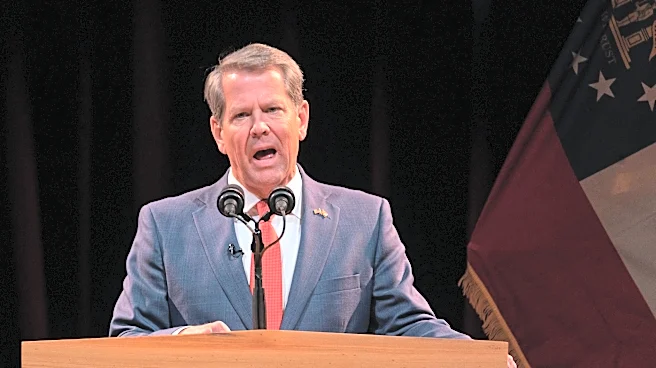
Georgia Governor Brian P. Kemp has announced 182 appointments and reappointments to various state boards, authorities, and commissions. These appointments cover a wide range of sectors, including water planning councils, professional standards commissions,
economic development boards, and public telecommunications. Notable reappointments include Alicia Register as Chairman of the Georgia Trauma Care Network Commission, and several individuals to regional water planning councils such as the Upper Oconee, Altamaha, Coastal Georgia, Coosa-North Georgia, Savannah-Upper Ogeechee, Middle Ocmulgee, Upper Flint, Middle Chattahoochee, Lower Flint-Ochlockonee, and Suwannee-Satilla. The appointees bring diverse professional backgrounds, from forestry and civil engineering to education, healthcare, and business management. For instance, Alex Singleton, Fiber Supply Manager at International Paper, was reappointed to the Coosa-North Georgia Regional Water Planning Council, and Richard Hamilton, Engineering Business Unit Manager at Global Cellulose Fibers, was reappointed to the Coastal Georgia Regional Water Planning Council. These individuals will contribute their expertise to the governance and strategic direction of various state entities.
Why It's Important?
These appointments by Governor Kemp are crucial for the continued functioning and strategic direction of Georgia's state government and its various sectors. The individuals selected will influence policy, resource management, and public services across the state. For example, reappointments to the numerous regional water planning councils are vital for managing Georgia's water resources, which is a critical issue for both urban development and agricultural industries. The expertise of individuals like Alex Singleton in forestry and natural resource management, and Richard Hamilton in environmental management, will directly impact the sustainability and efficiency of these resources. Appointments to boards like the Board of Economic Development and the Georgia Public Telecommunications Commission will shape the state's economic growth strategies and public communication infrastructure. The diverse professional backgrounds of the appointees ensure a broad range of perspectives in decision-making, affecting everything from healthcare and education to infrastructure and environmental protection. These roles are instrumental in addressing the state's challenges and opportunities, impacting residents, businesses, and the overall quality of life in Georgia.
What's Next?
The newly appointed and reappointed individuals will assume their roles on the respective boards, authorities, and commissions, beginning their work to address the specific mandates of each entity. Their immediate tasks will likely involve reviewing current policies, participating in strategic planning sessions, and overseeing ongoing projects. For the regional water planning councils, this could mean continued efforts in water resource allocation, conservation, and infrastructure development. Boards related to economic development will focus on attracting investment and fostering business growth within the state. The impact of these appointments will unfold over their terms, influencing long-term state initiatives and public services. Stakeholders, including local communities, businesses, and advocacy groups, will monitor the actions and decisions of these boards, as their work directly affects various aspects of life and commerce in Georgia. The appointments signify a continuation of Governor Kemp's administrative priorities and his vision for the state's future governance.
Beyond the Headlines
The extensive list of appointments and reappointments highlights the intricate web of governance that underpins a state's operations. Beyond the immediate policy implications, these selections reflect the state's reliance on a blend of public service, private sector expertise, and academic knowledge to manage its complex challenges. The inclusion of individuals with backgrounds in environmental engineering, forestry, and water management underscores the growing importance of sustainable resource management in Georgia. Similarly, the presence of leaders from various industries, such as manufacturing, agriculture, and technology, on economic development and other boards, indicates a strategic effort to diversify and strengthen the state's economy. These appointments also serve as a mechanism for civic engagement, drawing experienced professionals into public service roles. The sheer volume of appointments suggests a continuous process of refreshing and reinforcing the state's administrative and advisory bodies, ensuring a broad representation of skills and perspectives in shaping Georgia's future.