





What's Happening?
Prime Minister Narendra Modi has called on Indian citizens to adopt measures to conserve energy and foreign exchange in response to the global energy crisis triggered by the war on Iran. Modi's recommendations include working from home, avoiding international
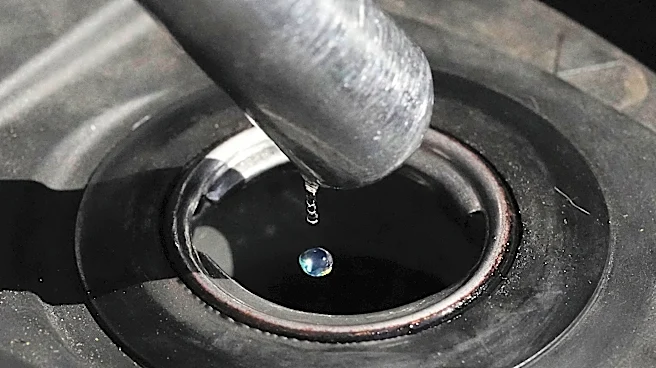
travel, and reducing gold purchases. The conflict has led to a significant increase in oil prices, impacting India's foreign exchange reserves and economic stability. Modi's appeal is aimed at mitigating the economic fallout from the conflict, which has disrupted global oil and gas supplies and increased costs for essential imports.
Why It's Important?
The conflict in Iran has far-reaching economic consequences, particularly for countries like India that are heavily dependent on oil imports. The rise in oil prices has strained India's foreign exchange reserves, prompting the government to consider measures to reduce non-essential imports and conserve resources. Modi's call for conservation reflects the broader challenges faced by economies reliant on imported energy and highlights the interconnectedness of global markets. The situation underscores the need for strategic planning and resource management in times of geopolitical instability.
What's Next?
India may continue to implement measures to conserve foreign exchange and manage the economic impact of the conflict. The government will likely monitor the situation closely and adjust its policies as needed to stabilize the economy. Citizens and businesses may need to adapt to new economic realities, including potential changes in import tariffs and other regulatory measures. The international community will also be watching closely to see how the conflict and its economic repercussions unfold.