



What's Happening?
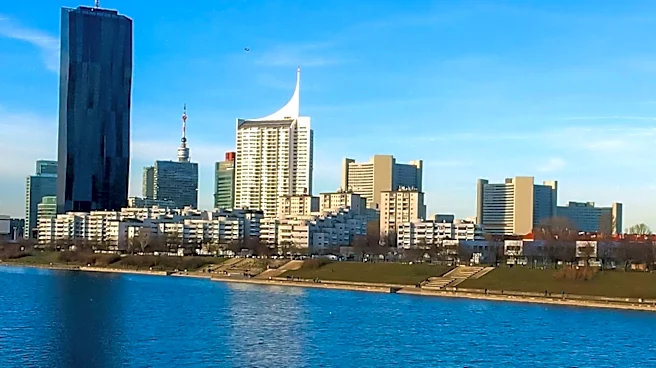
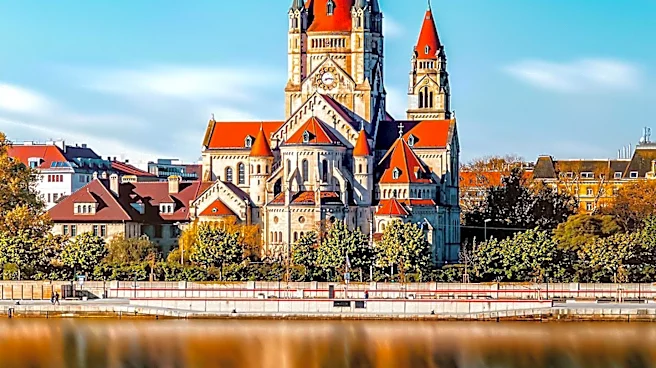
Europe's major rivers, including the Danube, Rhine, and Loire, are experiencing significant reductions in water levels due to prolonged heat and drought conditions. This situation is impacting electricity production, shipping, and agriculture across the continent.
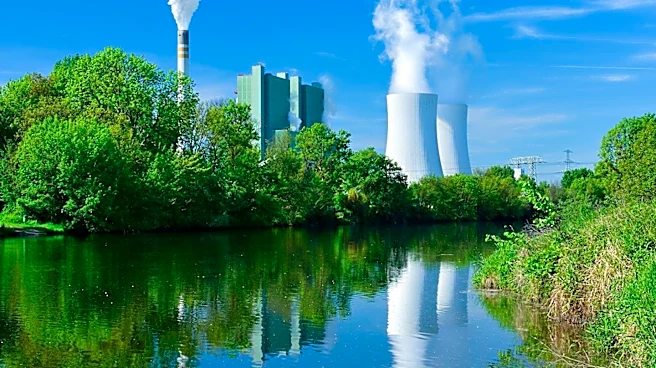
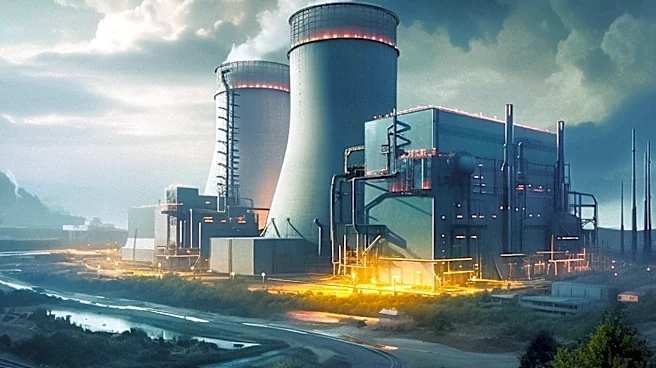
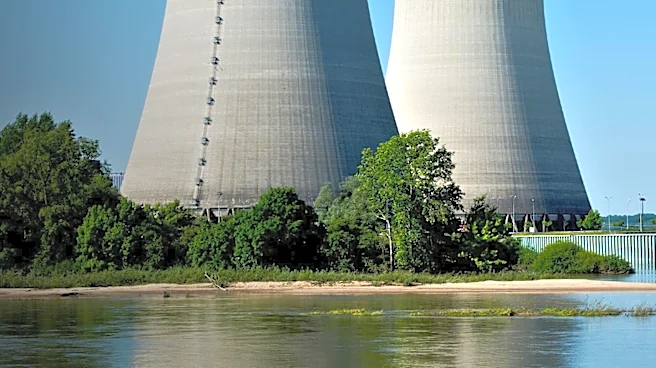
Austrian utility Verbund and French state-owned EDF have reported substantial earnings reductions due to decreased hydropower generation. In Italy, the Po River basin is facing high water scarcity, affecting rice farming and drinking water supplies. The Danube's low water levels have forced Hungary's Paks nuclear power plant to reduce output, and Romania has shut down reactors at its Cernavoda nuclear power plant. These disruptions are causing countries like Hungary and Serbia to import electricity, which is becoming more expensive due to high demand during heatwaves.
Why It's Important?
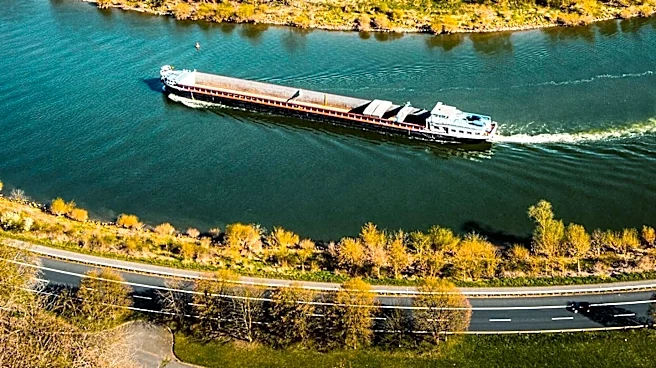
The shrinking water levels in Europe's rivers highlight the vulnerability of critical infrastructure to climate change. The reduction in hydropower and nuclear power generation is leading to increased electricity costs and potential shortages, affecting both consumers and industries. The transport sector is also impacted, as low water levels hinder the movement of goods, leading to delays and increased costs. This situation underscores the need for European countries to adapt their energy and transport systems to cope with changing environmental conditions. The economic impact is significant, with companies like Verbund and EDF facing reduced earnings, which could have broader implications for the European economy.
What's Next?
Countries affected by the reduced water levels are likely to continue importing electricity to meet demand, which could lead to higher energy prices. There may also be increased investment in alternative energy sources and infrastructure improvements to mitigate the impact of future droughts. Policymakers might focus on developing strategies to enhance water management and conservation efforts. Additionally, industries reliant on river transport may need to explore alternative logistics solutions to ensure the continuity of supply chains.
Beyond the Headlines
The current situation could accelerate discussions on climate change adaptation and resilience in Europe. The exposure of historical artifacts, such as World War II relics along the Danube, due to low water levels, also highlights the cultural implications of environmental changes. This event may prompt further research into the long-term impacts of climate change on historical sites and artifacts.