






What's Happening?
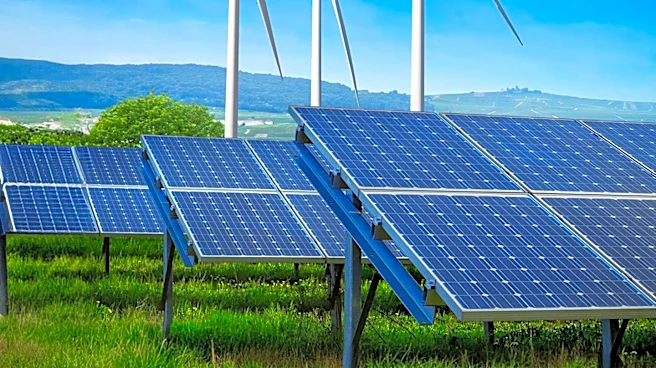
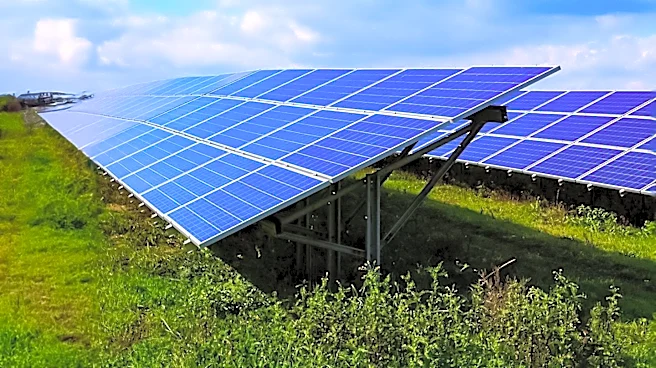
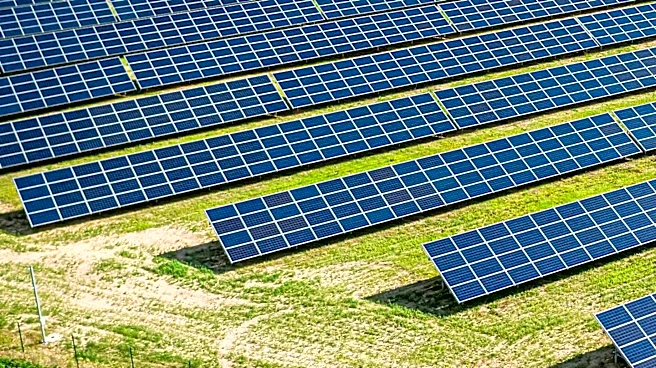
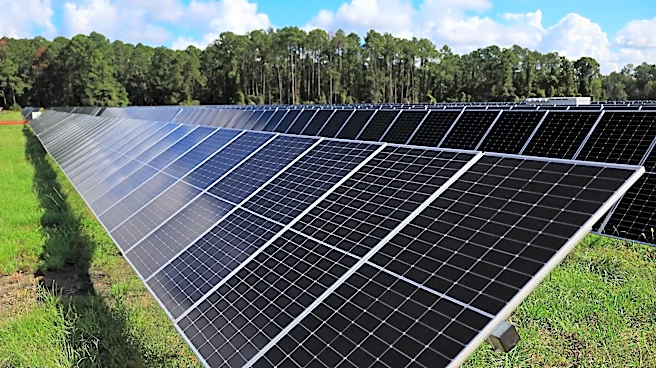
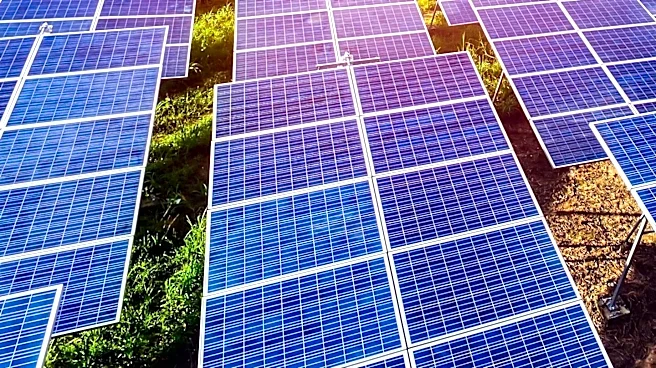
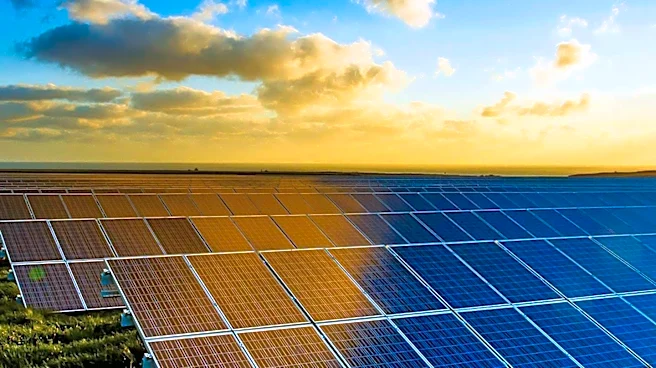
Effingham County is reviewing a proposal for the Effingham Burns Solar Farm, a 150-acre solar facility planned near Highway 119 and Little McCall Road in Guyton. Developed by Georgia-based Inman Solar, the project aims to generate up to 27 megawatts of
electricity, sufficient to power approximately 4,725 homes, and connect to Georgia Power’s existing grid. While developers project significant tax revenue for the county—an estimated $136,000 annually over 30 years, including $1.2 million in the first five years—some local residents express concerns about the potential impact on the area's rural character. Georgia Power has stated that this proposed solar farm is not currently part of its Power Purchase Agreements portfolio, though it regularly procures renewable energy from third-party developers.
Why It's Important?
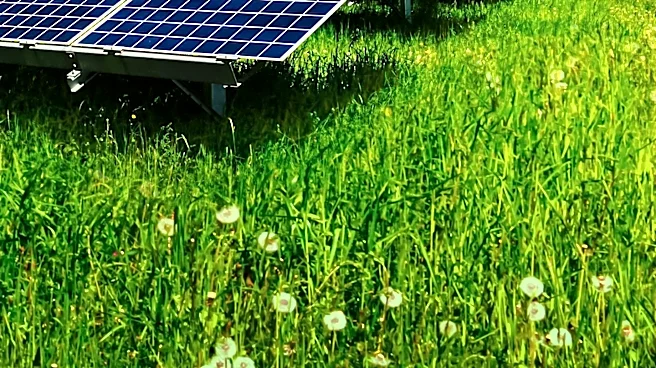
This proposed solar farm represents a common dilemma faced by communities across the U.S. as the nation transitions to renewable energy. While offering substantial benefits like increased clean energy production and significant local tax revenue, such projects often encounter resistance from residents concerned about changes to their landscape and rural aesthetics. The debate highlights the tension between environmental sustainability goals and local community preservation. The project's potential to generate electricity for thousands of homes contributes to energy independence and reduces reliance on fossil fuels, aligning with broader national energy policies. However, the lack of clarity on whether the project will reduce customer electricity bills is a critical point for residents, as high utility costs are a significant concern.
What's Next?
The proposal for the Effingham Burns Solar Farm is expected to go before the Effingham County Board of Commissioners for approval. If approved, construction could commence as early as 2027. The decision will likely involve balancing the economic and environmental benefits presented by Inman Solar against the concerns raised by local residents regarding visual impact and the preservation of rural character. The outcome could set a precedent for future large-scale renewable energy projects in similar rural communities, influencing how such developments are integrated into existing landscapes and how community concerns are addressed. Further discussions will likely focus on mitigation strategies for visual impact and potential benefits for local utility customers.
Beyond the Headlines
The Effingham Burns Solar Farm project touches upon broader themes of land use, economic development, and environmental stewardship in rural America. As renewable energy infrastructure expands, communities grapple with questions of how to best utilize land, especially agricultural or undeveloped areas, for energy production. This project underscores the need for comprehensive community engagement and transparent communication from developers regarding both the benefits and potential drawbacks of such installations. The long-term implications include not only the direct environmental benefits of clean energy but also the socio-economic transformation of rural areas, which must navigate the balance between preserving their unique character and embracing new industries. The project's success or failure could influence future policy decisions regarding renewable energy siting and community compensation.