





What's Happening?
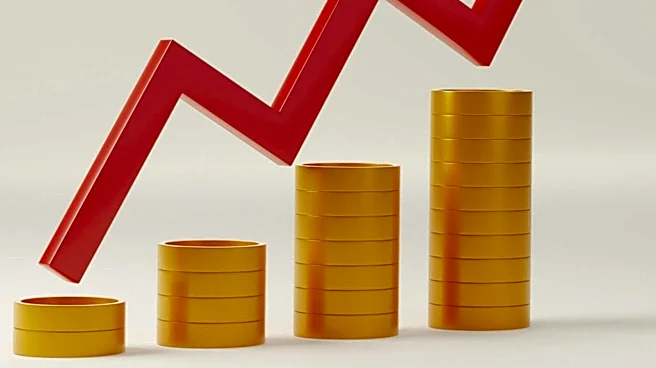
International Monetary Fund (IMF) Country Director Mahir Binici announced that Pakistan's economic growth rate is increasing from 2% to 3.5%. Speaking at a conference organized by the Sustainable Development Policy Institute (SDPI) in Islamabad, Binici characterized
this development as significant, indicating that Pakistan has transitioned from an economic crisis to a period of stability. He highlighted the ongoing implementation of economic reforms and the importance of sustaining this growth momentum. Binici also mentioned discussions with Pakistani authorities aimed at boosting tax revenues and improving the tax-to-GDP ratio. Concurrently, Asian Development Bank (ADB) Country Director for Pakistan Dr. Emma Xiaoqing Fan emphasized the necessity of providing greater growth opportunities for the private sector and reducing industrial costs to enhance exports. She also pointed out that over half of Pakistan's female population is not contributing to economic development and advocated for increased opportunities in skills training for women.
Why It's Important?
The reported increase in Pakistan's economic growth rate and its shift from crisis to stability, as noted by the IMF, signals a potentially more stable global economic environment, which can indirectly benefit U.S. economic interests through improved international trade and investment flows. A stronger Pakistani economy could lead to increased demand for U.S. goods and services, fostering greater bilateral trade. The emphasis on increasing exports and strengthening the private sector, as highlighted by both the IMF and ADB, suggests a move towards a more market-oriented economy, which aligns with U.S. economic principles and could create new avenues for U.S. businesses. Furthermore, efforts to improve tax collection and infrastructure development could lead to a more robust and predictable economic partner for the U.S. The focus on empowering women in the economy also resonates with U.S. foreign policy objectives that promote inclusive growth and gender equality.
What's Next?
Pakistan is expected to continue implementing economic reforms and efforts to increase tax collection and improve its tax-to-GDP ratio. The IMF has indicated its long-term commitment to working with Pakistan to achieve economic stability, suggesting ongoing collaboration and potential future financial support or policy guidance. There will likely be continued focus on boosting exports, which may involve further policy adjustments to reduce industrial costs and enhance the competitiveness of Pakistani goods in international markets. The call for greater private sector involvement and increased access to loans for entrepreneurs, particularly women, suggests upcoming initiatives aimed at fostering business growth and job creation. These developments could lead to a more dynamic and integrated Pakistani economy, potentially opening new opportunities for international partnerships and investments.
Beyond the Headlines
The economic progress in Pakistan, particularly the focus on increasing exports and empowering the private sector, has broader implications for regional stability and global economic interconnectedness. A stable and growing Pakistani economy can act as a bulwark against extremism and provide a more secure environment for foreign investment. The emphasis on integrating women into the economic development process addresses a significant societal challenge and could unlock substantial untapped potential, leading to more equitable growth and social advancement. This shift towards economic stability and inclusive growth could also influence regional trade dynamics and potentially reduce reliance on external aid in the long run, fostering greater self-sufficiency. The IMF's continued engagement underscores the importance of international financial institutions in guiding developing economies through periods of reform and growth.