





What's Happening?
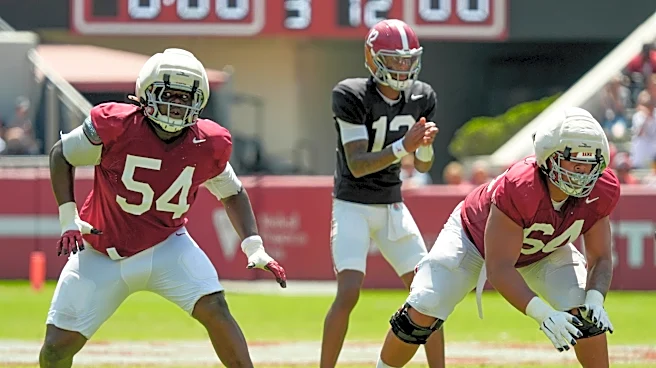
Luther Davis, a former defensive lineman for Alabama, has been charged with orchestrating a scheme to impersonate NFL players to secure fraudulent loans totaling nearly $20 million. According to reports, Davis, along with his partner CJ Evins, used disguises
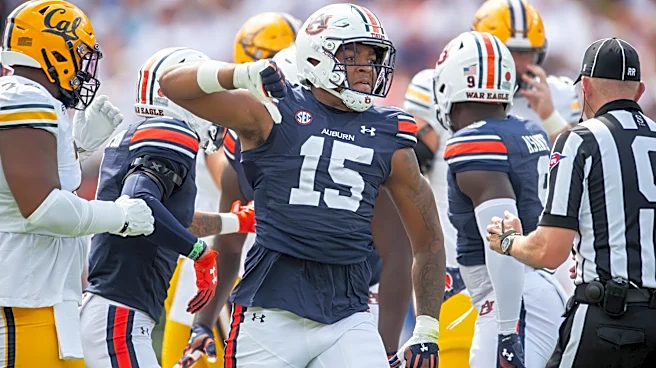
and fake identification to impersonate players such as Cleveland Browns' David Njoku and Falcons quarterback Michael Penix Jr. The scheme involved obtaining at least 13 loans over a 17-month period starting in May 2023. Davis and Evins allegedly fabricated financial documents and used fake emails to deceive lenders. The players whose identities were used were reportedly unaware of the scheme. Davis is set to plead guilty to charges of conspiracy to commit wire fraud and aggravated identity theft.
Why It's Important?
This case highlights significant vulnerabilities in financial systems, particularly concerning identity verification processes. The ability of Davis and his partner to secure such large sums through impersonation raises questions about the effectiveness of current safeguards against fraud. The incident could lead to increased scrutiny and potential regulatory changes in how financial institutions verify identities and approve loans. For the NFL and its players, this case underscores the importance of protecting personal information and the potential reputational damage that can occur from such schemes. The broader implications may include a push for more robust security measures across industries to prevent similar fraudulent activities.
What's Next?
As Davis and Evins prepare to plead guilty, the legal proceedings will likely focus on the extent of the fraud and the recovery of the funds. Financial institutions involved may conduct internal reviews to strengthen their fraud detection systems. The case could also prompt discussions within the NFL and other sports organizations about additional measures to protect players' identities. Stakeholders in the financial sector may advocate for policy changes to enhance security protocols and prevent future impersonation schemes.