


What's Happening?
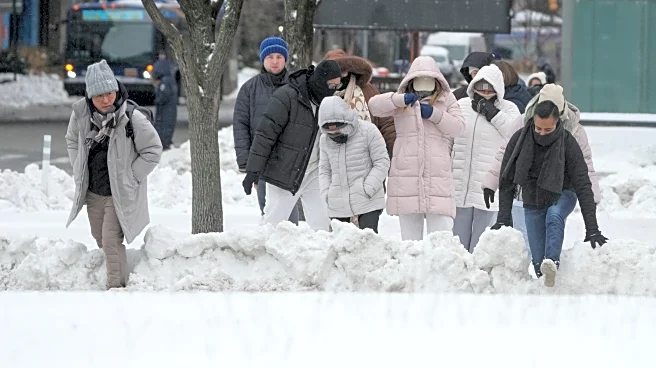
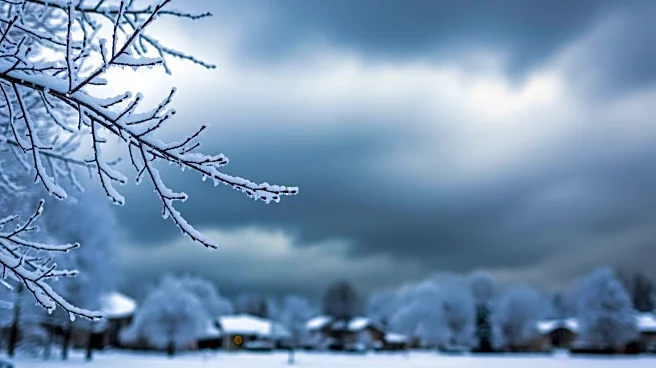
A powerful nor'easter is impacting the Northeast United States, bringing whiteout conditions, heavy winds, and power outages across states from Delaware to Massachusetts. The National Weather Service has reported that snow could fall at a rate of 2-3
inches per hour throughout the Mid-Atlantic and New England regions. In response, officials in New York, New Jersey, Massachusetts, and Delaware have declared states of emergency to mobilize additional resources. Some areas have also enacted travel bans during the peak of the blizzard to ensure public safety. The storm is expected to continue throughout the day, causing significant disruptions to daily life and transportation.
Why It's Important?
The declaration of a state of emergency allows state governments to allocate resources more effectively and respond swiftly to the challenges posed by the severe weather. This includes deploying emergency services, clearing roads, and ensuring the safety of residents. The travel bans and emergency measures are crucial in preventing accidents and ensuring that emergency services can operate without hindrance. The storm's impact on transportation and power supply could have significant economic repercussions, affecting businesses and daily activities across the region. The situation underscores the importance of preparedness and effective response strategies in mitigating the effects of natural disasters.
What's Next?
As the storm progresses, state and local authorities will continue to monitor conditions and adjust their response strategies accordingly. Residents are advised to stay informed through official channels and adhere to safety guidelines, including staying indoors and avoiding non-essential travel. Utility companies are likely to work on restoring power to affected areas as quickly as possible. The aftermath of the storm will require coordinated efforts for cleanup and recovery, with potential federal assistance if the situation worsens. The experience may also prompt discussions on improving infrastructure resilience against future severe weather events.