



What's Happening?
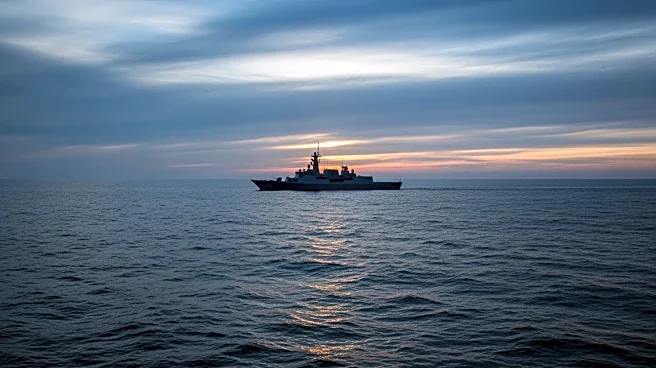
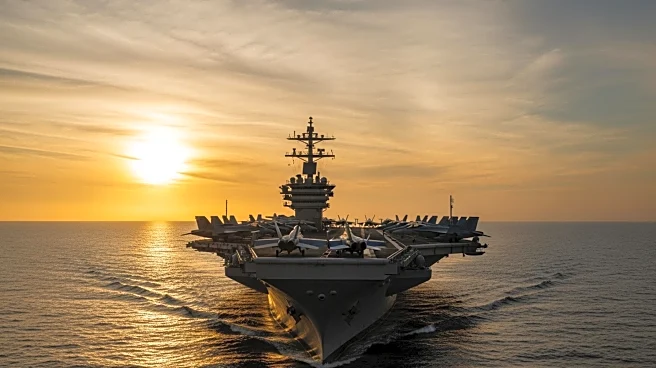
The United States is deploying a military aircraft carrier strike group to the Middle East as tensions with Iran continue to rise. This deployment includes the USS Abraham Lincoln, several destroyers, and fighter aircraft, moving from the Asia-Pacific
region. The move comes in response to Iran's recent crackdown on protests and the potential resumption of its nuclear program. President Trump has expressed a desire to avoid further military action but has stated that the U.S. will act if Iran resumes its nuclear activities. The deployment is seen as a defensive measure, with additional air defense systems being considered for the region.
Why It's Important?
The deployment of U.S. military assets to the Middle East underscores the heightened tensions between the U.S. and Iran, particularly concerning Iran's nuclear ambitions and its domestic unrest. This move serves as a deterrent against potential Iranian aggression and signals the U.S.'s readiness to protect its interests and allies in the region. The presence of U.S. military forces could stabilize the situation temporarily but also risks escalating the conflict if not managed carefully. The international community is closely watching these developments, as they could impact global security and economic stability, particularly in the energy sector.
What's Next?
The situation remains fluid, with potential for further diplomatic and military developments. The U.S. may engage in diplomatic efforts to de-escalate tensions while maintaining a strong military presence as a deterrent. Iran's response to the U.S. deployment will be critical in determining the next steps, as any aggressive actions could lead to a military confrontation. The international community, including the United Nations and regional powers, may seek to mediate and prevent further escalation. The outcome of these tensions could have significant implications for U.S. foreign policy and regional stability.