





What's Happening?
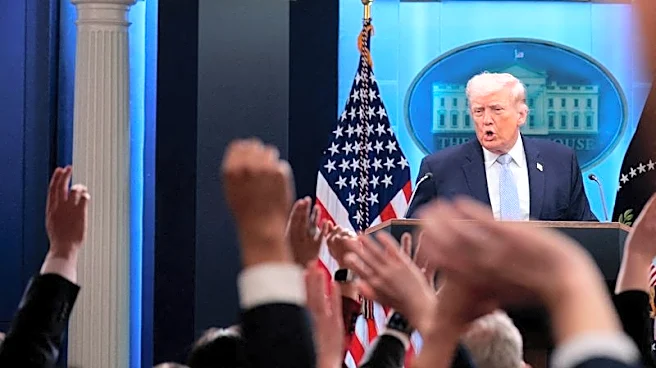
President Trump has announced a new policy imposing a 50% tariff on all goods imported from countries that supply military weapons to Iran. This decision follows a recent ceasefire agreement between the U.S. and Iran. The tariffs are set to be applied
immediately, with no exclusions or exemptions, as stated by President Trump in a Truth Social post. This move is part of a broader strategy to exert economic pressure on nations involved in arms dealings with Iran. The announcement comes after the Supreme Court ruled against Trump's previous global tariffs, prompting the administration to explore alternative trade measures.
Why It's Important?
The imposition of these tariffs could significantly impact international trade relations, particularly with countries involved in arms sales to Iran. By targeting these nations, the U.S. aims to curb Iran's military capabilities and influence in the region. This policy could lead to increased tensions with affected countries, potentially disrupting global supply chains and affecting U.S. imports. Domestically, industries reliant on imports from these nations may face higher costs, which could be passed on to consumers. The move also underscores the administration's commitment to using economic tools to achieve foreign policy objectives.
What's Next?
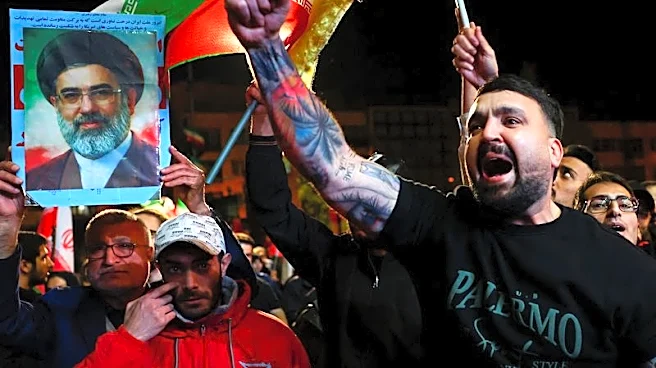
The U.S. and Iran are expected to engage in further discussions regarding tariffs and sanctions relief as part of the ongoing peace process. The effectiveness of these tariffs in achieving the desired diplomatic outcomes remains to be seen. Additionally, the international community will be closely monitoring the situation, as affected countries may seek to negotiate exemptions or retaliate with their own trade measures. The broader implications for U.S. foreign policy and international trade dynamics will depend on the responses from both allies and adversaries.