
What's Happening?
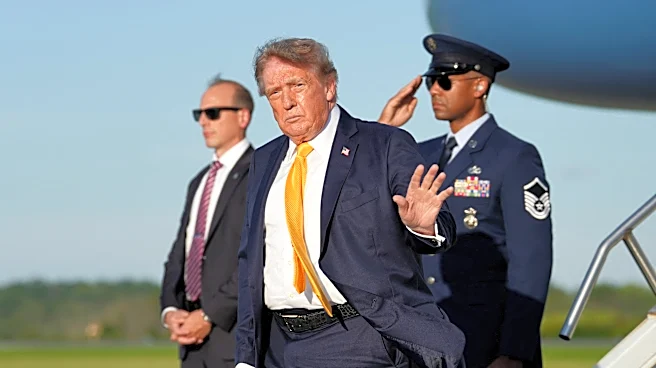
The Democratic Congressional Campaign Committee (DCCC) has issued a statement criticizing Representative Mike Lawler for allegedly prioritizing President Trump over the needs of his Hudson Valley constituents.
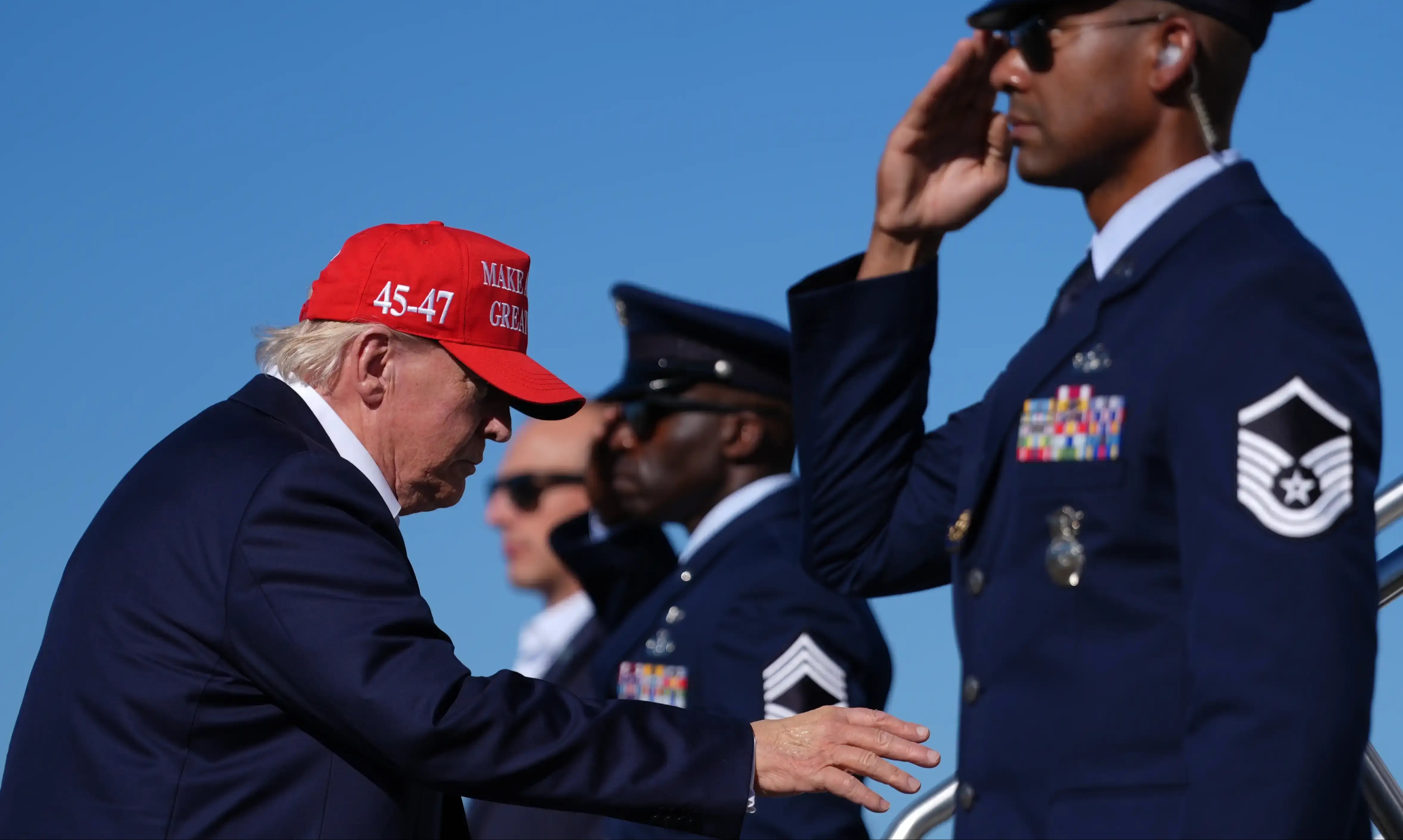
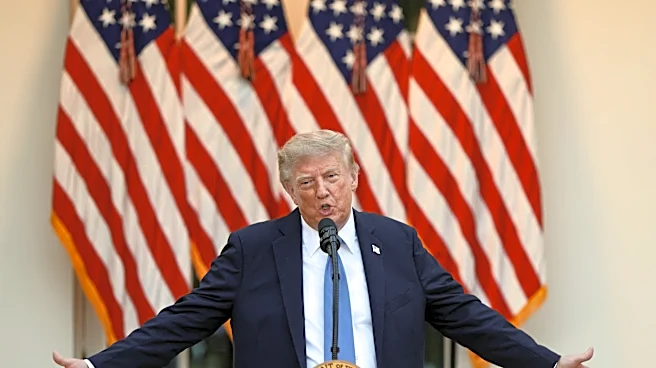
The DCCC claims that Lawler is 'jetting off to Dallas, Texas to kiss the ring of Donald Trump' to campaign with him, instead of addressing local issues such as high gas prices, soaring healthcare premiums, and the costs associated with an overseas war. The statement highlights Lawler's previous campaign appearance with President Trump in May, where Lawler reportedly 'bragged about their strong alliance' and declared himself 'proud to be here today for President Donald Trump,' to which President Trump responded by calling him 'fantastic.' The DCCC asserts that Lawler has voted with President Trump '100% of the time' and suggests he may be 'auditioning for a job with Trump.'
Why It's Important?
This criticism from the DCCC is a common tactic in political campaigning, aiming to draw a clear distinction between a candidate's loyalty to their party leader and their commitment to local constituents. For Representative Lawler, these accusations could impact his public image and voter perception, particularly in a competitive district. The DCCC's narrative attempts to portray Lawler as out of touch with the everyday economic struggles of the Hudson Valley, such as high gas and healthcare costs. This is significant because voter sentiment on economic issues often plays a crucial role in election outcomes. By linking Lawler directly to President Trump's policies and perceived priorities, the DCCC seeks to mobilize opposition and frame the upcoming election as a choice between local representation and national party allegiance.
What's Next?
As the election cycle progresses, it is highly probable that these criticisms will be amplified by Lawler's political opponents and their supporting organizations. Representative Lawler will likely need to respond to these accusations, either by defending his voting record, emphasizing his local achievements, or clarifying his priorities. The DCCC's statement suggests that the 'loyalty to Trump' narrative will be a central theme in campaigns against Lawler. Voters in the Hudson Valley will be presented with contrasting views on Lawler's effectiveness and dedication to their interests. This political maneuvering is typical in the lead-up to elections, with both sides attempting to define the narrative and sway public opinion.
Beyond the Headlines
This political attack delves into the broader dynamics of party loyalty versus constituent representation, a perennial tension in American politics. The DCCC's statement implies that a strong alignment with a national party figure, especially one as polarizing as President Trump, can come at the expense of addressing local needs. This raises questions about the independence of elected officials and the extent to which national party platforms dictate local legislative priorities. The DCCC's use of phrases like 'MAGA Lapdog' and 'tucks tail to Texas' also reflects the increasingly sharp and often personal nature of political rhetoric. This kind of messaging can contribute to political polarization, making it harder for voters to discern policy substance from campaign-driven narratives and potentially eroding trust in political institutions.