



What's Happening?
Indian Prime Minister Narendra Modi and U.S. President Donald Trump recently discussed the strategic importance of keeping the Strait of Hormuz open amid ongoing tensions in the Middle East. This conversation marks the first direct communication between
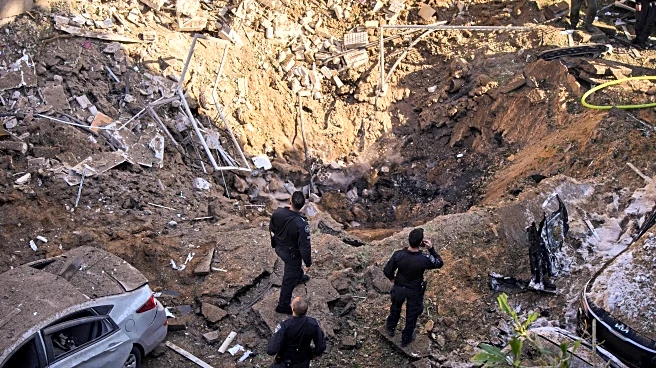
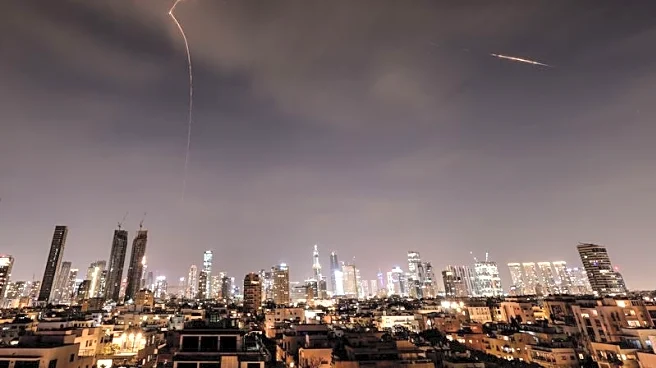
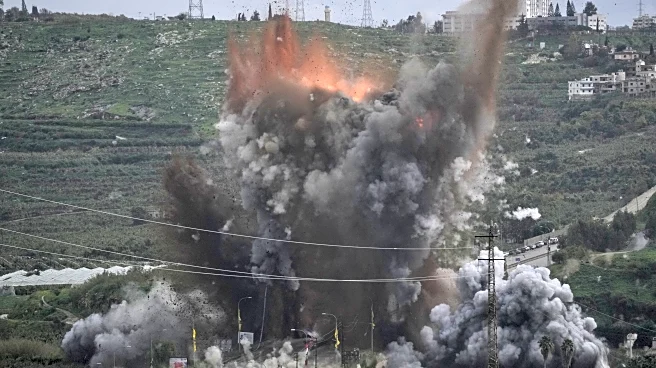
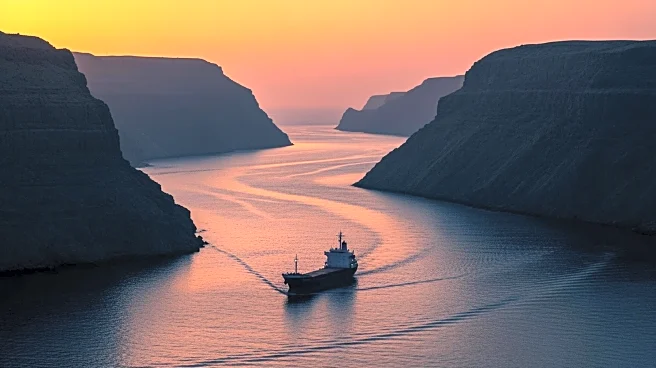
the two leaders since the U.S. and Israel launched coordinated attacks against Iran. The Strait of Hormuz is a critical maritime passage for global oil shipments, and its closure could significantly impact global energy supplies. Modi emphasized India's support for de-escalation and the restoration of peace, highlighting the strait's importance for India's crude oil imports.
Why It's Important?
The Strait of Hormuz is a vital conduit for global oil transportation, and its security is crucial for maintaining stable energy supplies worldwide. The recent conflict has disrupted various sectors, including air travel and shipping, underscoring the strait's strategic importance. For India, which relies heavily on oil imports passing through the strait, any disruption could have severe economic implications. The discussion between Modi and Trump reflects the broader geopolitical stakes involved, as both countries seek to ensure the stability of this critical maritime route.
What's Next?
The ongoing conflict in the Middle East and its impact on the Strait of Hormuz will likely remain a focal point for international diplomacy. The U.S. and India may continue to collaborate on strategies to ensure the strait remains open and secure. Future discussions could involve other regional stakeholders to address the broader implications of the conflict and explore potential resolutions. The situation may also prompt India to diversify its energy sources to mitigate risks associated with geopolitical tensions.