




What's Happening?
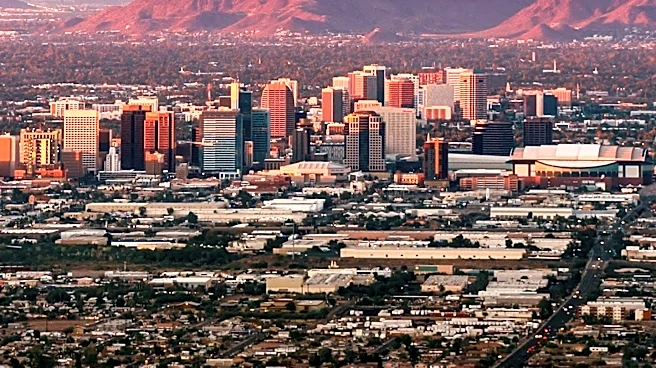
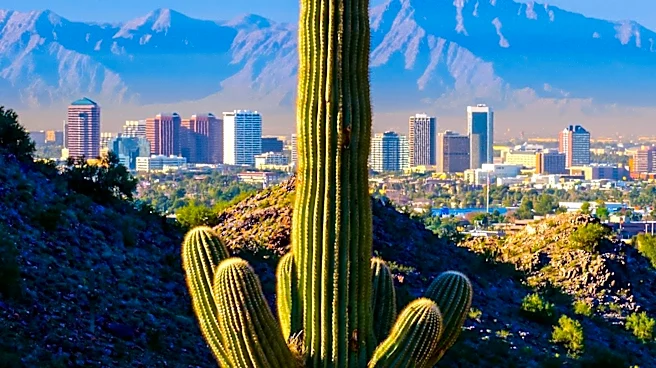
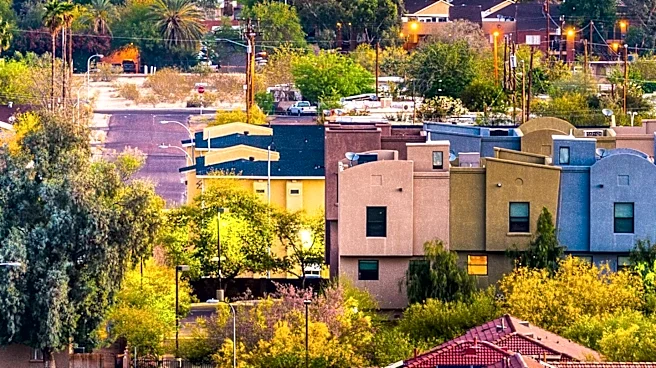
An extreme heat warning has been issued for Phoenix and much of central and southern Arizona, effective from Monday at 10 a.m. through Friday at 8 p.m. Forecasts predict temperatures reaching 112 degrees Fahrenheit on Monday and Tuesday in Phoenix, with
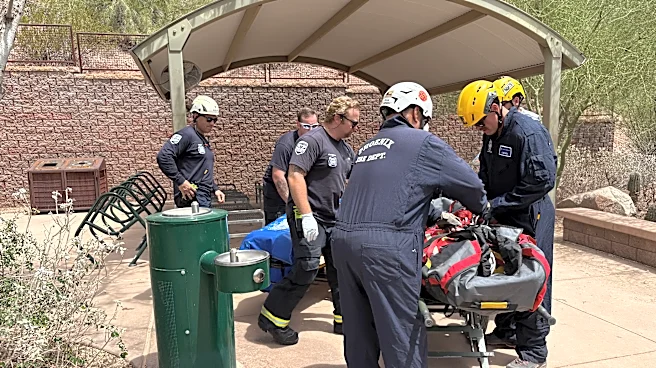
highs remaining around 110-111 degrees through the week. This heatwave is attributed to a strengthening ridge of high pressure over the region, leading to sunny skies and lowering humidity. While there's a low chance of passing winds or blowing dust, significant storm activity is expected to be limited to northern, eastern, and southeastern Arizona's higher elevations. The Glendale Fire Department and the Arizona Department of Health Services are advising residents to take precautions against heat-related illnesses such as heat cramps, heat exhaustion, and heat stroke.
Why It's Important?
Extreme heat warnings are critical public health advisories, especially in regions like Arizona where high temperatures can pose severe risks. This prolonged heatwave can lead to a significant increase in heat-related illnesses, straining emergency services and healthcare facilities. Vulnerable populations, including the elderly, children, and individuals with pre-existing health conditions, are particularly at risk. The economic impact can also be substantial, affecting outdoor workers, agricultural productivity, and energy consumption as demand for air conditioning surges. Public awareness and adherence to safety guidelines, such as staying hydrated and avoiding outdoor activities during peak heat, are crucial to mitigating adverse outcomes. The consistent messaging from local authorities like the Glendale Fire Department underscores the seriousness of the situation and the importance of community preparedness.
What's Next?
Residents in affected areas are advised to continue monitoring weather updates and adhere to safety guidelines throughout the week. The extreme heat warning is expected to remain in effect until Friday evening, with temperatures slightly moderating over the weekend. Emergency services and healthcare providers will likely remain on high alert to respond to heat-related incidents. Public health campaigns will continue to emphasize hydration, seeking shade, and checking on vulnerable neighbors. There is a slight chance of rain returning to Phoenix by Wednesday evening, with increased chances on Thursday, which could offer some relief from the dry heat. However, the immediate focus remains on managing the current extreme heat conditions and preventing heat-related emergencies.
Beyond the Headlines
The recurring issuance of extreme heat warnings in Arizona highlights the broader challenges posed by climate patterns and their impact on public health and infrastructure. Such events underscore the need for long-term strategies to adapt to hotter climates, including urban planning that incorporates heat mitigation measures, improved public cooling centers, and enhanced emergency response protocols. The strain on the power grid during peak demand for air conditioning also brings into focus the importance of energy infrastructure resilience and the transition to more sustainable energy sources. Furthermore, these heatwaves can exacerbate social inequalities, as access to air conditioning and safe, cool environments often varies significantly across socioeconomic groups. Addressing these deeper implications requires a comprehensive approach involving government, communities, and individuals.