
What's Happening?
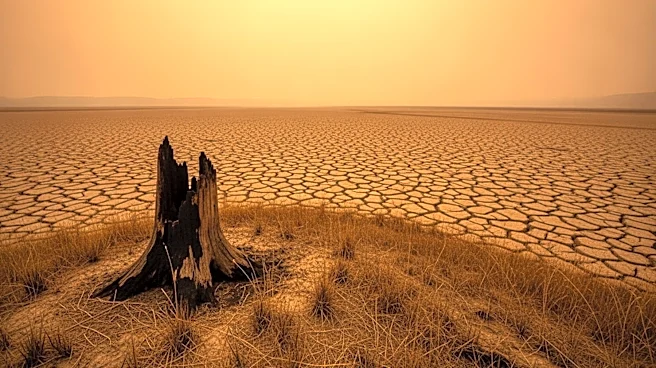
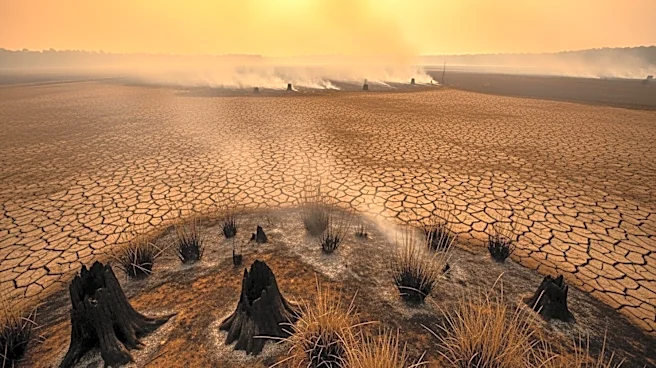
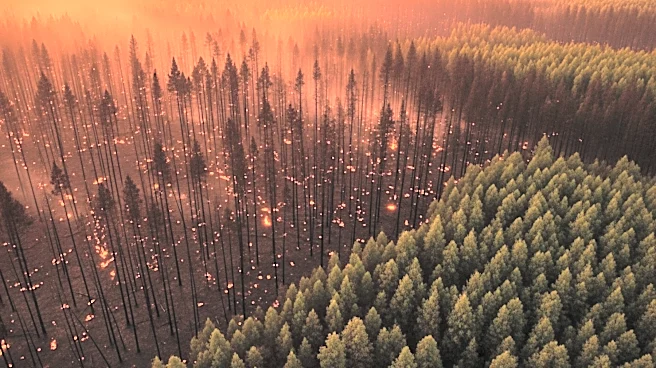
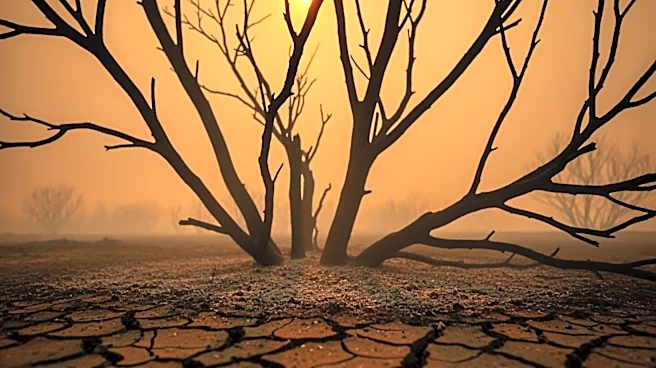
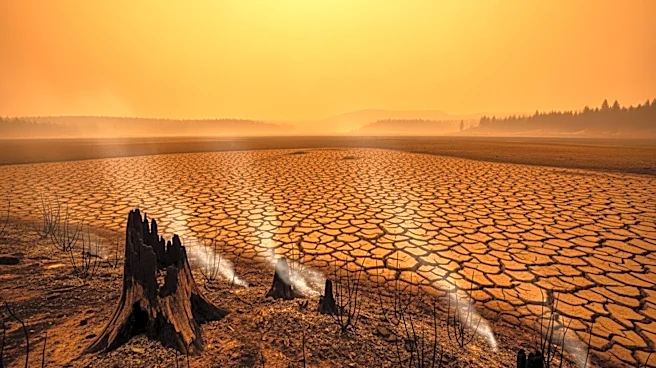
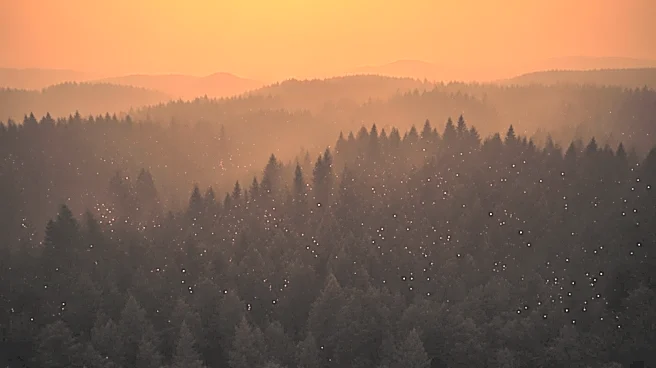
Wildfires fueled by extreme drought conditions have spread across Georgia and Florida, leading to significant destruction and emergency measures. The Pineland Road wildfire in Georgia has consumed over
31,000 acres and is only 10% contained, while the Highway 82 fire has burned 5,531 acres and destroyed 90 homes. In response, Georgia Governor Brian Kemp declared a state of emergency for 91 counties. Both states have implemented burn bans to prevent further spread, marking Georgia's first-ever burn ban. The National Weather Service reports 'extreme' and 'exceptional' drought conditions, exacerbating the situation.
Why It's Important?
The wildfires pose a severe threat to communities, infrastructure, and natural resources in Georgia and Florida. The declaration of a state of emergency and the implementation of burn bans highlight the urgency of the situation. These measures aim to prevent further destruction and protect residents. The fires' impact on property and the environment could have long-term economic and ecological consequences. The situation underscores the need for effective disaster management and preparedness strategies, as well as the importance of addressing climate-related challenges.
What's Next?
Authorities are likely to continue monitoring the wildfires closely, with efforts focused on containment and prevention of further spread. Residents in affected areas may face ongoing evacuations and disruptions. The state of emergency allows for the mobilization of additional resources and support to combat the fires. As the drought persists, long-term strategies may be needed to address water scarcity and fire prevention. The situation may prompt discussions on climate resilience and the need for sustainable land management practices.