





What's Happening?
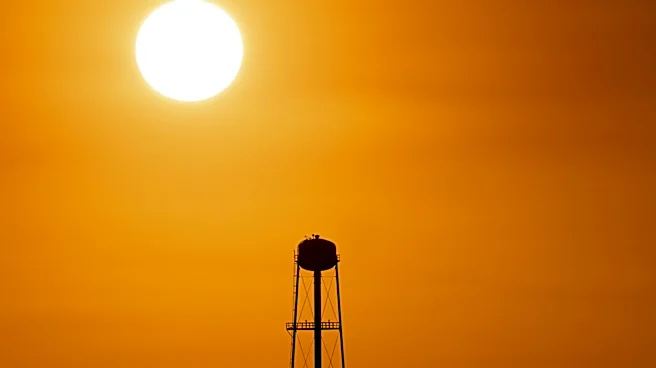
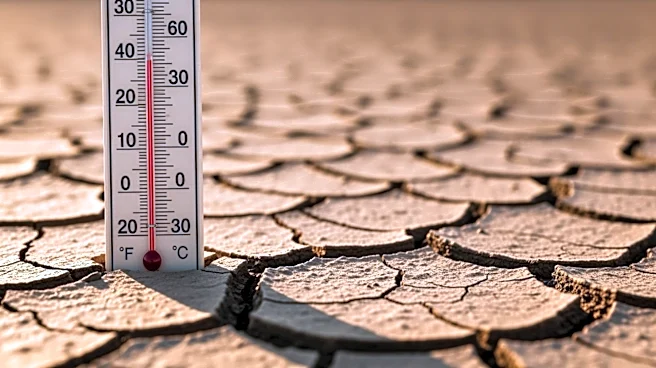
North Texas is experiencing a heatwave with temperatures soaring into the mid-90s, and heat indices expected to reach between 100°F and 105°F. The high humidity levels are contributing to the oppressive heat, making outdoor activities potentially hazardous.
Residents are advised to take precautions such as staying hydrated, avoiding prolonged sun exposure, and checking on vulnerable populations like the elderly and young children. This weather pattern is part of a broader trend of extreme summer temperatures affecting various parts of the United States.
Why It's Important?
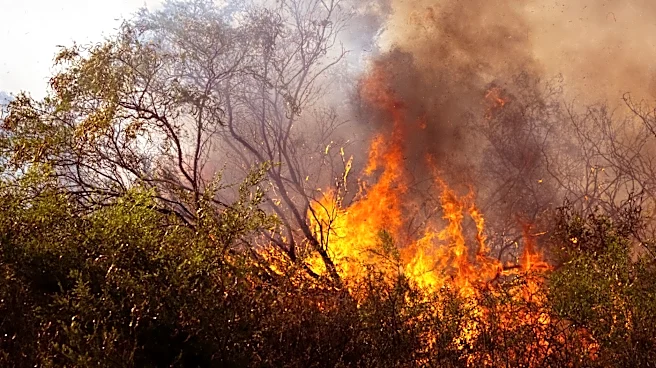
The extreme heat poses significant health risks, including heat exhaustion and heat stroke, particularly for those without access to air conditioning or adequate hydration. The situation highlights the growing challenges of climate change, as such heatwaves are becoming more frequent and intense. This can strain local resources, including emergency services and healthcare facilities, as they respond to heat-related illnesses. Additionally, the economic impact on sectors like agriculture and energy can be substantial, as high temperatures affect crop yields and increase electricity demand.
What's Next?
Meteorologists predict that the heatwave will persist, prompting local authorities to issue heat advisories and potentially open cooling centers for those in need. Residents are encouraged to monitor weather updates and follow safety guidelines. Long-term, this event may prompt discussions on infrastructure improvements and climate adaptation strategies to better handle extreme weather conditions. Policymakers might also consider measures to mitigate the effects of climate change to prevent future occurrences.