




What's Happening?
Colombia's Environment Ministry, on October 23, 2026, revoked a resolution that had designated the country's entire Amazon region as a permanent reserve. This previous resolution, signed by the outgoing government on August 4, 2026, just three days before
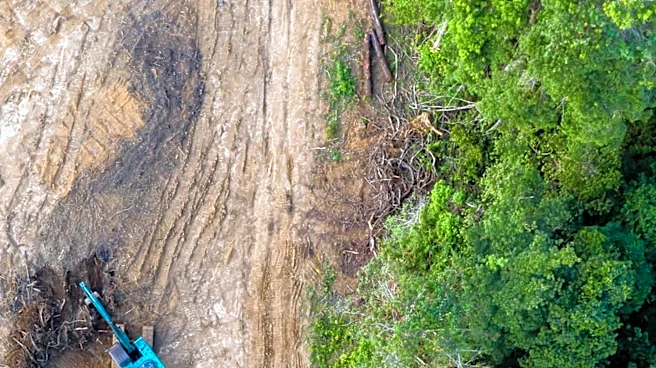
conservative President Abelardo de la Espriella took office, had prohibited new mining concessions, oil and gas contracts, and environmental licenses for such activities across approximately 186,600 square miles, or 42% of Colombia. The new environment minister, Fabio Arjona, stated that the ban was rushed and implemented without legally required consultations with Afro-Colombian communities, leading to economic uncertainty for local populations. Colombia's Amazon rainforest is a critical biodiversity hotspot, housing about 10% of the planet's known plant species. The region is already under significant environmental pressure, having lost around 295,000 acres of forest in 2025, with 65% of that loss occurring in the Amazon.
Why It's Important?
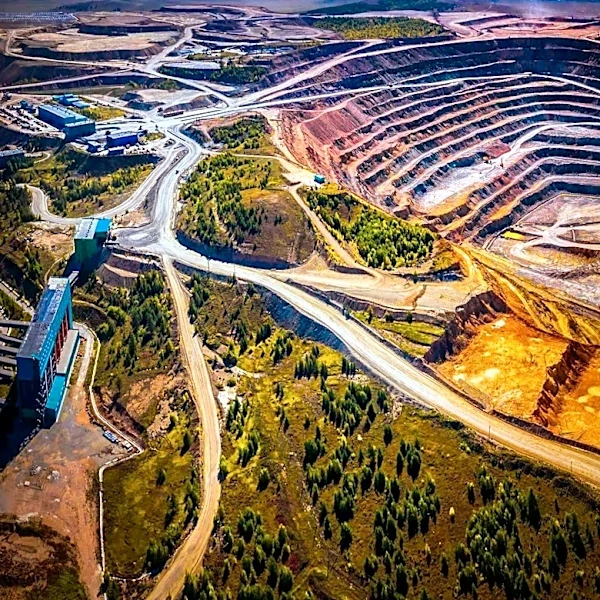
This reversal carries significant implications for environmental conservation, indigenous rights, and economic development in Colombia, with potential ripple effects on global climate efforts. The Amazon rainforest plays a crucial role in regulating global climate and biodiversity, and the lifting of protections could accelerate deforestation and habitat loss. Environmental groups have strongly condemned the move, and a lawsuit has already been filed to challenge it, highlighting the contentious nature of the decision. While the ministry asserts that existing protections, such as national parks and a 2018 Supreme Court ruling granting the Amazon legal rights, remain in force, the removal of the blanket ban opens the door for increased industrial activity. The decision also underscores the complex balance between economic needs, particularly in developing nations, and environmental preservation, as the government cited economic uncertainty for local communities as a reason for the reversal.
What's Next?
The legal challenge to overturn the ministry's decision will proceed, indicating a continued battle over the future of Colombia's Amazon. While the ban's revocation does not automatically greenlight new drilling or mining, each project will still require individual permits and adhere to existing environmental laws, including those protecting national parks and the Amazon's legal rights. The Environment Ministry has also indicated that it may establish new protections once community consultations are completed, suggesting that the regulatory framework for the region could evolve further. The international community, particularly environmental organizations, will likely continue to monitor the situation closely and exert pressure for robust environmental safeguards. The outcome of the lawsuit and any subsequent policy developments will determine the long-term impact on the Amazon and its inhabitants.
Beyond the Headlines
The controversy surrounding Colombia's Amazon policy highlights a broader global tension between resource extraction and environmental stewardship, particularly in regions rich in biodiversity and inhabited by indigenous communities. The former environment minister, Irene Vélez, suggested that the reversal was influenced by U.S. interests in critical minerals, pointing to a deal signed between the two countries in September. This raises questions about the geopolitical dimensions of environmental policy and the influence of international demand for resources on national decisions. The argument that the previous ban was rushed and lacked proper community consultation also brings to light the importance of inclusive governance and the rights of indigenous and Afro-Colombian communities in land use decisions. The ongoing struggle in Colombia reflects a microcosm of the global challenge to achieve sustainable development that respects both ecological limits and human well-being.