





What's Happening?
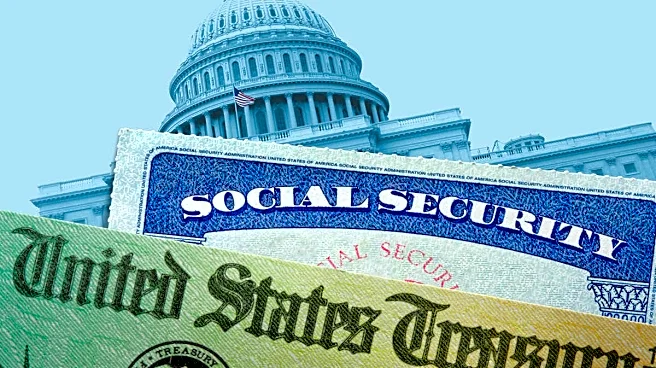
The Social Security program in the United States is facing a significant financial shortfall, with its trust fund projected to run out by 2032. This has prompted discussions among politicians about potential reforms to ensure the program's sustainability.
Current Democratic plans primarily focus on raising taxes, particularly by uncapping the payroll tax for earnings above $400,000, while keeping benefits constant or even increasing them. This approach aims to address the imbalance between the number of beneficiaries and the working-age adults whose taxes fund the program. The number of workers per beneficiary has decreased by 24% since 1990, exacerbating the financial strain on Social Security.
Why It's Important?
The impending shortfall in Social Security funding is a critical issue as it threatens the financial stability of millions of Americans who rely on these benefits. The proposed tax increases are intended to prevent a 22% cut in benefits that would occur if the trust fund is depleted. However, these plans also highlight a broader debate about the program's role in wealth distribution, as Social Security has increasingly become a transfer of wealth to the middle class and the rich, rather than focusing on poverty alleviation. The outcome of these discussions will have significant implications for U.S. public policy and the economic well-being of future retirees.
What's Next?
As the 2032 deadline approaches, political leaders will need to make difficult decisions to address the Social Security shortfall. Potential solutions include a combination of tax increases, benefit cuts, or increasing the national debt. The political landscape will play a crucial role in determining which path is chosen, with Democrats generally favoring tax increases and Republicans historically advocating for program reductions. The decisions made in the coming years will shape the future of Social Security and its impact on American society.