








What's Happening?
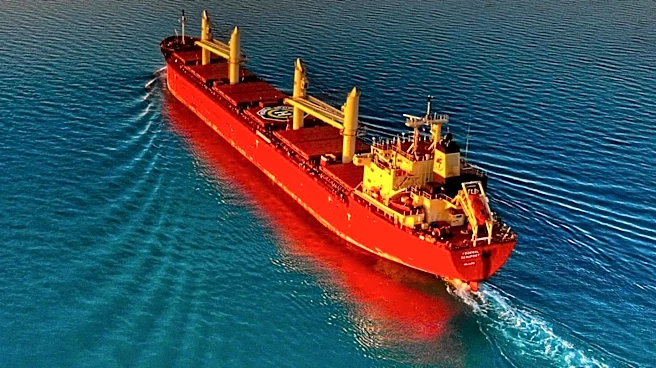
Bulk carriers transporting sulfur are facing significant corrosion risks due to prolonged delays in the Gulf region, particularly around the Strait of Hormuz. These delays have extended beyond the safe storage period for sulfur in steel holds, which is typically
protected by a limewash coating effective for about 20 days. The maritime consultancy Brookes Bell has highlighted that some vessels have been delayed for up to three times this duration, leading to severe corrosion. The limewash, which counteracts the formation of sulfuric acid, has long since been exhausted, resulting in pitting and potential structural damage. The consultancy's head of non-destructive testing, Arron Jackaman, advises shipowners and insurers to inspect affected vessels promptly to mitigate damage and repair costs.
Why It's Important?
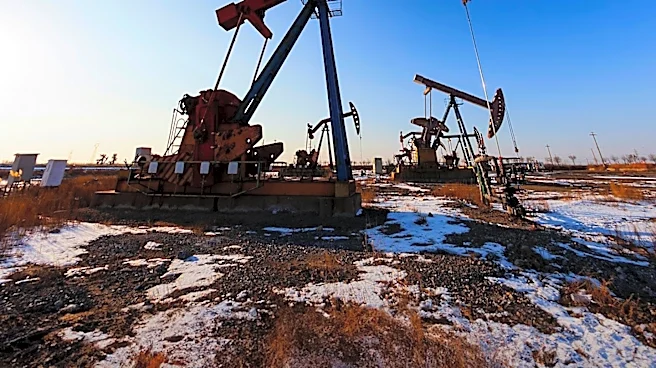
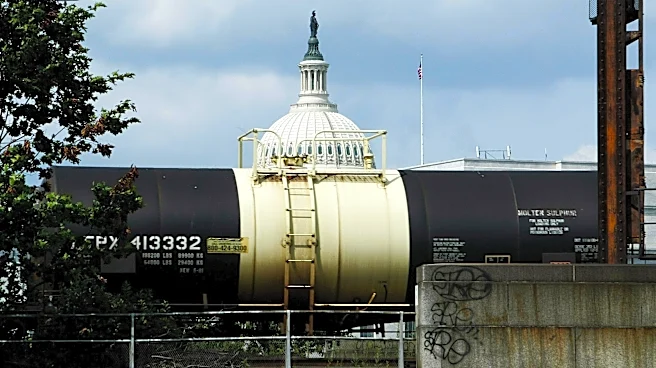
The corrosion threat to sulfur-laden bulkers has significant implications for the maritime industry, particularly in terms of safety and financial liability. The Gulf region is a major exporter of sulfur, a byproduct of oil and gas processing, and delays in shipping can disrupt global supply chains. The potential for severe corrosion not only poses a risk to the structural integrity of ships but also increases the likelihood of costly repairs and insurance claims. This situation underscores the need for improved logistics and contingency planning in regions prone to geopolitical tensions, which can lead to shipping delays.
What's Next?
Shipowners and insurers are likely to increase inspections and maintenance of vessels operating in high-risk areas to prevent similar issues in the future. There may also be a push for more robust protective measures or alternative materials to extend the safe storage period of sulfur in bulk carriers. Additionally, the situation could prompt discussions on international shipping regulations and the need for coordinated efforts to manage delays caused by geopolitical tensions.