








What's Happening?
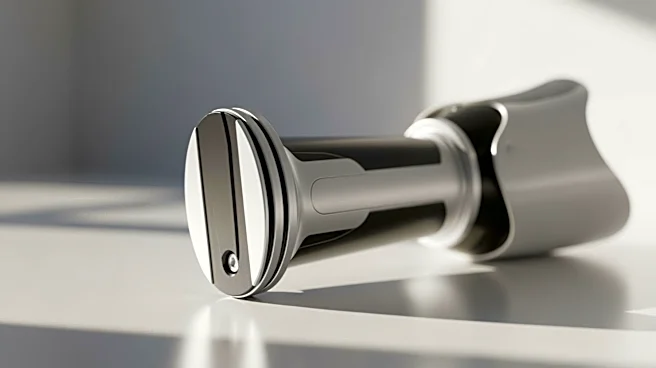
The Department of Veterans Affairs (VA) has implemented a significant change in how it procures prosthetic limbs, aiming to expedite delivery for veterans across the United States. Historically, the procurement process was bogged down by extensive contracting
reviews, leading to prolonged wait times for veterans who depend on these devices for mobility and independence. The new policy eliminates most of these reviews, affecting the majority of prosthetic limb orders and promising a substantial reduction in delivery times. According to the VA, the streamlined process has already cut wait times by 10 days, with expectations of a 42% decrease once fully implemented. VA Secretary Doug Collins emphasized the goal of removing bureaucratic hurdles that delay essential care for veterans.
Why It's Important?
This overhaul is crucial as it directly impacts the quality of life for thousands of veterans who rely on prosthetics. Delays in receiving prosthetic limbs can lead to physical setbacks, such as muscle loss and joint issues, and can exacerbate mental health challenges like depression and isolation. By reducing delivery times, the VA aims to enhance veterans' mobility and independence, allowing them to return to work and engage more fully with their families and communities. This change is part of a broader initiative by the Trump administration to improve access to VA healthcare, reduce backlogs, and increase veteran enrollment in the system.
What's Next?
The VA plans to continue refining the procurement process to ensure even faster delivery times. As the new system becomes fully operational, the agency anticipates further reductions in wait times, potentially setting a new standard for efficiency in veteran healthcare services. The VA's efforts to streamline prosthetic delivery are expected to serve as a model for other areas of veteran care, potentially leading to similar reforms in other healthcare services provided by the VA.