



What's Happening?
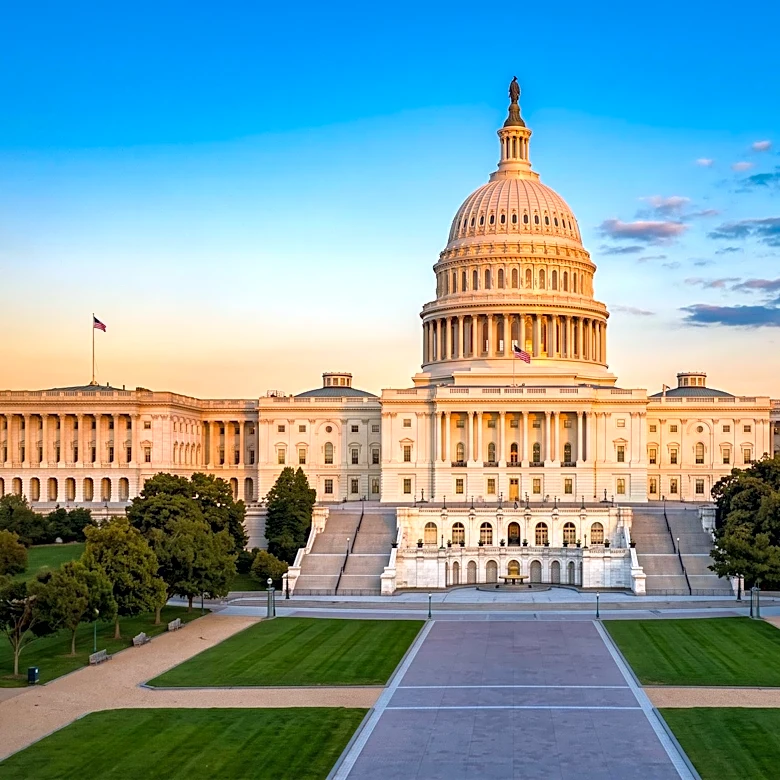
Congressman August Pfluger (TX-11) participated in an Energy Subcommittee hearing focused on affordable nuclear energy and the management of nuclear spent fuel. The hearing, titled 'Nuclear Spent Fuel Policy: Examining Nuclear Lifecycle Innovation Campuses,'
addressed new initiatives by the Department of Energy and the Administration to transform the nuclear fuel cycle. Representative Pfluger emphasized the need for a more efficient and properly utilized nuclear energy lifecycle, highlighting the potential to quadruple the electrons produced by nuclear energy from its current 20% contribution to U.S. usage. He also raised concerns specific to West Texas regarding the storage of high-level nuclear waste near oil and gas production sites, advocating for solutions that allow material to be used before reaching permanent disposal.
Why It's Important?
The discussion around nuclear energy and waste management is crucial for the future of U.S. energy independence and environmental sustainability. Nuclear power offers a carbon-free energy source that can significantly contribute to meeting growing electricity demands. Representative Pfluger's advocacy for increased efficiency and proper utilization of the nuclear lifecycle underscores the potential for nuclear energy to play a larger role in the nation's power grid. Addressing the challenges of spent fuel storage, particularly in regions like West Texas, is vital for public acceptance and the long-term viability of nuclear power. Effective waste management solutions are necessary to ensure safety, reduce environmental impact, and prevent the accumulation of radioactive materials, which has been a persistent hurdle for the expansion of nuclear energy in the United States.
What's Next?
The hearing signals ongoing efforts by Congress and the Department of Energy to advance nuclear policy and address the federal government's responsibility for nuclear waste disposal. The concept of 'Nuclear Lifecycle Innovation Campuses' aims to centralize the storage, recycling, and disposal of spent fuel, potentially streamlining the process and fostering technological advancements in reprocessing. Future steps will likely involve continued evaluation of economic viability, environmental soundness, and community safety regarding these campuses. The focus will also remain on how the existing Nuclear Waste Fund, which holds over $51 billion, will be utilized to support these initiatives and ensure ratepayers receive value for their contributions. The development of new technologies for reprocessing and managing different types of waste will be a key area of focus.
Beyond the Headlines
The debate over nuclear waste management extends beyond technical solutions to encompass significant ethical and social dimensions. The concerns raised by Representative Pfluger about storing high-level waste in specific regions highlight the 'not in my backyard' (NIMBY) phenomenon, where communities resist the placement of such facilities due to perceived risks. This underscores the need for transparent communication, robust safety protocols, and equitable benefit-sharing to gain public trust and overcome local opposition. Furthermore, the discussion about reprocessing technologies touches upon the long-term vision for nuclear energy, moving towards a more circular economy where spent fuel is viewed as a resource rather than solely as waste. This shift could reduce the volume and toxicity of waste, but also introduces new complexities in terms of technology, security, and international proliferation risks.