






What's Happening?
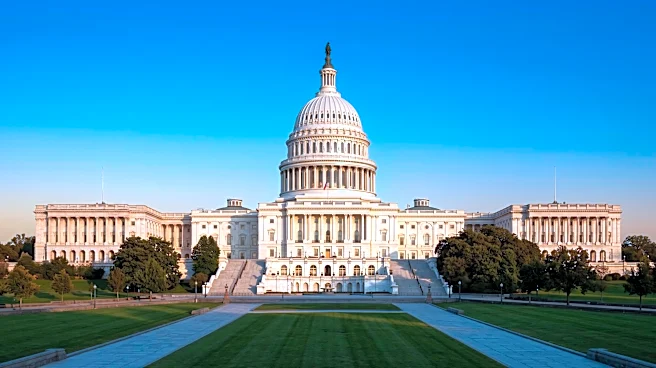
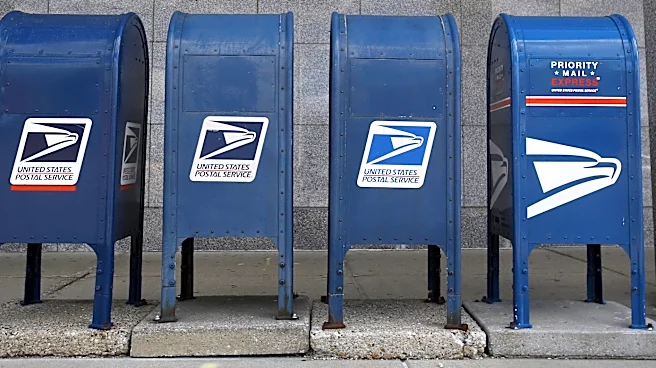
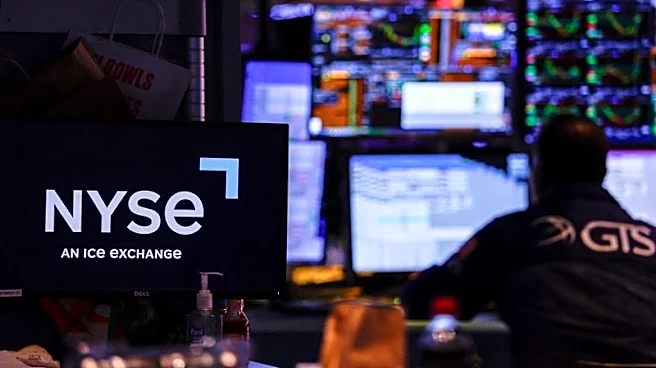
Labor Day, observed on the first Monday of September, will result in widespread closures of government offices, post offices, courts, and schools across the United States. U.S. stock markets and banks will also be closed for the holiday. Standard FedEx
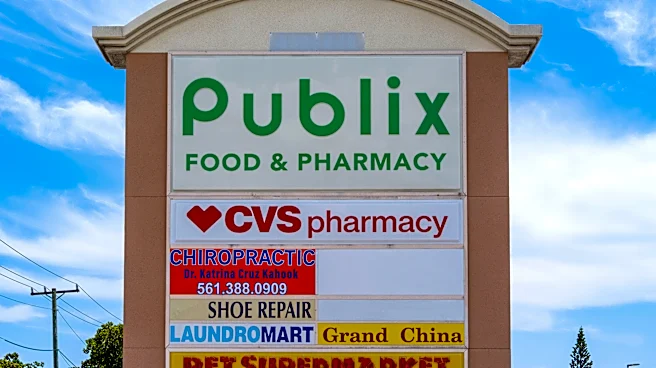
and UPS pickup and delivery services will be suspended, though some critical services may be available at select locations. While warehouse clubs like Costco will be closed, most major national retailers and grocery stores are expected to remain open, with many offering promotional sales. The holiday's origins trace back to the late 19th century, with the first U.S. celebration occurring in New York City on September 5, 1882. President Grover Cleveland officially established the first Monday of September as a legal holiday in 1894. Despite rising travel costs, millions of Americans are anticipated to travel for the last major summer holiday weekend, with airfares and hotel prices higher than the previous year, though cruise prices from U.S. ports are slightly lower.
Why It's Important?
The observance of Labor Day significantly impacts daily operations for many Americans, particularly those relying on government services, financial transactions, and standard shipping. The closure of banks and stock markets highlights the holiday's recognition within the financial sector, pausing economic activity for a day. For consumers, the mixed bag of retail openings and promotional sales presents both opportunities for shopping and potential inconveniences for those needing specific services. The anticipated surge in travel, despite increased costs, underscores the cultural significance of Labor Day as a final summer getaway, impacting transportation infrastructure and local economies in popular destinations. The historical context of Labor Day as a tribute to workers remains relevant, as the holiday continues to provide a day of rest for many, reflecting its enduring social and economic importance.
What's Next?
Following Labor Day, government services, financial markets, and standard shipping operations will resume their regular schedules. Travelers returning from their holiday excursions will likely contribute to increased traffic and demand for transportation services in the days immediately after the holiday. Retailers will conclude their Labor Day sales, shifting focus to upcoming seasonal promotions. The travel industry will begin to assess the impact of the holiday weekend on their operations and adjust strategies for the fall season. For many, the holiday marks an unofficial end to summer, with schools fully back in session and a general return to regular routines across various sectors of the U.S. economy and society.
Beyond the Headlines
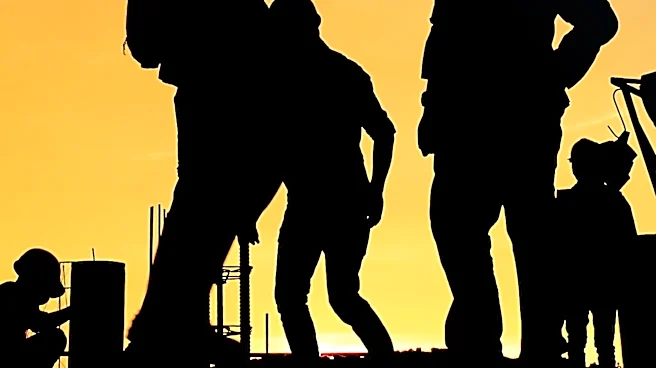
Labor Day's impact extends beyond immediate closures and travel trends, reflecting deeper societal values regarding labor and leisure. The holiday serves as a reminder of the historical struggles and achievements of the American labor movement, which advocated for workers' rights and fair conditions. Its continued observance underscores a collective societal agreement on the importance of recognizing the contributions of the workforce. The economic implications of a national holiday, including shifts in consumer spending patterns and temporary pauses in productivity, offer insights into the balance between economic activity and social well-being. Furthermore, the holiday's role as a transitional marker from summer to fall influences cultural rhythms, impacting everything from seasonal retail trends to community event planning and personal routines.