




What's Happening?
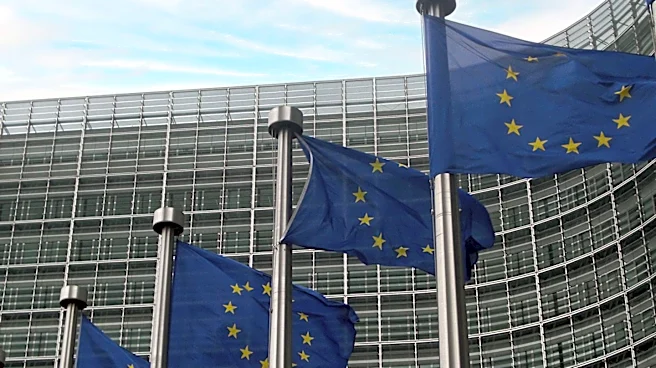
The European Commission has officially established the EU Sanctions Office, a new body designed to centralize expertise across the entire sanctions lifecycle, from policy formulation to implementation, enforcement, and anti-circumvention efforts. This
initiative aims to enhance the coordination of sanctions within the EU and with third countries, particularly concerning regimes targeting Russia and Belarus, as well as Iran, North Korea, Syria, and those related to hybrid and organized crime. The office will provide Member States with faster compliance guidance, data sharing, and economic and technical analysis to ensure a harmonized approach to sanctions implementation and enforcement. Concurrently, Lars Danielsson has been appointed as the International Special Envoy for the Implementation of EU Sanctions, set to assume his role on February 6, 2027. Mr. Danielsson, a seasoned Swedish diplomat, will work closely with the new office to prevent circumvention and engage with partner countries.
Why It's Important?
The creation of the EU Sanctions Office and the appointment of a dedicated envoy underscore the EU's commitment to strengthening its foreign policy tools in response to evolving international challenges, particularly following Russia's invasion of Ukraine. The EU has adopted 21 packages of sanctions since the conflict began, highlighting the increasing complexity and scale of these measures. This new structure is crucial for ensuring that sanctions are not only effectively designed but also rigorously enforced, preventing circumvention through alternative trade routes, financial channels, or procurement networks. For the U.S. and its allies, this development signifies a more robust and coordinated European approach to sanctions, which could lead to greater alignment in international pressure campaigns against targeted entities and nations. Enhanced EU enforcement could also impact global supply chains and financial markets, as businesses worldwide adjust to stricter compliance requirements and reduced opportunities for circumvention, potentially affecting U.S. companies operating internationally.
What's Next?
The new EU Sanctions Office will officially commence operations on January 16, 2027, with Lars Danielsson taking up his position as International Special Envoy on February 6, 2027. These changes are expected to lead to a more streamlined and effective sanctions regime within the EU. The office will support the Envoy in preparing, conducting, and following up on missions, providing administrative and logistical assistance. This integrated approach will involve expertise from various Commission departments, ensuring a comprehensive strategy from policy design to international outreach. Stakeholders, including businesses and financial institutions, will likely face increased scrutiny and stricter compliance demands as the EU enhances its capacity to detect and prevent sanctions circumvention. The EU's engagement with third countries to reduce circumvention risks will also intensify, potentially leading to broader international cooperation on sanctions enforcement.
Beyond the Headlines
The establishment of the EU Sanctions Office reflects a broader trend towards the institutionalization and professionalization of sanctions as a primary foreign policy instrument. This move acknowledges the significant challenges associated with implementing and enforcing complex sanctions regimes, particularly in a globalized economy where actors constantly seek ways to bypass restrictions. Beyond the immediate impact on Russia and Belarus, this development could set a precedent for how international bodies manage and enforce sanctions against other states or entities in the future. It also highlights the growing importance of economic statecraft in international relations, where financial and trade restrictions are increasingly used to achieve geopolitical objectives. The ethical and legal implications of such extensive sanctioning powers, including potential humanitarian impacts and the rights of individuals and entities affected, will remain a critical area of discussion and oversight.