







What's Happening?
Research indicates that exposure to extreme hot or cold conditions during pregnancy can elevate the risk of preterm birth. A study published in Environmental Health Perspectives, which reviewed over 223,000 births across 12 U.S. clinical centers, found
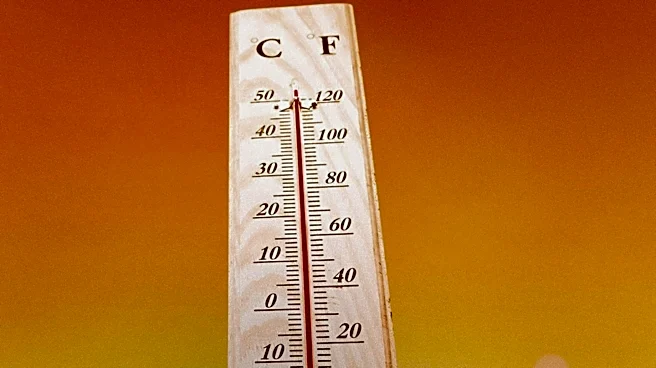
a significant correlation between temperature extremes and early delivery. The first seven weeks of pregnancy were identified as a critical period; women experiencing cold spells during this time had a 20 percent increased risk of delivering before 34 weeks, while those exposed to heatwaves saw an 11 percent increase. Prolonged exposure to extreme heat throughout pregnancy also posed risks. Researchers theorize that temperature-related stress could impair placental development or alter uterine blood flow, potentially leading to early labor. The study highlights the importance of minimizing pregnant women's exposure to such conditions, noting that while people may seek shelter from cold, enduring heatwaves is more common, especially due to air conditioning costs or access issues.
Why It's Important?
This research is crucial for public health and maternal care in the U.S., as preterm birth, defined as birth before 37 weeks, is a leading cause of infant mortality and long-term disability. Understanding the environmental factors contributing to preterm birth can inform public health advisories and healthcare provider recommendations, particularly for vulnerable populations. The findings suggest a need for increased awareness and resources to help pregnant individuals mitigate risks associated with extreme weather, such as access to cooling centers during heatwaves or adequate heating during cold snaps. This could lead to policy discussions around climate resilience and its impact on maternal and infant health, potentially influencing urban planning, housing assistance, and healthcare access to protect pregnant women from environmental stressors.
What's Next?
Healthcare providers may increasingly incorporate discussions about temperature exposure into prenatal care, advising pregnant patients on strategies to stay safe during extreme weather events. Public health campaigns could be developed to educate expectant mothers on the risks and protective measures, such as staying hydrated, dressing appropriately, limiting outdoor activities, and seeking shade or warmth. Further research might explore specific physiological mechanisms linking temperature extremes to preterm birth and investigate the effectiveness of various interventions. Policy discussions could also emerge regarding community resources, such as accessible cooling and warming centers, and support for energy costs to ensure pregnant individuals can maintain safe indoor temperatures, especially in areas prone to severe weather.
Beyond the Headlines
The study's implications extend beyond immediate health recommendations, touching upon broader societal issues like climate change and health equity. As climate change leads to more frequent and intense extreme weather events, the risk of preterm births due to temperature exposure could rise, disproportionately affecting low-income communities and those with limited access to adequate housing or climate control. This highlights the need for a holistic approach to public health that considers environmental factors and socioeconomic disparities. Addressing these issues may require interdisciplinary efforts involving climate scientists, urban planners, healthcare professionals, and policymakers to create more resilient communities and protect vulnerable populations from the health impacts of a changing climate.