




What's Happening?
Denver's Mayor Mike Johnston and the City Council have announced the formation of a 26-member working group composed of citizens and experts to provide policy recommendations regarding data center growth. This initiative comes amidst a city-wide building
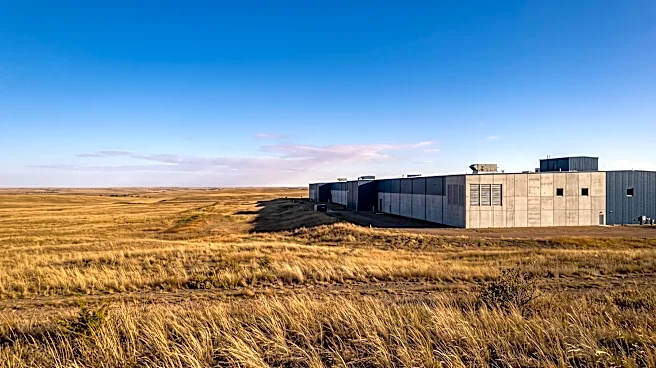
moratorium on new data centers, which was approved in May and could be extended beyond its initial May expiration. The moratorium was enacted following significant controversy and opposition from residents, particularly in the Elyria-Swansea neighborhood, who protested the construction of a 600,000-square-foot data center by CoreSite. These residents have historically faced environmental burdens from various industrial sources. The working group's establishment signals a commitment from Denver officials to prioritize community voices and resources in shaping future data center regulations. Other communities along the Front Range, including Brighton and Weld County, are also grappling with similar debates and moratoriums concerning large-scale data center proposals.
Why It's Important?
The formation of this working group and the ongoing moratorium in Denver highlight a growing tension between technological expansion and community well-being in urban areas. Data centers, while crucial for the digital economy, are energy-intensive and can contribute to environmental concerns, including increased pollution and strain on local resources. This situation is particularly significant for U.S. cities experiencing rapid technological growth, as it sets a precedent for how local governments might balance economic development with environmental justice and community input. The involvement of union, utility, industry, nonprofit, healthcare, and air quality experts in the working group underscores the multifaceted impact of data centers. The outcome of Denver's policy recommendations could influence how other U.S. municipalities approach the siting and regulation of data centers, potentially leading to more stringent environmental and community-focused development standards nationwide.
What's Next?
The newly formed working group is scheduled to commence its meetings on October 9, with sessions being streamed to ensure public transparency. Their primary task will be to develop policy recommendations for data center operations within Denver, which will inform decisions on whether to extend or modify the current moratorium. The Mayor's statement, emphasizing that 'It will be Denver, not corporations, that decide if and how data centers may operate in our city,' suggests a strong stance on local control over development. The recommendations from this group are expected to shape future zoning laws, environmental regulations, and community engagement requirements for data center projects. Meanwhile, other Front Range communities like Brighton and Weld County will continue their own debates and potential bans, indicating a regional trend towards re-evaluating the impact of these facilities.
Beyond the Headlines
This development in Denver reflects a broader societal reckoning with the environmental and social costs of the digital age. While data centers are essential infrastructure for artificial intelligence, cloud computing, and the internet, their significant energy consumption and potential for localized pollution are increasingly under scrutiny. The emphasis on community representation in the working group, particularly from historically impacted neighborhoods, highlights a shift towards environmental justice in urban planning. This situation could lead to innovative solutions for sustainable data center development, such as requirements for renewable energy sourcing, advanced cooling technologies, or even distributed data processing to reduce concentrated impacts. It also underscores the evolving role of local governance in regulating industries that have traditionally been viewed through a national or global economic lens, potentially fostering a new model for community-centric technological development.