

What's Happening?
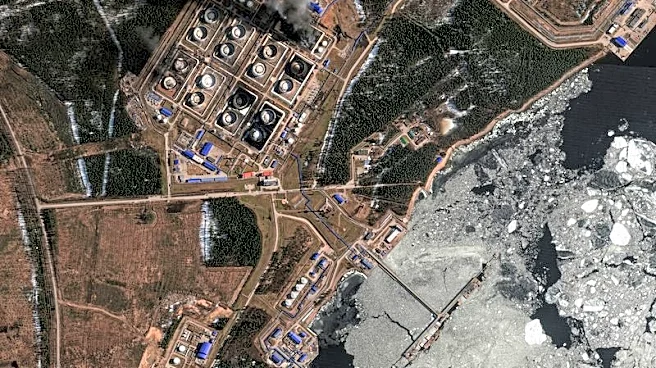
Russia's seaborne diesel and gasoil exports fell by 3% in March compared to February, totaling approximately 3.06 million metric tons. This decline is attributed to repeated drone attacks that disrupted fuel loadings at key ports, including the Baltic
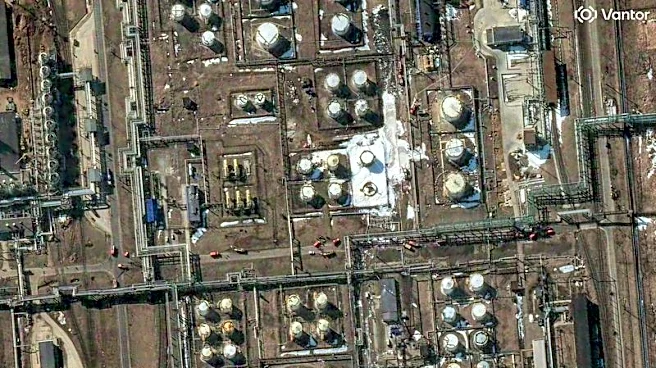
port of Primorsk, Russia's largest outlet for diesel exports. The attacks led to a suspension of oil and fuel loadings and caused damage to port infrastructure, resulting in reduced capacity. Additionally, a ban on non-ice-class tankers entering Russian Baltic ports further hampered loadings. Despite these challenges, Turkey and Brazil remained significant buyers of Russian diesel and gasoil tanker cargoes.
Why It's Important?
The reduction in Russian diesel exports highlights the impact of geopolitical tensions on global energy markets. The disruption caused by drone attacks and subsequent infrastructure damage can lead to increased volatility in fuel prices, affecting global supply chains. Countries reliant on Russian diesel may face challenges in securing alternative sources, potentially leading to higher costs and supply shortages. The situation underscores the vulnerability of energy infrastructure to geopolitical conflicts and the need for diversified energy sources.
What's Next?
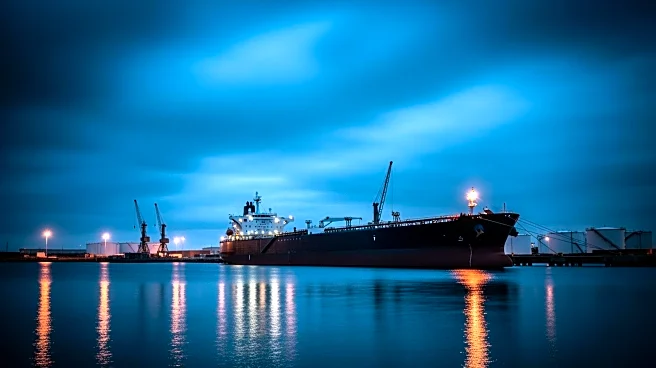
As Western sanctions tighten and tanker availability declines, ship-to-ship transfers have increased, indicating a shift in how Russian diesel is distributed. Countries like Morocco, Ghana, and Syria have emerged as top importers of Russian diesel cargoes. The ongoing geopolitical tensions may prompt further adjustments in global energy trade patterns, with countries seeking to mitigate risks associated with reliance on Russian energy exports.