







What's Happening?
Several popular European tourist destinations, including Málaga, Palma de Mallorca, Barcelona, and Ibiza, have experienced significant anti-tourism protests in 2024 and 2025. These demonstrations, which sometimes involved direct action like squirting
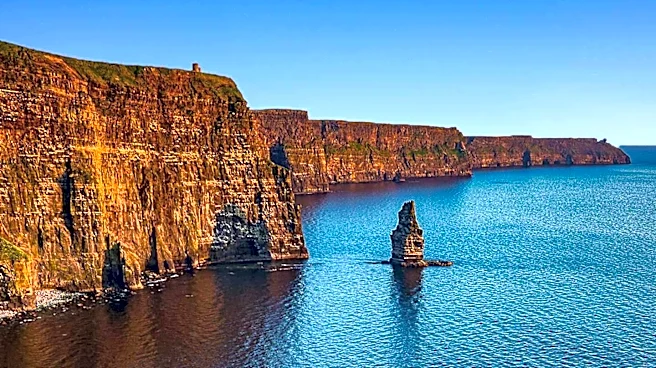
tourists with water pistols, highlight local frustrations over issues such as housing shortages and the strain on public spaces. For instance, Barcelona nearly doubled its hotel guest tax by early 2026 and plans to ban over 10,000 tourist apartment rentals by 2028. Protesters in Palma formed a human chain to demand stronger government action on overtourism, while residents in Ibiza called for the protection of public spaces for locals. Conversely, Ireland is actively working to attract more visitors, allocating millions of dollars to its tourism industry after experiencing a 3% drop in visitor numbers in 2025. This contrast underscores that overtourism is a localized issue, with some regions struggling to manage high visitor volumes while others seek to boost their tourism sectors.
Why It's Important?
The growing anti-tourism sentiment in parts of Europe, particularly in Spain, signals a significant shift in the global tourism landscape. For U.S. travelers, this could mean encountering increased taxes, stricter regulations on accommodations, and potentially less welcoming environments in popular European destinations. The protests highlight a broader societal challenge where the economic benefits of tourism are increasingly weighed against the quality of life for local residents, particularly concerning housing affordability and access to public amenities. The Irish government's efforts to increase tourism, despite a recent decline, illustrate the economic reliance many nations have on the industry. This divergence in approaches could lead to a redistribution of tourist flows, potentially benefiting destinations actively seeking visitors while challenging the long-term sustainability of overtouristed areas. U.S. tourism businesses and travel agencies may need to adapt their offerings and advice to clients, considering these evolving dynamics.
What's Next?
In response to ongoing protests, cities like Barcelona are implementing stricter regulations, including increased tourist taxes and bans on short-term rentals, which are likely to continue and potentially expand to other affected areas. These measures aim to mitigate the negative impacts of overtourism on local communities. Other destinations, like Ireland, will likely continue their campaigns and investments to attract more international visitors, potentially through expanded marketing efforts and improved infrastructure. The contrasting situations suggest a future where tourism policies become more localized and tailored to specific regional needs, rather than a one-size-fits-all approach. Travelers may see a greater emphasis on sustainable tourism practices and a push for more equitable distribution of tourism benefits and burdens. The success of these varied strategies will likely influence future policy decisions across the global tourism sector.
Beyond the Headlines
The protests against overtourism reveal deeper societal tensions regarding globalization, economic development, and local identity. The focus on housing shortages and the privatization of public spaces points to a fundamental conflict between the economic imperative of tourism and the social well-being of residents. This issue extends beyond mere inconvenience, touching upon the right to affordable housing and the preservation of cultural heritage. The use of direct action by protesters, such as human chains and water pistol demonstrations, signifies a growing frustration with traditional political channels and a demand for more immediate and impactful change. This trend could lead to a re-evaluation of tourism models, pushing for more community-centric and environmentally sustainable approaches. The long-term implications could include a shift towards slower, more immersive travel experiences and a greater emphasis on supporting local economies in ways that do not displace residents or degrade their living conditions.