
What's Happening?
In 2025, climate change significantly influenced various extreme weather events worldwide, as reported by Climate Central and World Weather Attribution. In California, intense wildfires fueled by Santa
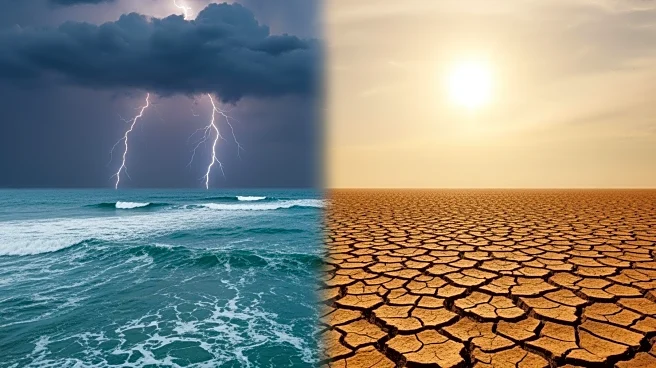
Ana winds resulted in numerous fatalities and the destruction of thousands of structures. Similarly, South Korea experienced its deadliest wildfires, exacerbated by climate change, which led to significant loss of life and property. In the United Kingdom, a heatwave was intensified by climate change, raising temperatures significantly. In Texas, heavy rainfall led to severe flash flooding, with climate change contributing to the intensity of the event. Additionally, Hurricane Melissa, a Category 5 storm, was supercharged by warm waters linked to climate change, causing widespread devastation in the Caribbean. These events highlight the increasing frequency and intensity of climate-related disasters.
Why It's Important?
The events of 2025 underscore the profound impact of climate change on global weather patterns, with significant implications for public safety, infrastructure, and economic stability. The intensification of wildfires, heatwaves, and hurricanes poses a growing threat to human life and property, necessitating urgent action to mitigate climate change and adapt to its effects. The economic costs of these disasters are substantial, with billions in damages and long-term recovery efforts required. The increased frequency of such events also places a strain on emergency services and disaster response systems, highlighting the need for improved preparedness and resilience strategies. As climate change continues to alter weather patterns, the importance of global cooperation and policy action to address its root causes becomes increasingly critical.
What's Next?
In response to these events, there is likely to be increased pressure on governments and international bodies to implement more stringent climate policies and invest in sustainable infrastructure. Efforts to reduce greenhouse gas emissions and transition to renewable energy sources may gain momentum as the impacts of climate change become more apparent. Additionally, there may be a push for enhanced disaster preparedness and response strategies to better protect vulnerable communities. The scientific community will continue to study the links between climate change and extreme weather, providing valuable insights to inform policy decisions. Public awareness and advocacy for climate action are also expected to grow as the consequences of inaction become more visible.
Beyond the Headlines
The events of 2025 highlight the ethical and social dimensions of climate change, particularly its disproportionate impact on vulnerable populations. Communities with limited resources are often the hardest hit by climate-related disasters, exacerbating existing inequalities. The need for climate justice and equitable adaptation measures is increasingly recognized as a critical component of addressing climate change. Furthermore, the cultural and psychological impacts of frequent and severe weather events are significant, affecting mental health and community cohesion. As societies grapple with these challenges, there is an opportunity to foster greater solidarity and collective action to build a more sustainable and resilient future.