






What's Happening?
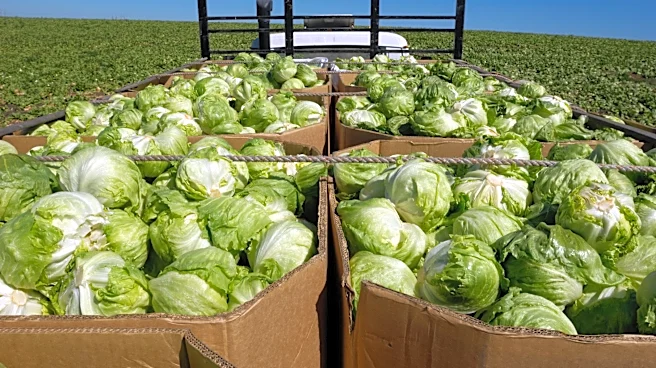
The Oregon Health Authority is currently investigating two cases of Cyclospora infections in Oregon residents. These cases are part of a larger multistate cyclosporiasis outbreak linked to a nationwide recall of pre-shredded iceberg lettuce products.
The recall, which was voluntarily initiated on July 17, has not reported any distribution of the affected products in Oregon. Despite this, the Oregon Health Authority has stated that the risk to the public remains low, as Cyclospora is not transmitted directly from person to person. Historically, Oregon reports several cyclosporiasis cases annually, often associated with international travel rather than national outbreaks. In 2026, 23 cases have been reported, aligning with previous years' figures. The authority anticipates more cases linked to the federal outbreak, particularly among those who have traveled to affected areas or as more products are identified.
Why It's Important?
This investigation is significant as it highlights the ongoing challenges in managing foodborne illnesses and the importance of food safety practices. The outbreak underscores the interconnectedness of food supply chains and the potential for widespread impact from contaminated products. For Oregon, the situation serves as a reminder of the need for vigilance in food handling and the importance of public health monitoring. The potential for additional cases could strain local health resources and necessitate increased public awareness and education on safe food practices. Nationally, the outbreak could prompt regulatory reviews and changes in food safety protocols to prevent future occurrences.
What's Next?
The Oregon Health Authority is likely to continue monitoring the situation closely, with potential updates on additional cases or further recalls. Public health advisories may be issued to inform residents about safe food handling practices and to mitigate the risk of further infections. On a broader scale, federal health agencies may conduct investigations to trace the source of contamination and implement measures to prevent similar outbreaks. The situation may also lead to discussions on improving food safety standards and recall processes to enhance consumer protection.