







What's Happening?
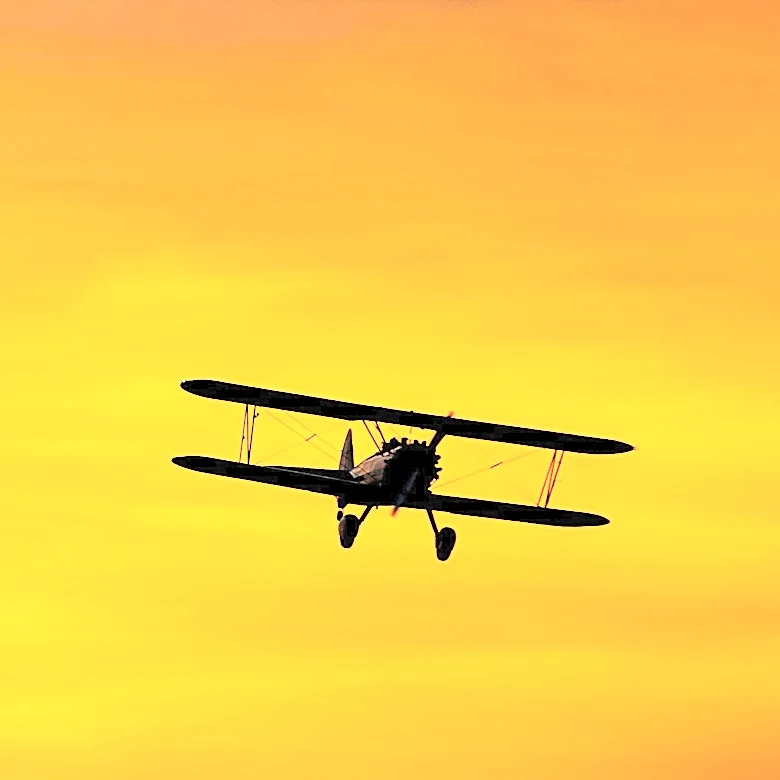
The Azores is preparing to mark the 77th anniversary of the Air France aircraft crash on Pico da Vara, São Miguel Island, which occurred on October 27, 1949. The incident involved an Air France plane traveling from Paris to New York, with a planned refueling
stop on Santa Maria Island, that tragically struck the mountainous terrain, resulting in the deaths of all passengers and crew. Among the victims was Marcel Cerdan, a renowned French middleweight boxer. Gualter Furtado, reflecting on the tragedy, recalls childhood accounts and emphasizes the lasting impact on Azorean families and the mountain itself. He also recounts a 2009 expedition to Pico da Vara with friends, during which they paused at the memorial for the victims, blending remembrance with an appreciation for the island's natural beauty and a commitment to environmental conservation. The mountain, Pico da Vara, is a significant natural landmark and home to valuable natural habitats.
Why It's Important?
This commemoration highlights the enduring human impact of historical aviation disasters, particularly how such events resonate across generations and cultures. The inclusion of Marcel Cerdan, a figure of international renown, underscores how individual tragedies can become deeply embedded in national and cultural memory, influencing narratives beyond the immediate event. For the Azores, the anniversary serves as a moment to reflect on both human loss and the importance of preserving the unique natural environment of Pico da Vara, which holds ecological significance with its peatland ecosystems and endemic bird species like the Azores bullfinch. The story also emphasizes the role of natural landmarks in preserving collective memory and fostering a sense of responsibility towards environmental protection, linking historical remembrance with contemporary conservation efforts.
What's Next?
As the 77th anniversary approaches on October 27, 2026, further commemorative reflections and events are likely to take place in the Azores and potentially in France, given the historical significance of the event and the involvement of Marcel Cerdan. These observances will likely continue to blend historical remembrance with an appreciation for the natural landscape of Pico da Vara. The ongoing narrative, as exemplified by Gualter Furtado's reflections, suggests a continued focus on the intersection of human history, environmental conservation, and the collective memory of the community. Future discussions may also touch upon the challenges of accessing the demanding hiking routes of Pico da Vara and the importance of experienced guides for safety, especially during adverse weather conditions.
Beyond the Headlines
The Air France tragedy on Pico da Vara transcends a mere historical accident, evolving into a powerful symbol where nature, history, and collective memory converge. The mountain itself has become a silent witness and a memorial, inviting visitors to reflect on the fragility of life and the lasting consequences of such events. The story subtly highlights the ethical dimension of remembering tragedies, moving beyond the sensational details to focus on the human cost and the broader lessons learned. Furthermore, it underscores the cultural significance of natural landscapes, demonstrating how places like Pico da Vara can hold deep emotional and historical meaning for local communities, intertwining their identity with the land. This narrative also implicitly advocates for environmental stewardship, suggesting that honoring the past includes protecting the natural heritage that cradles these memories.