




What's Happening?
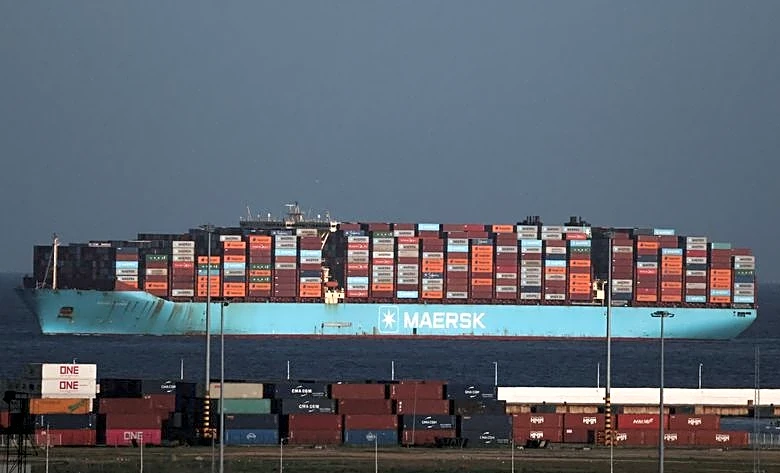
President Trump has agreed to a two-week ceasefire with Iran, following negotiations brokered by Pakistan. The agreement comes after Trump threatened military action if Iran did not open the Strait of Hormuz. The ceasefire allows for safe passage through
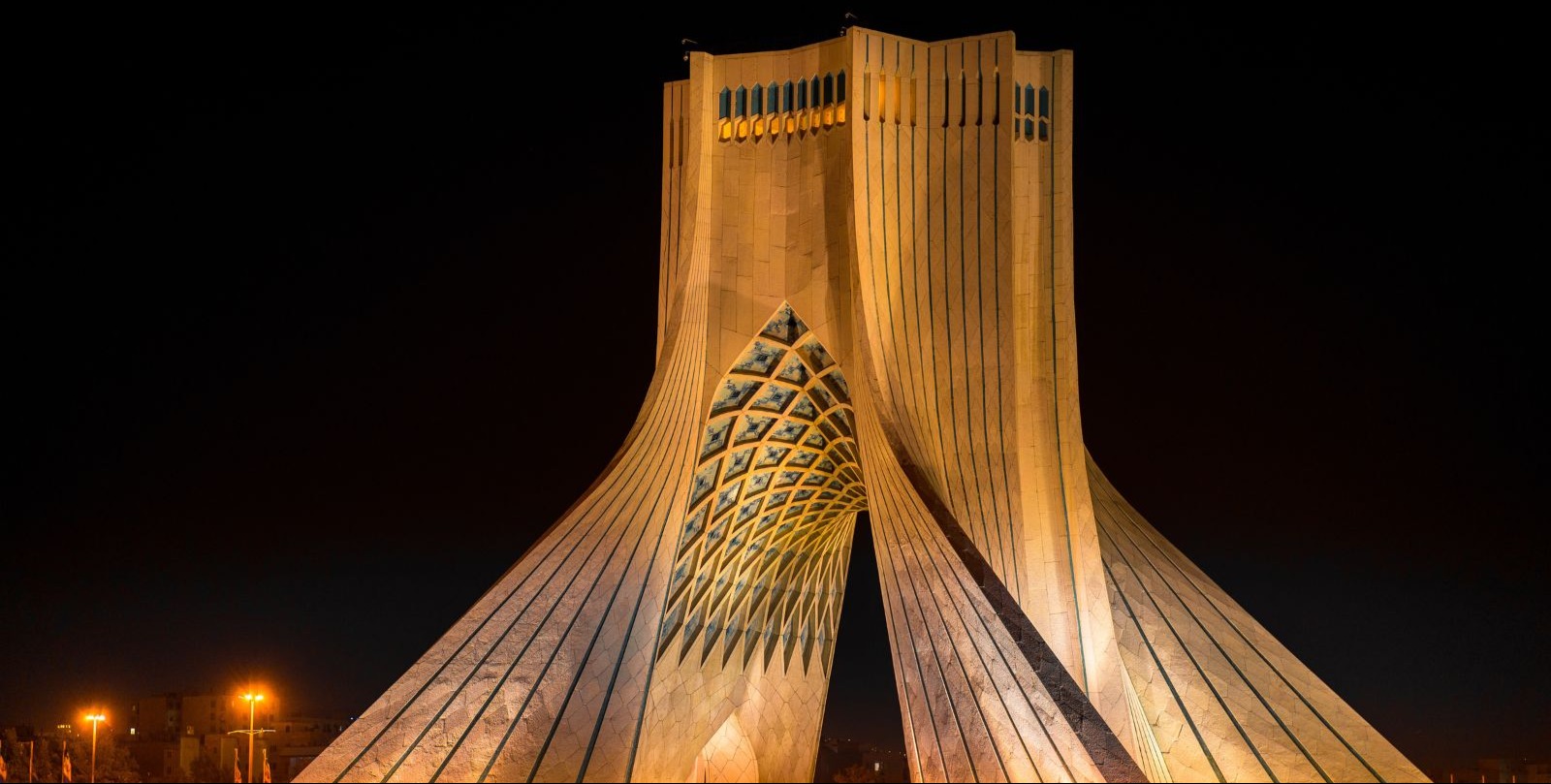
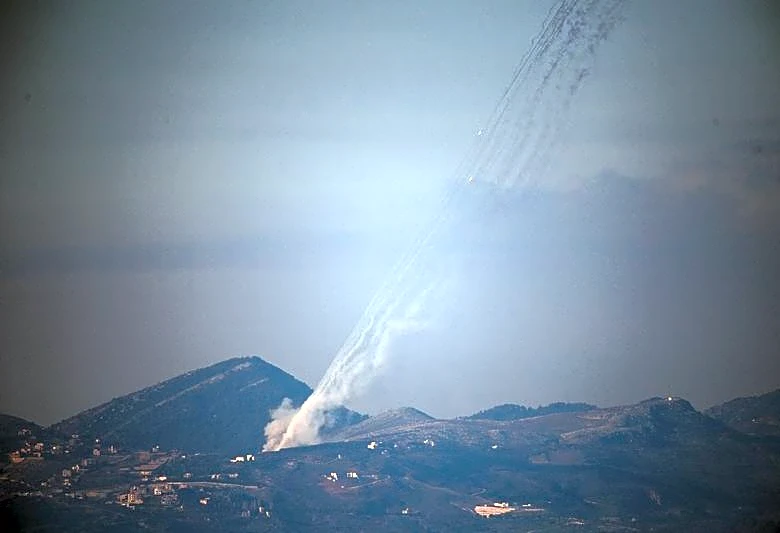
the strait, addressing concerns over rising oil prices. Iran's National Security Council declared the ceasefire a victory, claiming it permits the continuation of their nuclear program and escape from U.S. sanctions. The ceasefire also involves Israel, which has agreed to halt its bombing campaign for the duration. The development has sparked discussions on cable news about the implications of the ceasefire.
Why It's Important?
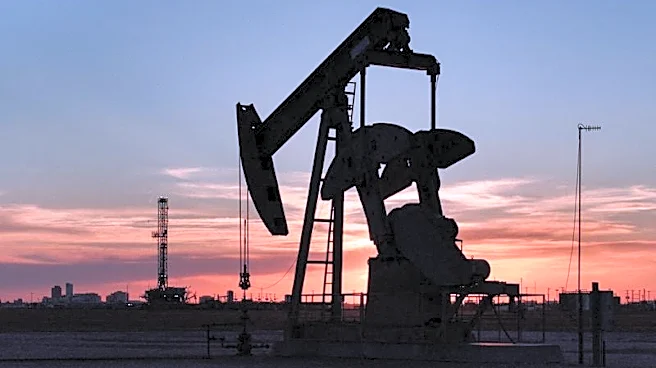
The ceasefire between the U.S. and Iran is crucial in preventing immediate military conflict, which could have significant geopolitical and economic repercussions. The Strait of Hormuz is a vital passage for global oil shipments, and its closure could lead to increased oil prices, affecting economies worldwide. The agreement provides temporary relief and stability in the region, although it raises questions about the long-term resolution of tensions between the U.S. and Iran. The ceasefire also impacts U.S. foreign policy and its relations with allies like Israel, which are closely monitoring the situation. The broader implications for international diplomacy and security are significant.