








What's Happening?
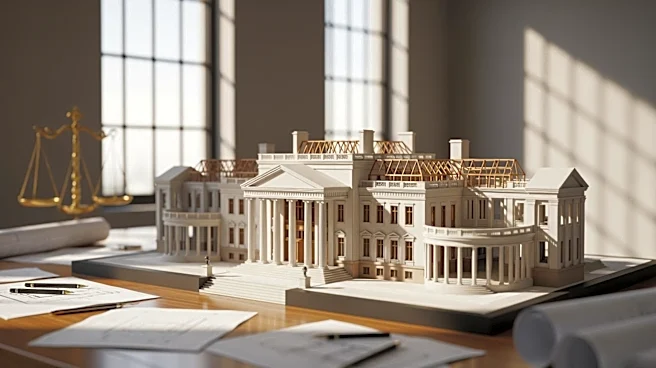
The Trump administration's contract for funding the construction of a new White House ballroom has been disclosed following a lawsuit by Public Citizen, a government watchdog group. The contract, which involves hundreds of millions in private donations,
was kept secret until a judge ordered its release. It allows donors to remain anonymous and excludes the White House from conflict of interest protections. The project, estimated at $400 million, is the most significant change to the White House in decades. Critics argue that the anonymity provisions could allow donors with federal business interests to influence the administration without public scrutiny.
Why It's Important?
The disclosure of this contract raises significant ethical and transparency concerns. The ability for donors to remain anonymous while contributing to a project directly associated with the president could lead to potential conflicts of interest, undermining public trust in the administration. The lack of transparency also limits congressional oversight, which is crucial for maintaining checks and balances in government projects. This situation highlights the ongoing debate over the influence of private money in public projects and the need for stringent transparency measures to prevent potential abuses of power.
What's Next?
The Trump administration's appeal against the ruling to halt construction pending congressional authorization indicates ongoing legal battles. Congressional Democrats are likely to continue pushing for legislation to ban anonymous donations for White House projects. The outcome of these legal and legislative efforts will have implications for future government transparency and the role of private funding in public projects. Stakeholders, including watchdog groups and lawmakers, will likely intensify their scrutiny of the administration's fundraising practices.