







What's Happening?
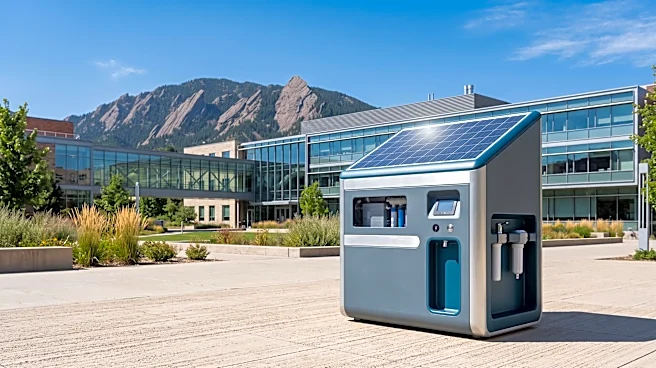
The 16th IEEE Global Humanitarian Technology Conference (GHTC 2026) is scheduled to take place from October 7 to 10 in Boulder, Colorado. Hosted at the University of Colorado, Boulder Mortensen Center in Global Engineering and Resilience, this flagship
global conference will focus on technology-enabled solutions aimed at supporting the United Nations Sustainable Development Goals (UN SDGs). The event seeks to address the needs of underserved communities in resource-constrained environments worldwide. Registration for GHTC 2026 is currently open, and the conference agenda includes four keynote speakers. The conference serves as a forum for professionals from academia, for-profit and non-profit businesses, and governmental and non-governmental organizations to share research, ideas, and case studies on humanitarian technology. It also encourages participants to present lessons learned from the deployment and application of these technologies.
Why It's Important?
This conference is important because it brings together diverse stakeholders to collaboratively develop and implement technological solutions for some of the world's most pressing humanitarian challenges. By focusing on the UN SDGs, GHTC 2026 directly contributes to global efforts to alleviate poverty, improve health, ensure access to education, and promote sustainable development. The emphasis on resource-constrained environments highlights the critical need for innovative and adaptable technologies that can be effectively deployed in areas lacking robust infrastructure or significant financial resources. The participation of academia, businesses, and NGOs fosters a multidisciplinary approach, which is essential for creating holistic and sustainable solutions. This collaborative environment can accelerate the development and adoption of technologies that have a tangible positive impact on vulnerable populations, potentially leading to improved living conditions and enhanced resilience in communities facing various crises.
What's Next?
Following the conference, the insights and research shared at GHTC 2026 are expected to inform future technological developments and humanitarian initiatives. The networking opportunities provided will likely lead to new collaborations between researchers, developers, and implementing organizations, potentially resulting in pilot projects and scaled-up interventions in underserved communities. The case studies and lessons learned presented at the conference will offer valuable guidance for practitioners, helping to refine existing approaches and avoid past pitfalls. Additionally, the discussions and outcomes from GHTC 2026 could influence policy recommendations and funding priorities for humanitarian technology, encouraging greater investment in areas identified as critical for achieving the UN SDGs. The IEEE Technology and Society section, which lists GHTC among its conferences, will likely continue to promote the dissemination of these findings to a broader audience.
Beyond the Headlines
The GHTC 2026 conference underscores a growing recognition of technology's pivotal role in addressing complex global challenges, moving beyond mere innovation to focus on ethical and equitable application. It highlights the ethical imperative for technological advancements to serve humanity, particularly those most in need, rather than exacerbating existing inequalities. The conference's focus on resource-constrained environments implicitly challenges the traditional models of technology transfer, advocating for solutions that are culturally sensitive, locally appropriate, and sustainable. This approach can foster a more inclusive global technological landscape, where innovation is driven by genuine human needs rather than market forces alone. Furthermore, by bringing together diverse sectors, GHTC 2026 promotes a holistic understanding of humanitarian issues, recognizing that technological solutions must be integrated with social, economic, and environmental considerations to achieve lasting impact.