



What's Happening?
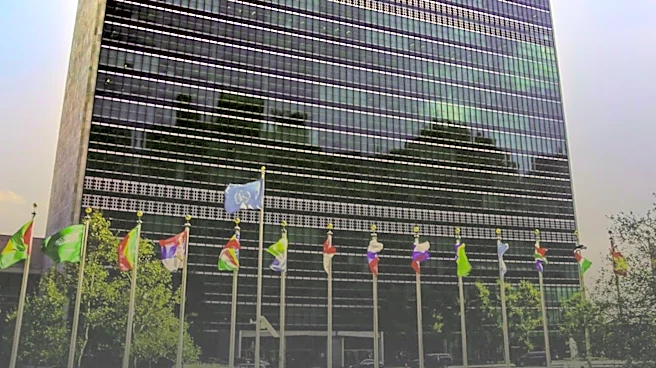
UN Secretary-General António Guterres presented the proposed program budget for 2027 to the Fifth Committee, outlining a budget of $3.302 billion, which includes 11,150 posts. This represents a reduction of approximately 1.2% or $40.8 million compared
to the approved 2026 budget. The proposal also allocates $423 million for Special Political Missions. Guterres highlighted the UN80 Initiative, which aims to enhance the Secretariat's efficiency and effectiveness through operational improvements, mandate review, and structural reforms. Key measures include consolidating administrative support functions, relocating staff to lower-cost duty stations, and reducing senior management posts. The budget also incorporates standard-cost adjustments from the outset, a change intended to provide Member States with a clearer financial picture earlier in the process. Despite geopolitical divisions, ongoing conflicts, and climate disruption, Guterres emphasized the continued necessity of the United Nations.
Why It's Important?
This budget proposal is significant as it reflects a concerted effort by the United Nations to streamline operations and achieve greater financial efficiency amidst global challenges. The 1.2% reduction in the proposed budget for 2027, coupled with the UN80 Initiative's reforms, signals a move towards more disciplined resource management. For the U.S., as a major contributor to the UN budget, these efficiency measures could be viewed positively, potentially influencing future funding discussions and demonstrating a commitment to fiscal responsibility within the international body. The emphasis on sustainable development, Resident Coordinators, and disability inclusion also aligns with broader international development goals, which often receive U.S. support. However, the Secretary-General's call for predictable financing and timely fulfillment of financial obligations by Member States underscores ongoing concerns about the UN's financial stability, an issue that has historically involved discussions with the U.S. and other member nations regarding their contributions.
What's Next?
The Fifth Committee will now deliberate on the proposed program budget for 2027. The Secretary-General's funding proposal for the Resident Coordinator System, which has been underfunded, will also be considered during the 81st session. Further proposals for structural reform and program realignment, particularly concerning the 2028 budget, are expected to be brought forward after more detailed analysis. The ongoing efforts of the UN80 Steering Committee to simplify processes and consolidate administrative services will continue, with future budget submissions incorporating decisions requiring General Assembly approval. Member States are urged to fulfill their financial obligations in full and on time to address the Organization's liquidity challenges. The implementation of the BBNJ Agreement and the Umoja NextGeneration ERP upgrade will also continue to receive support and investment.
Beyond the Headlines
The UN's push for efficiency and structural reform, as outlined in the 2027 budget proposal, extends beyond mere financial adjustments. It represents a strategic adaptation to a complex global landscape characterized by persistent conflicts, climate disruption, and the rise of artificial intelligence. The reduction in senior management posts and the consolidation of administrative functions reflect an internal drive to enhance agility and responsiveness. This internal restructuring could set a precedent for other international organizations facing similar pressures to optimize resources and demonstrate tangible impact. The focus on strengthening the link between mandates, resources, and planned results aims to improve accountability and transparency, fostering greater trust among Member States and the global public. The long-term success of these reforms will depend on sustained commitment from all stakeholders and could redefine the operational model for multilateral institutions in the 21st century.