



What's Happening?
The recent crisis in the Strait of Hormuz has significantly impacted global energy security, challenging the long-held assumption of uninterrupted access through this critical energy corridor. The disruption has led to a reassessment of risk by capital
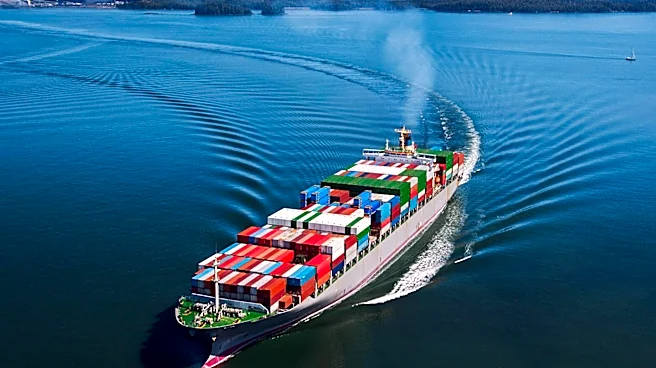
markets, governments, and energy companies. The crisis has highlighted the vulnerability of global energy supply chains and the need for resilience in energy infrastructure. The situation has caused a decline in vessel crossings and crude exports, with heightened commercial caution reflected in the disabling of Automatic Identification System transponders on tankers. The crisis underscores Iran's strategic advantage in the region, as it can impose economic costs on the global energy system without needing to physically close the Strait.
Why It's Important?
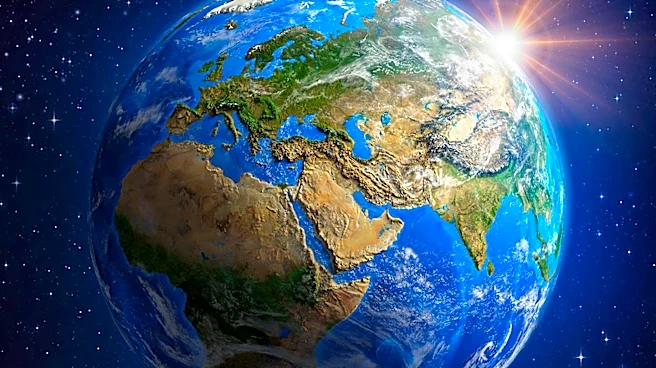
The Strait of Hormuz is a vital chokepoint for global oil and gas supplies, and any disruption can have far-reaching economic and geopolitical consequences. The crisis has prompted a reevaluation of energy security strategies, with a focus on diversifying supply routes and enhancing infrastructure resilience. This shift could lead to increased investment in alternative export routes and technologies that improve energy security. The situation also highlights the importance of geopolitical stability in maintaining global energy markets, as uncertainty can lead to increased costs and market volatility.
Beyond the Headlines
The crisis in the Strait of Hormuz may lead to a long-term shift in how energy resilience is valued alongside traditional factors like geology and cost. As markets adapt to the new reality, there may be a gradual repricing of energy assets, with regions offering resilient access to markets becoming more attractive to investors. This could result in increased investment in regions like the Atlantic Margin, where competitive resource bases are coupled with lower geopolitical risks. The situation also emphasizes the need for international cooperation in managing energy security and addressing the vulnerabilities exposed by the crisis.