
What's Happening?
Saudi Arabia has restored full oil pumping capacity through its East-West pipeline to approximately seven million barrels per day following recent attacks during the Iran conflict. The attacks had previously
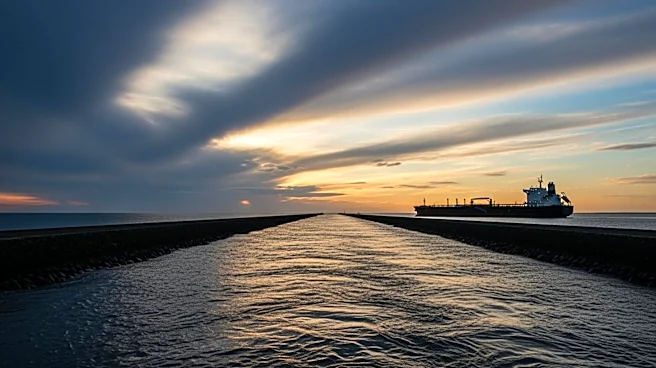
reduced oil production capacity by around 600,000 barrels per day and disrupted operations at key energy sites. The East-West pipeline serves as Saudi Arabia's sole crude export route amid the closure of the Strait of Hormuz. The kingdom has intercepted numerous Iranian missiles and drones in recent weeks, although the specific perpetrators of the attacks were not disclosed.
Why It's Important?
The restoration of the East-West pipeline's capacity is crucial for maintaining the reliability and continuity of oil supplies to both local and global markets. The attacks highlight ongoing geopolitical tensions in the region, particularly between Saudi Arabia and Iran, which can have significant implications for global energy security and market stability. The quick recovery of Saudi Arabia's oil infrastructure demonstrates the kingdom's resilience and strategic importance in the global energy landscape.
What's Next?
Saudi Arabia will continue efforts to restore full output at affected facilities, including the Khurais facility. The ongoing geopolitical tensions may lead to further disruptions, necessitating vigilance and strategic planning to ensure energy security. The international community will likely monitor developments closely, given the potential impact on global oil prices and supply chains.