





What's Happening?
Petitioners behind a ballot initiative aimed at reallocating 25% of the Portland Clean Energy Fund to hire more police officers have filed a federal lawsuit against city, county, and state elections officials. The lawsuit specifically names Tim Scott,
Multnomah County’s elections director, alleging that he and his agents improperly discarded signature sheets. The petitioners claim that signatures were rejected due to mismatches or because signatories were not registered to vote in Portland, despite some being properly registered. Earlier this month, the initiative failed to qualify for the November ballot after officials determined that only 34,130 of the submitted signatures were valid, falling short of the required 40,437. The plaintiffs are seeking a federal judge's order for a new, independent review of all collected signatures to potentially get the initiative on the November ballot. Multnomah County spokesperson Denis Theriault stated the county's commitment to transparency and rigorous review procedures but declined further comment on pending litigation.
Why It's Important?
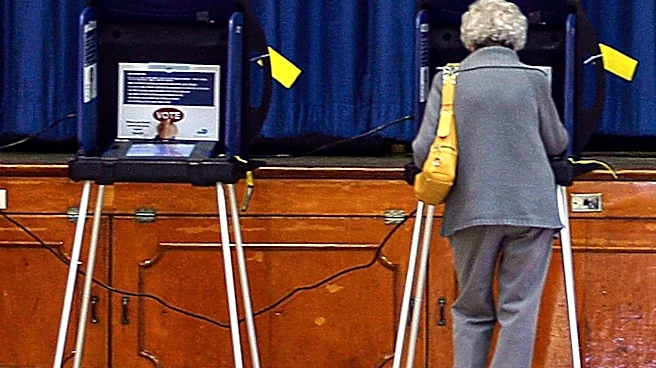
This lawsuit highlights significant concerns regarding the integrity and fairness of the ballot initiative process in Multnomah County, Oregon. The outcome could set a precedent for how signature validation is conducted and challenged in future elections, potentially influencing the accessibility of direct democracy for citizens. If the court orders an independent review and a substantial number of previously rejected signatures are deemed valid, it could undermine public trust in the current electoral oversight mechanisms. Conversely, if the court upholds the initial rejections, it would reinforce the existing procedures. The dispute also underscores the contentious nature of public funding allocation, particularly concerning law enforcement, and the challenges faced by citizen-led initiatives in navigating complex electoral regulations. The case could impact the balance of power between citizen movements and established electoral bodies, affecting how policy changes are pursued at the local level.
What's Next?
The federal lawsuit will proceed in the U.S. District Court for Oregon, where a judge will consider the petitioners' request for a new, independent review of all gathered signatures. The court's decision will determine whether the police initiative has another chance to qualify for the November ballot. Both Multnomah County and city elections officials, along with the Oregon Secretary of State, are named as defendants and will likely present their defense against the allegations of improper signature rejection. The legal proceedings could involve detailed examinations of the signature validation processes and potentially expert testimony on electoral procedures. Depending on the court's ruling, there could be an expedited review process if the judge sides with the petitioners, or the initiative could be definitively blocked from the ballot. The case may also lead to calls for reforms in signature verification protocols to prevent similar disputes in the future.
Beyond the Headlines
The lawsuit delves into the broader implications of voter disenfranchisement and the perceived arbitrary nature of electoral processes. The petitioners' claim that thousands of voters were 'disenfranchised through an arbitrary and standardless one' raises fundamental questions about the democratic right to participate in governance through ballot initiatives. Beyond the immediate goal of getting the police initiative on the ballot, the case could prompt a re-evaluation of the checks and balances within the electoral system, particularly concerning the power of election officials to reject signatures. It also touches upon the ethical considerations of how election integrity is maintained while ensuring fair access for citizen-led movements. The outcome could influence public perception of the fairness of local elections and potentially lead to legislative efforts to clarify or reform signature validation guidelines, impacting future grassroots political efforts across the state.