




What's Happening?
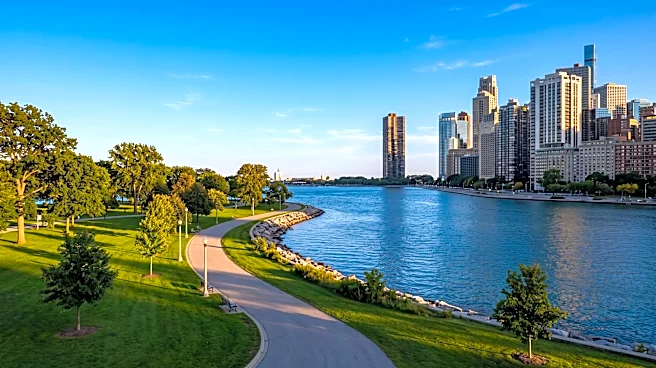
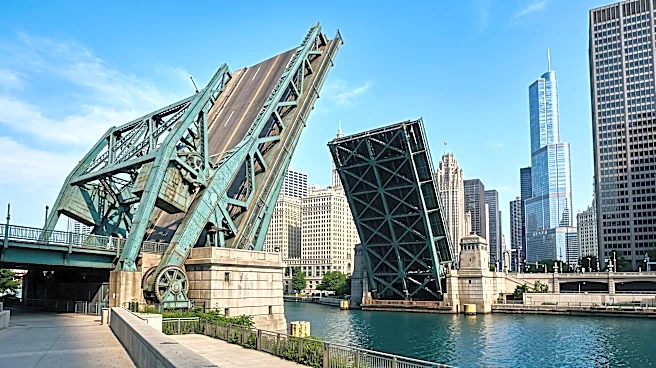
A major traffic jam occurred on DuSable Lake Shore Drive in Chicago when a bridge over the Chicago River became stuck in the 'up' position due to a heat-related issue. The incident happened around 10 a.m. during one of two scheduled bridge lifts for the day,
which are standard on Wednesdays in the summer to allow boats to pass from Lake Michigan into the Chicago River. The Chicago Department of Transportation (CDOT) reported that the bridge experienced a thermal expansion problem, preventing it from fully closing. Crews were dispatched to the scene, and firefighters used water hoses from boats to cool down the bridge in an attempt to get it functioning again. The Office of Emergency Management and Communications confirmed that DuSable Lake Shore Drive was finally reopened at 2:30 p.m., approximately four and a half hours after the initial lift. The malfunction caused significant delays and confusion for drivers, with some reporting being stuck for an hour or more. The incident occurred amidst a heat advisory for the Chicago area, with heat index levels expected to reach between 100 and 110 degrees.
Why It's Important?
This event underscores the vulnerability of urban infrastructure to extreme weather conditions, particularly heat. As climate change leads to more frequent and intense heatwaves, cities like Chicago, with their aging infrastructure, may face increasing challenges in maintaining essential services and transportation networks. The disruption on DuSable Lake Shore Drive, a major artery, highlights the significant economic and social costs associated with unexpected infrastructure failures. Commuters faced prolonged delays, impacting productivity and personal schedules. For businesses, such disruptions can affect logistics, deliveries, and employee punctuality. The incident also brings to light the need for cities to invest in infrastructure upgrades and climate resilience measures, including monitoring systems that can predict and mitigate heat-related issues in bridges and other critical components. The reliance on manual interventions, such as hosing down the bridge, suggests a potential gap in modern preventative maintenance or adaptive technologies for older structures.
What's Next?
CDOT crews will likely continue to investigate the specific cause of the thermal expansion and assess the bridge's condition to prevent future malfunctions. Given the ongoing heat advisory, city officials may need to implement additional precautionary measures for other movable bridges in Chicago. This incident could prompt a review of maintenance protocols for aging infrastructure, especially in the context of rising temperatures. There might be discussions about investing in new technologies, such as advanced sensors or materials, that can better withstand thermal stress or provide early warnings of potential issues. For commuters, residual delays could continue into the evening rush hour, and they are advised to seek alternate routes. The event serves as a reminder for urban planners and policymakers to consider the impacts of climate change on infrastructure design, maintenance, and emergency response strategies to ensure urban resilience.
Beyond the Headlines
The bridge malfunction in Chicago offers a glimpse into the broader implications of climate change on urban living and infrastructure. Beyond the immediate traffic snarls, it highlights how seemingly minor environmental shifts can cascade into significant operational challenges for complex urban systems. The incident could spark a wider conversation about the long-term sustainability of existing infrastructure in the face of a changing climate. It also raises questions about the economic burden of maintaining and upgrading these systems, and how cities will fund such necessary adaptations. The reliance on an 'old bridge' as a contributing factor, as noted by a civil engineering professor, points to the systemic issue of deferred maintenance and the need for proactive investment in infrastructure. This event could serve as a catalyst for Chicago and other major U.S. cities to accelerate their efforts in climate adaptation planning, focusing on making critical infrastructure more resilient to extreme weather events and ensuring the continuity of urban life.