





What's Happening?
Congresswoman Delia Ramirez (IL-03), alongside fellow Congressmembers Jesús “Chuy” García (IL-04), Mike Quigley (IL-05), and Jonathan Jackson (IL-01), as well as local officials and immigration advocacy groups, held a press conference in Chicago. The
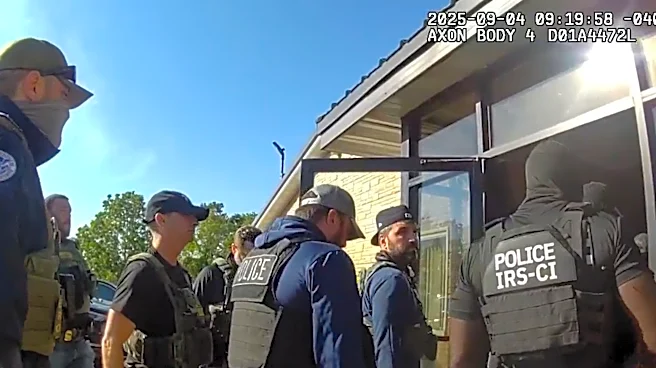
event marked the one-year anniversary of 'Operation Midway Blitz,' a Department of Homeland Security (DHS) enforcement action in Chicago. Congresswoman Ramirez stated that DHS 'REMAINS the biggest threat to our collective safety' and called for holding accountable those who permitted and profited from DHS's violence, abolishing ICE, and dismantling DHS. The coalition demanded concrete action on immigration reform, including a vote on the Dream and Promise Act, and full accountability from local and federal authorities for the terror inflicted on communities during the operation. Other speakers, including Congressman García, highlighted the community's resilience against what they described as the Trump administration's attempt to 'break us and take away our dignity' through masked federal agents. Congressman Quigley specifically criticized the operation for targeting individuals rather than criminals, citing instances of kidnappings, tear-gassing elementary schools, and a fatality.
Why It's Important?
This event underscores ongoing tensions and deep-seated concerns regarding federal immigration enforcement practices and their impact on local communities. The call to abolish ICE and dismantle DHS by a sitting U.S. Congresswoman signifies a significant push from progressive factions within the Democratic Party for radical reform of immigration agencies. Such demands reflect a broader national debate on immigration policy, human rights, and the scope of federal power. For immigrant communities, particularly in cities like Chicago, these actions by federal agencies can foster fear and distrust, affecting their daily lives and integration into society. The emphasis on accountability for past actions also highlights a desire to prevent similar operations in the future and to ensure that federal agencies operate within perceived ethical and legal boundaries. The coalition's demand for a vote on the Dream and Promise Act further illustrates the urgency felt by advocates to provide legal pathways and protections for undocumented immigrants, particularly those brought to the U.S. as children.
What's Next?
The coalition's call for action on immigration reform, including forcing a vote on the Dream and Promise Act, indicates a continued legislative push in Congress. As Congresswoman Ramirez mentioned regaining the majority next year, this suggests a potential for renewed efforts to advance their agenda, including measures to reform or dismantle immigration enforcement agencies. Local and federal authorities, including the Cook County State's Attorney, will likely face continued pressure for accountability regarding the events of 'Operation Midway Blitz.' Advocacy groups and community organizations are expected to maintain their vigilance and continue organizing to protect immigrant communities and push for policy changes. The ongoing debate surrounding immigration enforcement and the future of agencies like ICE and DHS will likely remain a prominent issue in national political discourse, especially as the next election cycle approaches and parties solidify their stances on immigration.
Beyond the Headlines
The strong rhetoric used by Congresswoman Ramirez, calling for the dismantling of DHS and the abolition of ICE, reflects a growing ideological divide within the U.S. political landscape regarding national security and immigration. This goes beyond policy adjustments, touching upon fundamental questions about the role and structure of federal agencies responsible for border security and internal enforcement. The framing of DHS as 'the biggest threat to our collective safety' by a U.S. lawmaker highlights a significant shift in how some view these institutions, moving from protectors to perceived oppressors. This perspective challenges the traditional narrative of national security and could lead to deeper discussions about the balance between security, civil liberties, and human rights. The long-term implications could include a re-evaluation of the post-9/11 security apparatus and a push for a more community-centric approach to public safety that prioritizes integration and support over enforcement and detention.