



What's Happening?
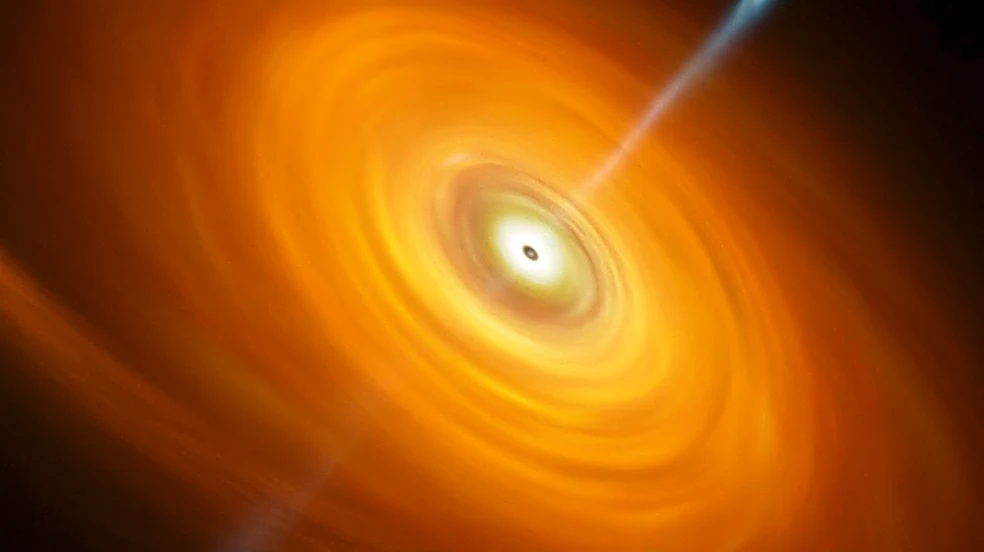
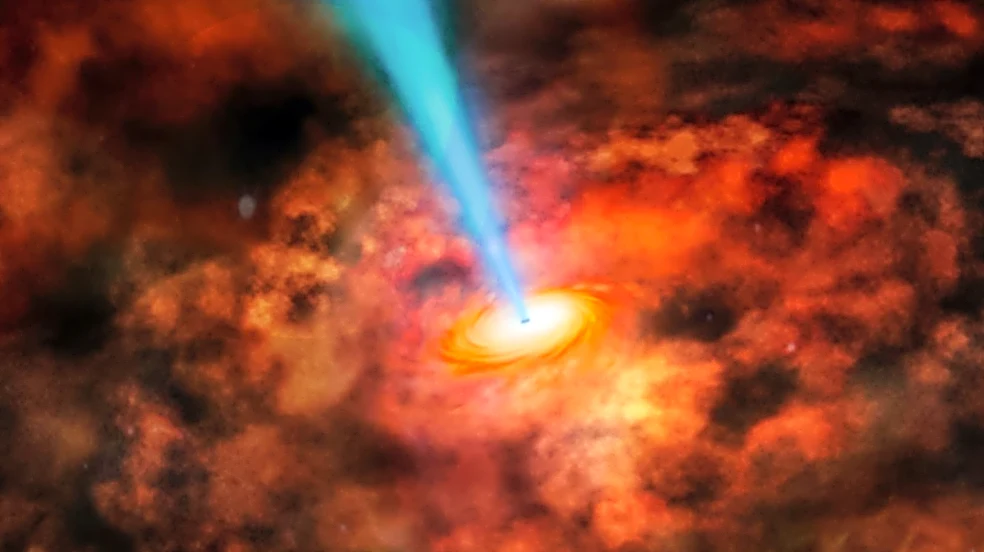
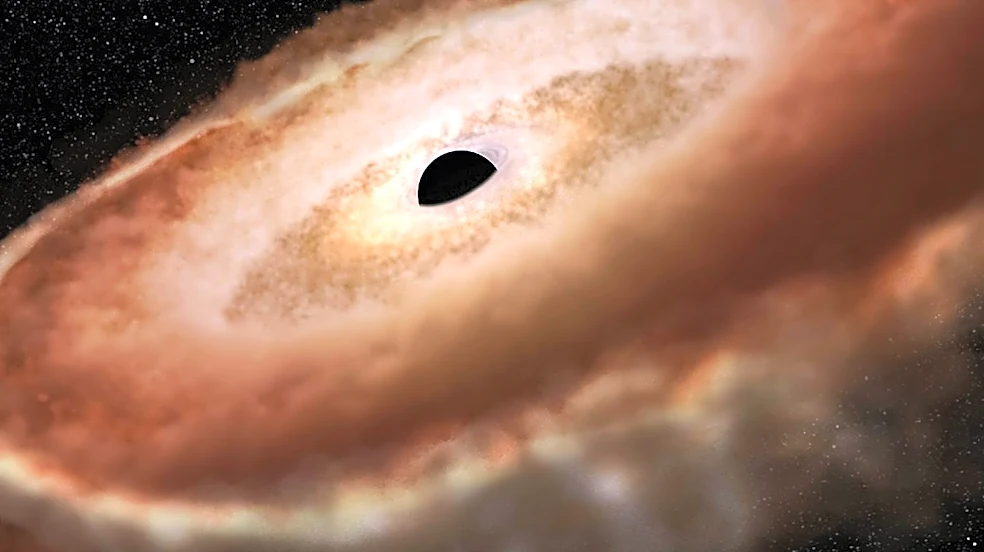
A recent astronomical study, detailed in an article by AAS Nova, has categorized black holes into distinct 'life stories' based on their growth and interaction within galaxies. Among these categories are 'normal centrals,' which are described as the 'homebodies'
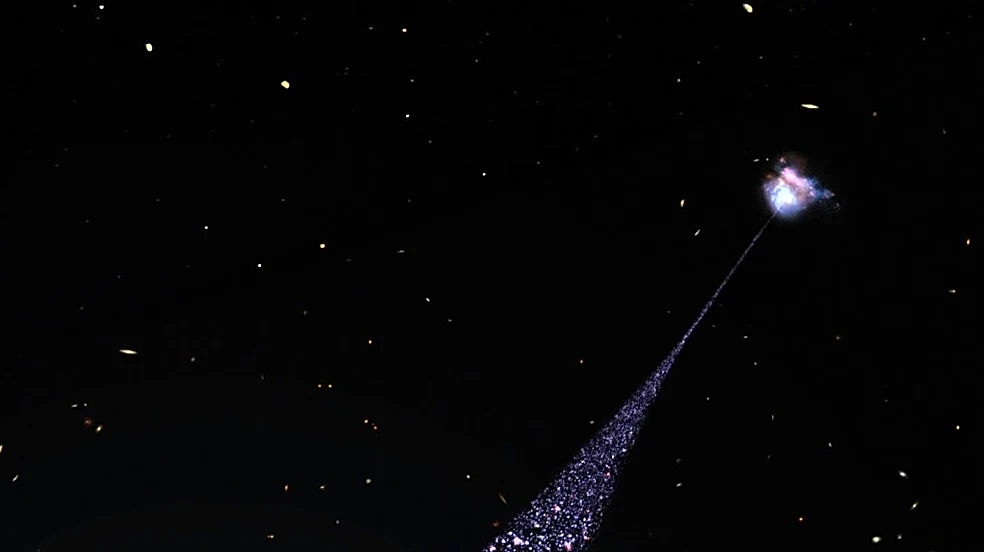
of the black hole universe. These black holes reside at the center of primary or satellite galaxies and grow steadily alongside their host galaxies through a combination of accretion and occasional mergers. The study utilized two cosmological simulations, ASTRID and TNG300, to trace black hole and galaxy growth across different environments. This research challenges previous assumptions that primarily focused on central black holes, by also examining satellite and wandering black holes, providing a more comprehensive understanding of their evolution.
Why It's Important?
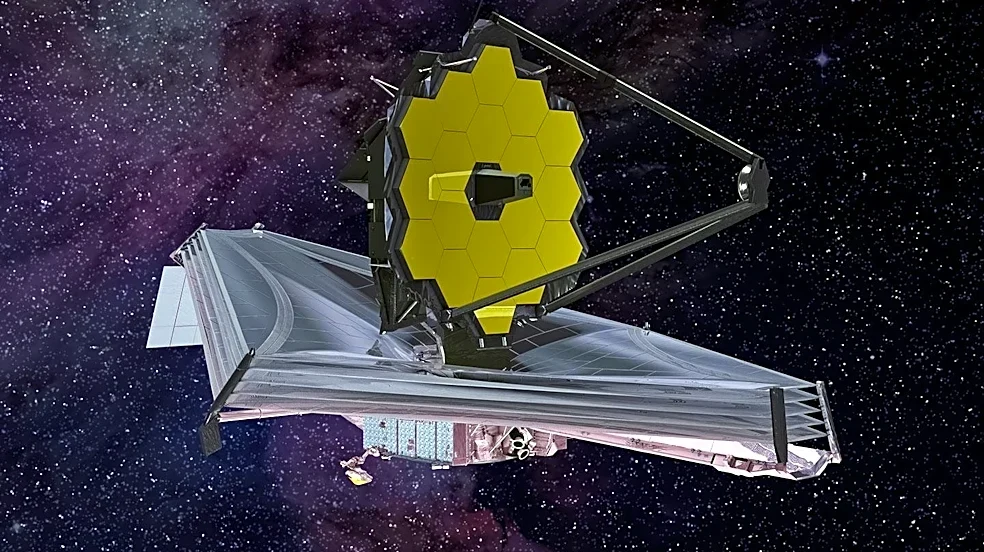
This research is important because it refines our understanding of how black holes and galaxies co-evolve, a fundamental process in the universe. By identifying 'homebody' black holes and other categories, scientists can better model the universe's history and predict its future. The distinction between different types of black holes—normal centrals, high-mass centrals, stripped satellites, and wanderers—reveals that not all black holes follow the same evolutionary path. This nuanced view helps explain discrepancies observed in the early universe, such as the existence of suspiciously large black holes. For the scientific community, this provides a more robust framework for interpreting observational data from telescopes like JWST and for developing more accurate cosmological simulations, ultimately advancing our knowledge of cosmic structures and their formation.
What's Next?
Future research will likely delve deeper into the mechanisms driving the distinct 'life stories' of black holes, particularly the 'homebody' normal centrals. Scientists will aim to further validate these categories through additional observational data and more sophisticated simulations. The study's findings will inform the development of new theoretical models that account for the diverse evolutionary paths of black holes and their host galaxies. This could lead to a better understanding of phenomena such as star formation quenching and the growth of supermassive black holes. Continued analysis of data from advanced telescopes will be crucial in confirming the predictions made by these simulations and in uncovering even more intricate details about the universe's evolution, potentially revealing new categories or refining existing ones.
Beyond the Headlines
The concept of 'homebody' black holes offers a fascinating parallel to human societal structures, where individuals (or in this case, celestial objects) thrive within stable, familiar environments. This study highlights that even in the vast and dynamic cosmos, stability and consistent growth are possible for certain entities. It underscores the idea that a black hole's 'hometown'—its host galaxy—profoundly influences its destiny, much like an individual's upbringing shapes their life. This perspective encourages a more holistic view of cosmic evolution, where the interplay between a black hole and its galactic environment is as crucial as its intrinsic properties. The research also implicitly raises questions about the 'personalities' of celestial objects, inviting a more imaginative and relatable understanding of complex astrophysical processes, making the abstract concepts of black hole evolution more accessible and intriguing to a broader audience.