



What's Happening?
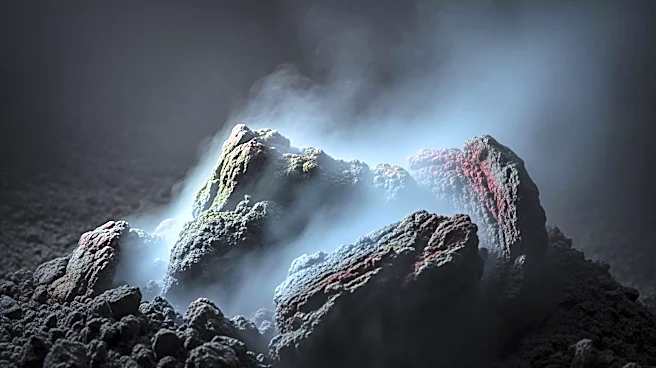
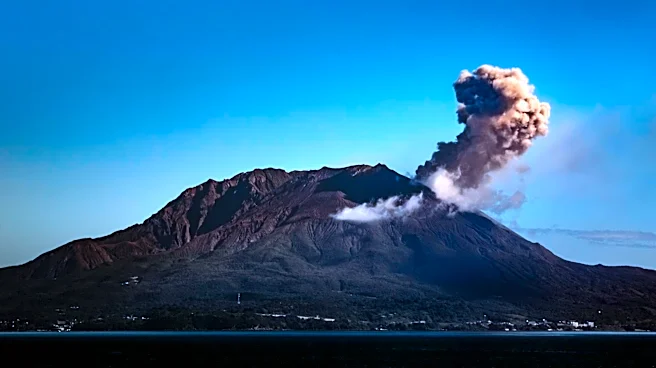
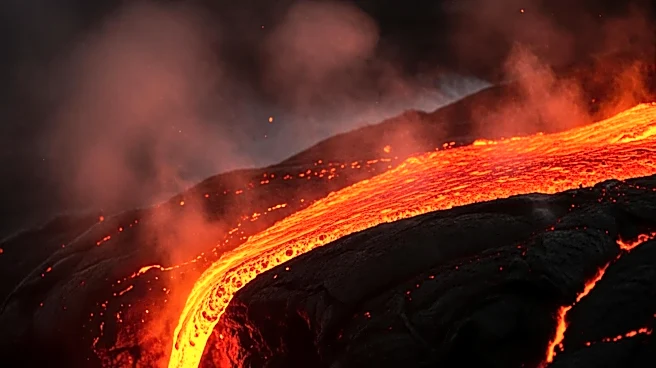
A recent study has revealed that the 2022 Hunga Tonga-Hunga Ha'apai volcanic eruption in the South Pacific had a unique impact on atmospheric methane levels. Scientists observed that the eruption's massive plume of ash and gas led to the rapid destruction
of methane, a potent greenhouse gas. This phenomenon was detected through satellite imagery, which showed high concentrations of formaldehyde, indicating that methane was being broken down by chlorine radicals formed in the volcanic plume. The study, led by atmospheric scientist Maarten van Herpen, highlights a previously unknown natural process where volcanic ash contributes to atmospheric methane reduction.
Why It's Important?
The discovery of this natural methane destruction process is significant as it offers insights into atmospheric chemistry and potential methods for reducing greenhouse gases. Methane is a major contributor to global warming, and understanding natural processes that mitigate its presence could inform future climate change strategies. The study suggests that chlorine-mediated methane cleanup might be feasible, providing a new avenue for reducing atmospheric methane levels. This research could influence environmental policies and inspire technological innovations aimed at replicating these natural processes to combat climate change.