





What's Happening?
A new global analysis published by the American Chemical Society (ACS) in Environmental Science & Technology indicates that approximately one-quarter of the world's data centers are situated in regions where water demand surpasses supply for at least
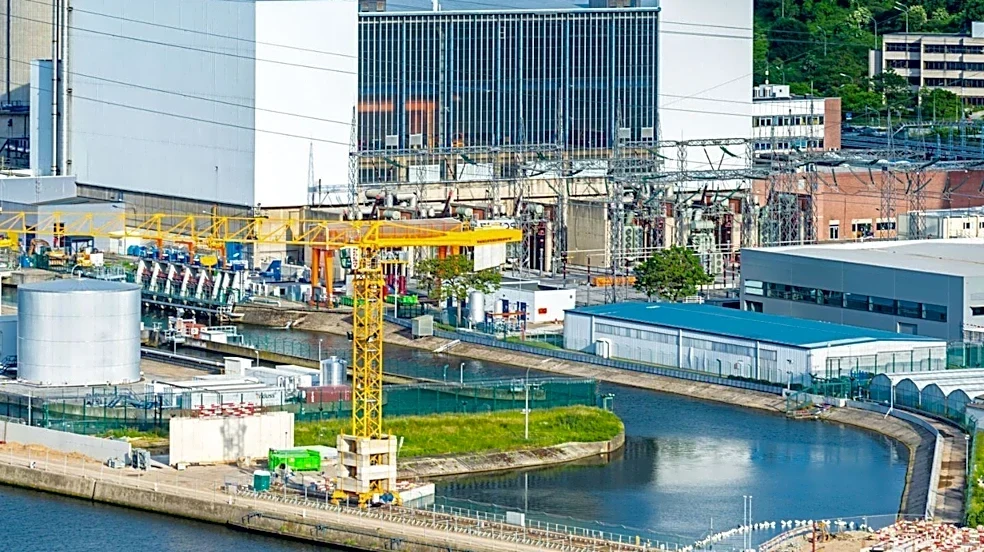
one month annually. The study, led by Lorenzo Rosa, mapped 9,347 operational data centers against local water availability and demand from various sectors including municipalities, agriculture, manufacturing, and power generation. The findings show that cities and municipalities are the largest water users near 41% of data centers, while agriculture is the primary consumer near another 28%. The research highlights that these facilities, crucial for artificial intelligence technologies, consume significant amounts of water for cooling, drawing from the same local sources as communities and industries. The study emphasizes that unlike energy, water resources for data centers are locally sourced and subject to seasonal and annual variations.
Why It's Important?
This research is important because it uncovers a significant and growing environmental challenge for the United States, which hosts 39% of the global data centers. The reliance of data centers on substantial water volumes for cooling, particularly in areas already experiencing water stress, poses a direct threat to local water resources. This could lead to increased competition for water among data centers, urban populations, and agricultural sectors, potentially exacerbating existing water scarcity issues. The economic implications are substantial, as water shortages could disrupt data center operations, leading to higher operational costs, potential service interruptions, and a need for costly alternative cooling methods or relocation. Furthermore, the study underscores the need for more comprehensive water management strategies in the tech industry, as the current focus has largely been on energy footprints rather than water consumption. The findings suggest that without proactive measures, the expansion of data centers could place immense pressure on critical water supplies, impacting public health, agricultural output, and industrial stability in affected regions.
What's Next?
Looking ahead, the study projects that under a future climate scenario with global temperatures averaging 5.4 degrees Fahrenheit (3 degrees Celsius) warmer than in 1900, the proportion of data centers in water-stressed areas could rise to one-third. Most of the additional facilities affected by this increased water stress are located in the U.S. This projection necessitates immediate attention from policymakers, data center operators, and local communities. Future steps will likely involve developing and implementing more robust water management and conservation plans for data centers, potentially including the adoption of more water-efficient cooling technologies or the exploration of alternative water sources. Stakeholders, including political leaders and civil society groups, will need to engage in discussions about sustainable data center siting and operations, considering the long-term availability of water resources. The findings also suggest a need for more consistent and localized measurement and reporting of water scarcity by data centers, similar to how energy consumption is tracked, to inform better decision-making and mitigate future water crises.
Beyond the Headlines
The deeper implications of this study extend beyond immediate water scarcity concerns, touching upon ethical and long-term societal shifts. The concentration of data centers in water-stressed regions raises ethical questions about resource allocation and environmental justice, particularly as these facilities often serve global digital demands while impacting local water supplies. This situation could trigger a re-evaluation of the environmental footprint of the digital economy, pushing for greater transparency and accountability from tech companies regarding their resource consumption. Culturally, it may foster a greater public awareness of the hidden costs of digital infrastructure, potentially leading to consumer pressure for more sustainable practices. In the long term, this development could accelerate innovation in water conservation technologies and drive a paradigm shift in how industries, especially the tech sector, integrate environmental sustainability into their core business models. It also highlights the interconnectedness of climate change, technological advancement, and resource management, suggesting that future economic growth must be intrinsically linked to ecological stewardship.