






What's Happening?
The World Health Organization (WHO) has escalated the risk level of the Ebola outbreak in the Democratic Republic of the Congo to 'very high' due to a rapid increase in cases. The outbreak, which began in May 2026, has resulted in nearly 750 suspected
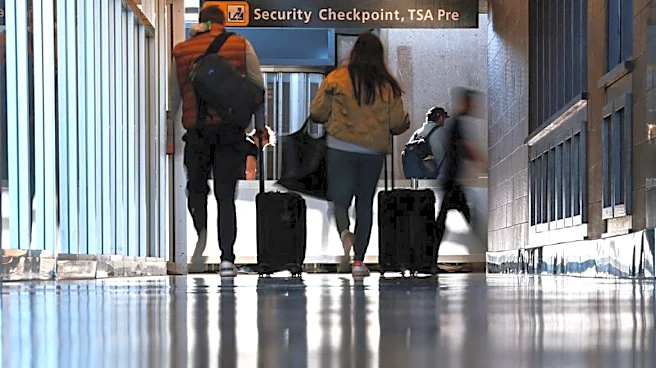
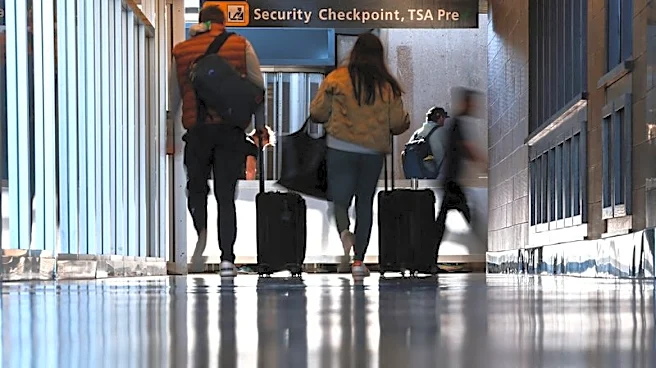
cases and 177 deaths, making it one of the largest on record. In Uganda, five cases have been confirmed, including a health worker and a Congolese woman who traveled through the country. The U.S. has pledged $23 million to aid the crisis response in both countries. The Centers for Disease Control and Prevention (CDC) has issued a travel ban for non-U.S. passport holders from affected regions and is coordinating with international partners to manage potential exposures.
Why It's Important?
The escalation of the Ebola outbreak poses significant public health challenges, particularly in regions with limited healthcare infrastructure. The rapid spread of the virus increases the risk of cross-border transmission, potentially affecting global health security. The U.S. travel ban and increased funding highlight the international community's concern over the outbreak's potential to spread beyond Africa. The situation underscores the need for robust global health systems capable of responding to such crises, as well as the importance of international cooperation in managing infectious disease outbreaks.
What's Next?
The WHO and CDC are likely to continue monitoring the situation closely, with potential for further international travel restrictions if the outbreak worsens. Efforts will focus on containment and prevention, including enhanced screening at international airports and increased support for affected regions. The international community may need to mobilize additional resources to support healthcare systems in the Democratic Republic of the Congo and Uganda, ensuring they can effectively manage and contain the outbreak.