



What's Happening?
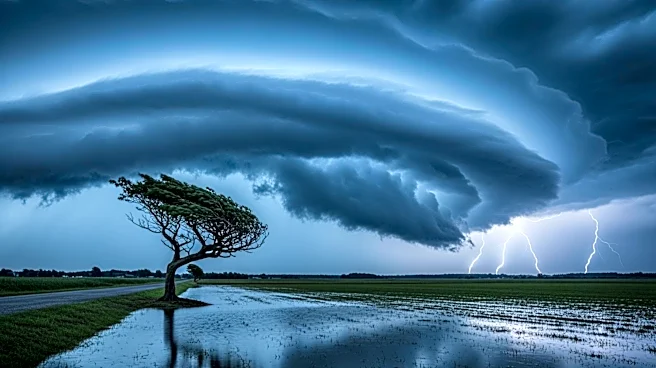
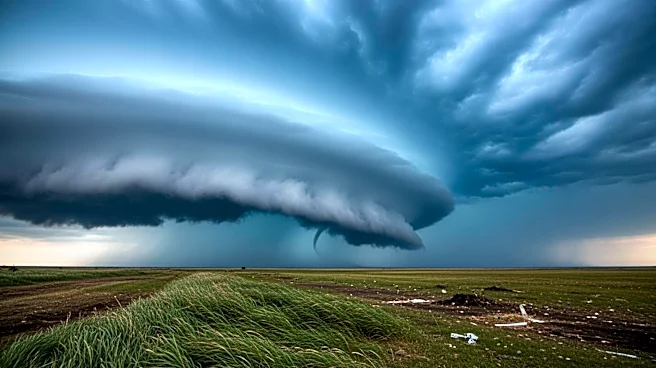
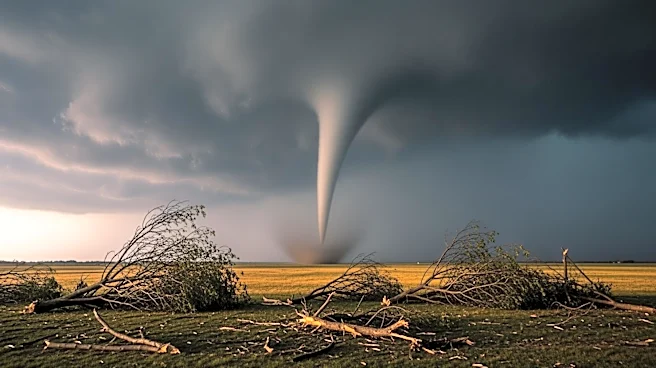
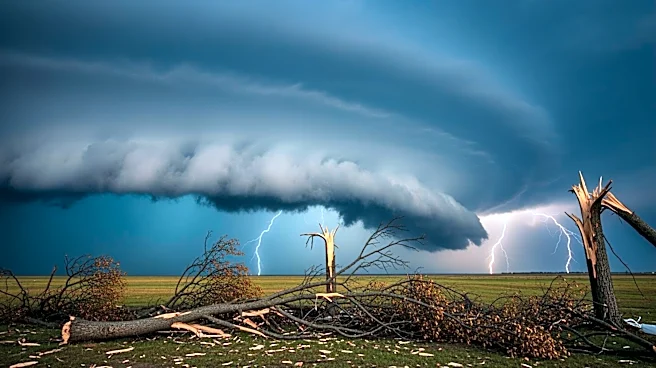
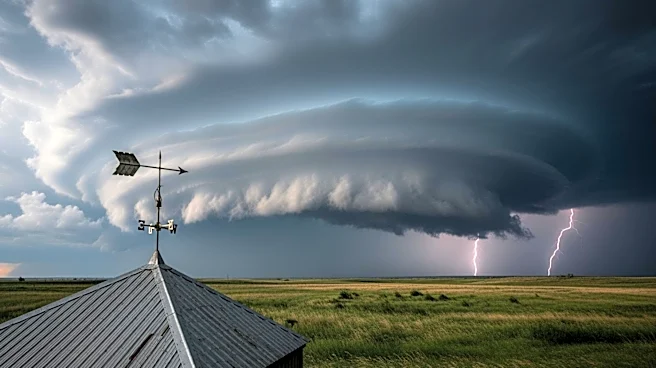
Severe storms have been impacting the Midwest, particularly Wisconsin and Michigan, with heavy rain, lightning, and tornadoes. Wisconsin Governor Tony Evers declared a state of emergency following the confirmation of at least three tornadoes in the state.
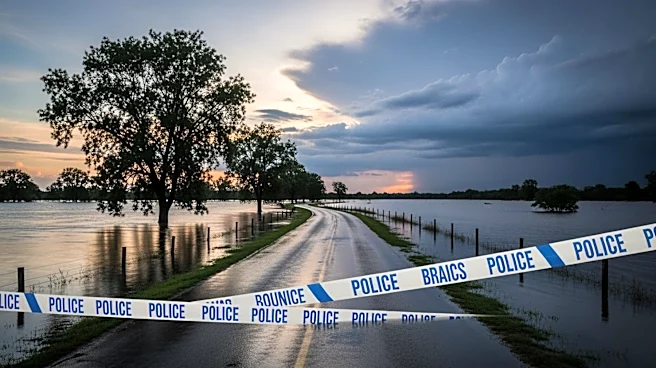
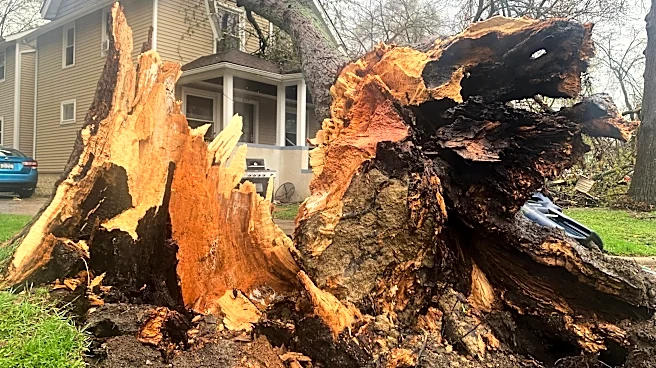
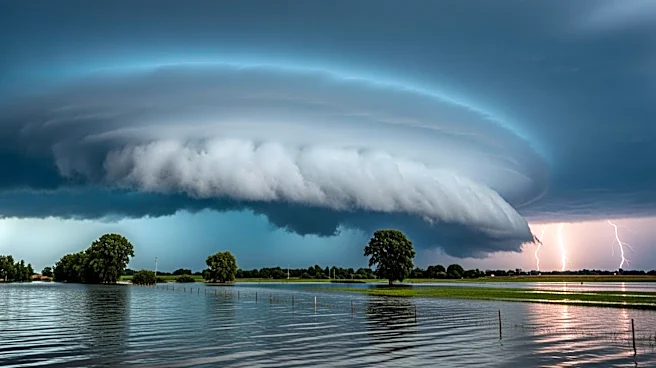
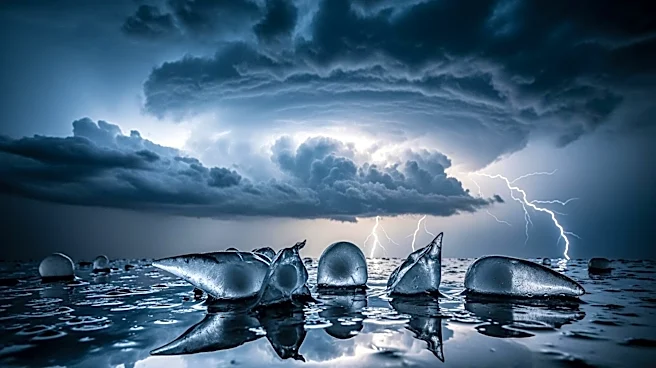
The storms have resulted in significant damage, including flooding and structural damage in Michigan, where two ice arenas were affected. The National Weather Service reported over 1,100 incidents of large hail, strong winds, and tornadoes. A man in Wisconsin died after being struck by lightning. The weather pattern, characterized by moist air and a strong jet stream, has affected states from Texas to the Great Lakes, with more severe weather expected in the coming days.
Why It's Important?
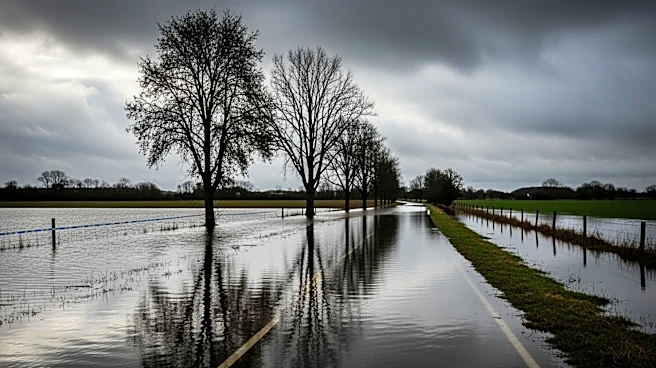
The severe weather poses significant risks to public safety and infrastructure in the affected regions. The declaration of a state of emergency in Wisconsin highlights the seriousness of the situation, as local governments mobilize resources to address the damage and prevent further harm. The storms have disrupted daily life, with flooding leading to road closures and power outages. The economic impact could be substantial, affecting local businesses and agriculture. The ongoing severe weather underscores the need for preparedness and effective emergency response systems to mitigate the effects of such natural disasters.
What's Next?
The storm system is expected to continue affecting the Midwest and could extend into the early weekend. Meteorologists are monitoring the situation closely, with teams surveying damage to assess the number of tornadoes. Residents in affected areas are advised to stay informed about weather updates and take necessary precautions. The state of emergency allows for the deployment of additional resources to assist in recovery efforts. As the storm system moves, other states may also experience severe weather, necessitating vigilance and preparedness across the region.