
What's Happening?
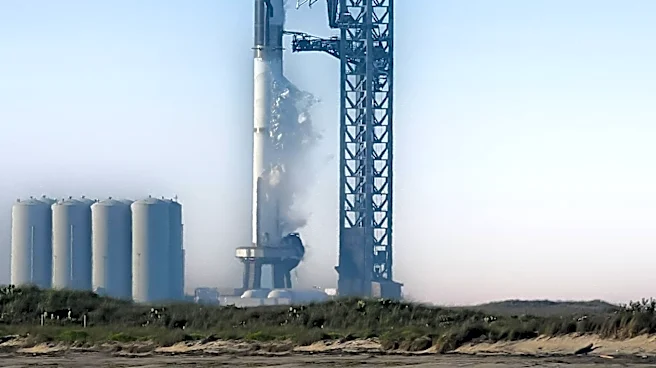
Indigenous groups and conservationists are opposing SpaceX's land swap deal in South Texas, which involves exchanging 727 acres of public land for 683 acres owned by SpaceX. The land in question is part
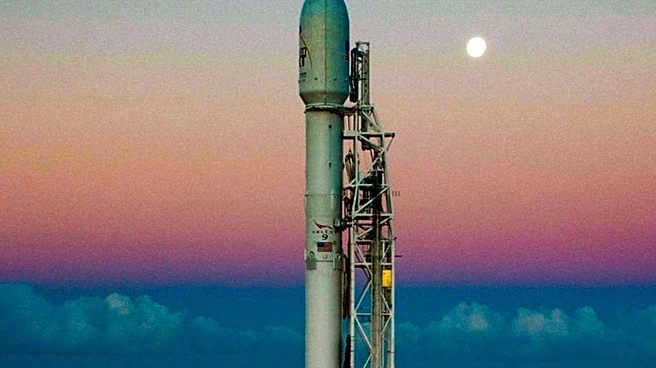
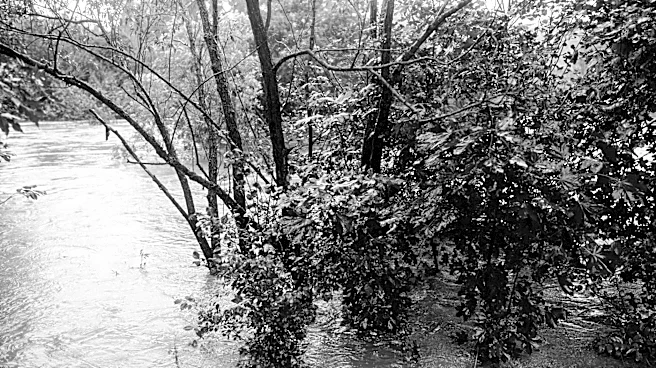
of the Lower Rio Grande Valley National Wildlife Refuge, and the swap has been criticized for potentially degrading the refuge and violating laws such as the National Wildlife Refuge System Improvement Act. A coalition has filed an emergency injunction to halt the land transfer, arguing that it threatens wildlife and historic sites. The land swap is intended to support SpaceX's Starship launch operations at its Starbase site.
Why It's Important?
The controversy surrounding SpaceX's land swap highlights the tension between technological advancement and environmental conservation. The land swap could have significant implications for the local ecosystem, as the refuge is home to diverse wildlife. The legal challenge underscores the importance of balancing industrial development with environmental protection and respecting indigenous and historical sites. The outcome of this case could set a precedent for how similar land deals are handled in the future, influencing policy decisions related to land use and conservation.
What's Next?
The court's decision on the emergency injunction will determine whether the land swap proceeds. If the injunction is granted, it could delay or halt SpaceX's plans for expanding its operations in South Texas. The case may also prompt further scrutiny of land deals involving public lands and private corporations, potentially leading to changes in how such transactions are regulated. Stakeholders, including environmental groups and indigenous communities, will continue to advocate for the protection of the refuge and its wildlife.