










What's Happening?
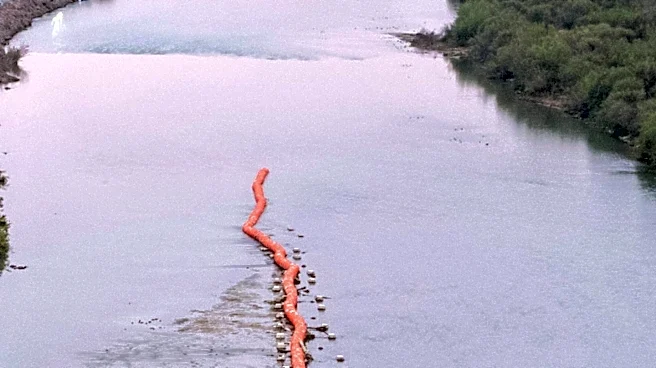
The owners of the Keystone Pipeline System have reached a settlement with the Environmental Protection Agency (EPA) and the state of Kansas, agreeing to pay over $26 million in damages for an oil spill that occurred in 2022. The spill, which released
more than 543,000 gallons of oil into Mill Creek in Washington County, Kansas, resulted in significant environmental damage, including the death or harm of over 2,700 animals. The settlement, announced on July 10, 2026, includes a commitment from the pipeline owners, South Bow (USA) LP and South Bow Infrastructure Operations Inc., to undertake measures to prevent future leaks, estimated to cost around $40 million. Additionally, the companies will pay approximately $3 million to Kansas for natural resource restoration projects. The agreement follows a complaint filed by the federal government and Kansas under the Clean Water Act, and it is subject to a 30-day public comment period.
Why It's Important?
This settlement underscores the significant environmental and legal repercussions of oil spills, particularly those involving major infrastructure like the Keystone Pipeline. The financial penalties and required preventive measures highlight the regulatory emphasis on pipeline integrity and environmental protection. For the oil industry, this case serves as a reminder of the potential costs associated with environmental compliance failures. The settlement also reflects the broader governmental and public demand for accountability and improved safety standards in energy infrastructure. The financial and operational commitments by South Bow indicate a shift towards more stringent oversight and maintenance practices, which could influence industry standards and regulatory policies moving forward.
What's Next?
The settlement is pending a 30-day public comment period, after which it may be finalized. South Bow is expected to begin implementing the agreed-upon measures to prevent future leaks, including extensive inspections and maintenance of the pipeline system. The company will also submit regular progress reports to the EPA. The outcome of this case could prompt other pipeline operators to reassess their safety and maintenance protocols to avoid similar legal and financial consequences. Additionally, environmental groups and policymakers may use this case to advocate for stricter regulations and oversight of pipeline operations across the United States.