






What's Happening?
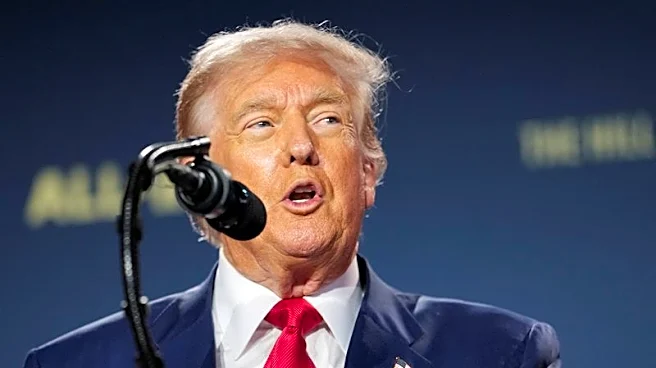
President Trump has delayed the signing of a $14 billion arms deal with Taiwan, which was recently approved by Congress. This decision comes after a summit with Chinese leader Xi Jinping, where Taiwan was highlighted as a critical issue in U.S.-China
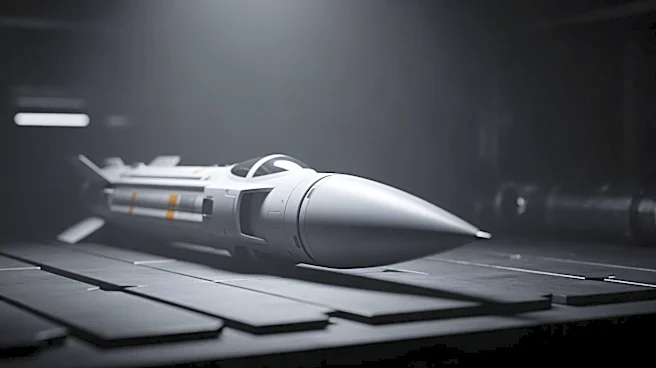
relations. The delay is being used as a negotiating tool in discussions with China, according to President Trump. The arms deal, which includes air defense systems and drone countermeasures, is part of the U.S.'s commitment under the Taiwan Relations Act to provide Taiwan with defensive weapons. Despite the delay, Taiwan's Defense Ministry has not been officially notified of any changes. The delay is partly attributed to the Pentagon's need to ensure sufficient weapons for the ongoing conflict with Iran.
Why It's Important?
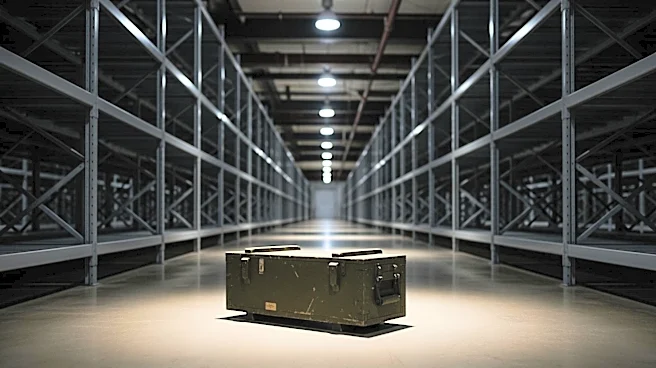
The delay in the arms deal is significant as it reflects the complex dynamics of U.S.-China relations, particularly concerning Taiwan. The arms sales are a critical component of Taiwan's defense strategy against potential aggression from China, which claims Taiwan as its territory. The delay could impact Taiwan's military readiness and its ability to defend itself. Additionally, the decision underscores the strategic use of arms sales in diplomatic negotiations, highlighting the U.S.'s balancing act between supporting Taiwan and managing its relationship with China. The situation also points to broader issues in U.S. arms production and delivery, with a significant backlog of weapons awaiting delivery to Taiwan.
What's Next?
The delay in the arms deal could lead to further diplomatic discussions between the U.S. and China, as well as internal debates within the U.S. regarding its commitments to Taiwan. The situation may also prompt Taiwan to explore alternative defense strategies, such as increasing domestic production of asymmetric weaponry. The ongoing conflict with Iran and its impact on U.S. military resources could further complicate the timeline for arms deliveries to Taiwan. Observers will be watching for any changes in U.S. policy or additional delays that could affect Taiwan's defense capabilities.