






What's Happening?
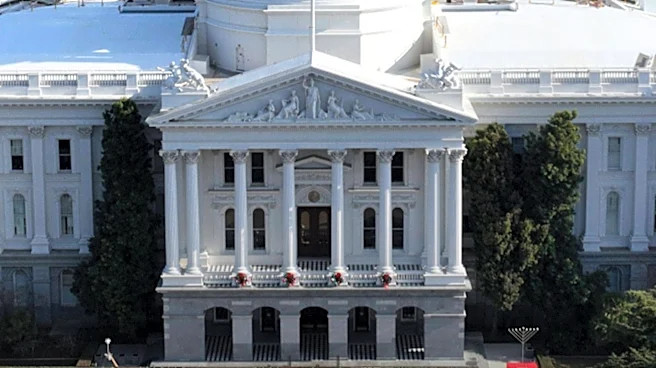
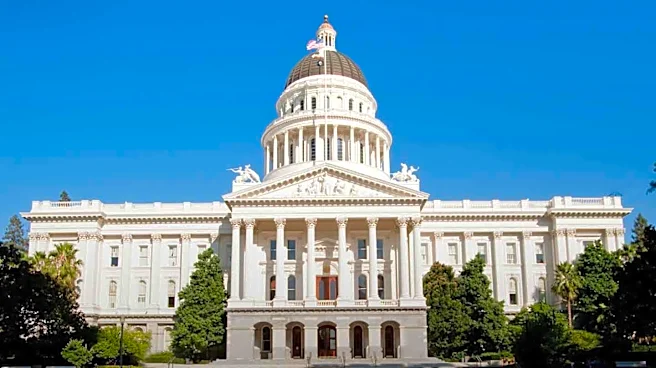
A groundbreaking ceremony was held at Capitol Park in Sacramento, marking the beginning of construction for a permanent memorial dedicated to the victims and survivors of California's devastating wildfires. California State Senator Mike McGuire joined
wildfire survivors and state leaders on October 13 to initiate the project. The memorial aims to provide a lasting space for reflection and remembrance for families and communities profoundly affected by these natural disasters. The concept for the memorial emerged following the severe wildfire seasons of 2017 and 2018, which included major incidents like the Carr Fire in Shasta County and the Camp Fire in Butte County. The design of the memorial will incorporate plants and biochar sourced from wildfire-affected areas, creating a direct and poignant connection to the landscapes and communities that have endured these tragedies.
Why It's Important?
The establishment of a permanent wildfire memorial is a significant step in acknowledging the profound and widespread impact of California's wildfires. These fires have not only caused immense loss of life and property but have also left deep emotional scars on countless individuals and communities. A dedicated space for remembrance provides a crucial outlet for collective grieving, healing, and honoring those who have suffered. It serves as a tangible symbol of resilience and a reminder of the ongoing challenges posed by wildfires in the state. By integrating elements from affected areas, the memorial fosters a sense of shared experience and connection, reinforcing community bonds. This initiative also highlights the increasing frequency and intensity of wildfires, underscoring the need for continued efforts in prevention, response, and support for affected populations.
What's Next?
Construction of the permanent wildfire memorial at Capitol Park will proceed following the groundbreaking. The project will involve the careful integration of design elements, including plants and biochar from wildfire-affected regions, to create a meaningful and reflective space. Community engagement may continue throughout the construction phase to ensure the memorial truly represents the experiences of survivors and victims' families. Once completed, the memorial will become a public site for remembrance, potentially hosting annual events or ceremonies to honor those impacted by wildfires. The ongoing development of this memorial could also inspire similar initiatives in other states or regions grappling with the increasing threat of natural disasters, fostering a broader movement towards public acknowledgment and support for affected communities.
Beyond the Headlines
Beyond its immediate function as a place of remembrance, the wildfire memorial carries deeper implications for how society processes and responds to environmental crises. The use of biochar and plants from fire-affected areas transforms remnants of destruction into symbols of renewal and resilience, offering a powerful narrative of hope amidst devastation. This artistic and ecological integration can serve as an educational tool, raising awareness about the long-term consequences of wildfires and the importance of environmental stewardship. The memorial also implicitly acknowledges the psychological and emotional toll of these events, providing a space for collective trauma to be recognized and processed. It represents a cultural shift towards publicly commemorating the impacts of climate-related disasters, integrating them into the historical and emotional landscape of the state.