




What's Happening?
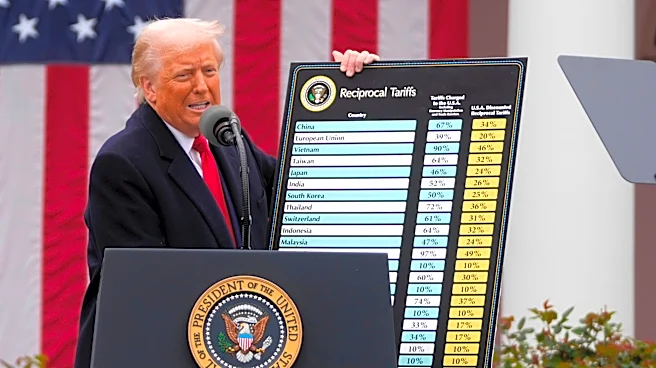
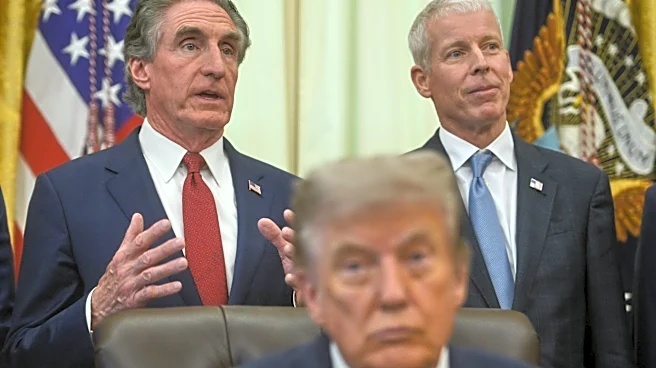
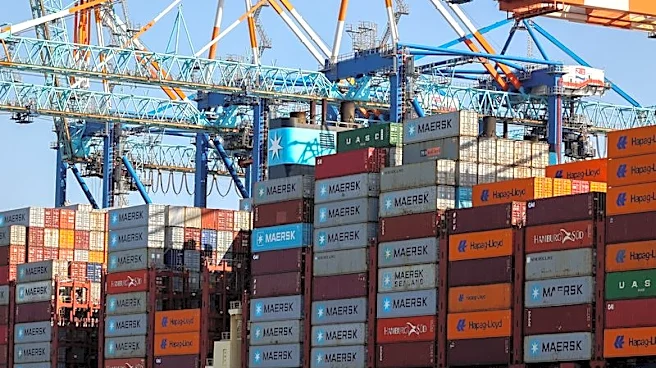
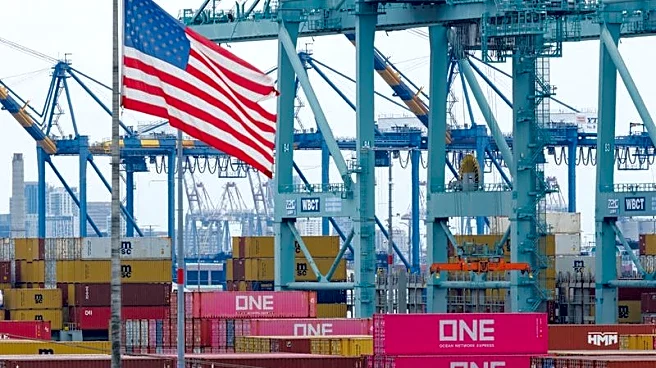
President Trump has imposed new tariffs on goods from over 80 countries, citing their failure to prohibit forced labor practices. These tariffs, enacted under Section 301 of the Trade Act of 1974, cover 99.4% of U.S. trade. However, the move has already
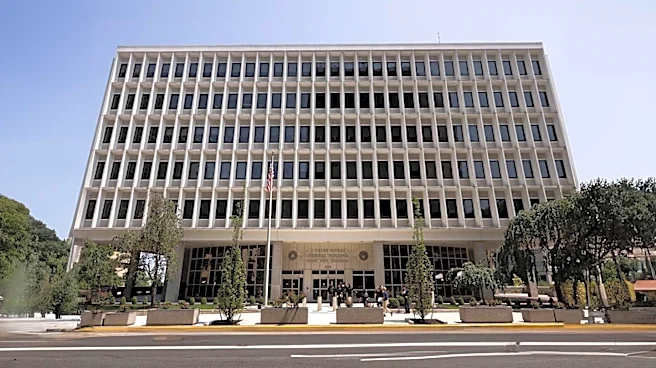
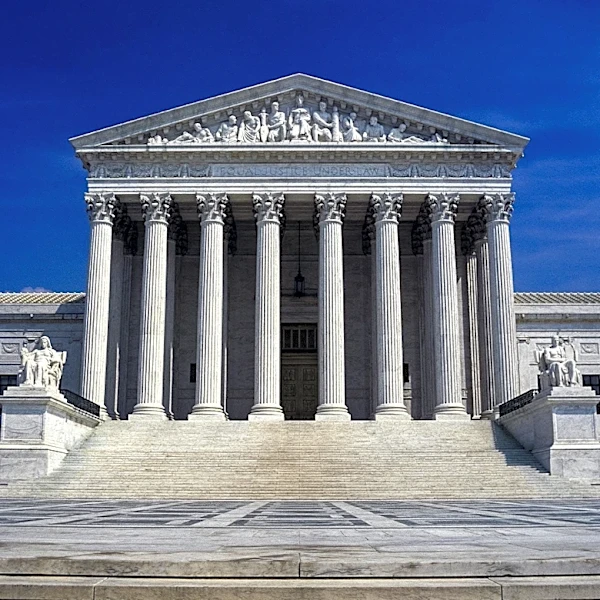
sparked legal challenges, with two small businesses filing a lawsuit arguing that the tariffs are a pretext to recreate a global tariff regime previously struck down by the Supreme Court. The lawsuit, filed in the U.S. Court of International Trade, claims that the use of Section 301 is an unlawful attempt to impose permanent duties.
Why It's Important?
The legal challenge to the new tariffs highlights the ongoing controversy surrounding President Trump's trade policies. The use of Section 301 in this manner is unprecedented and could face significant legal hurdles. If the courts rule against the administration, it could undermine the current tariff strategy and impact future trade policy decisions. The tariffs also have broader economic implications, potentially affecting U.S. businesses and consumers through increased costs and trade tensions with affected countries.
What's Next?
The legal proceedings will determine the future of these tariffs, with potential implications for U.S. trade policy and international relations. The Trump administration may continue to pursue other legal avenues to maintain its tariff regime, while affected countries could respond with retaliatory measures. The outcome of this legal battle will be closely watched by businesses, policymakers, and international stakeholders, as it could set a precedent for future trade actions.