







What's Happening?
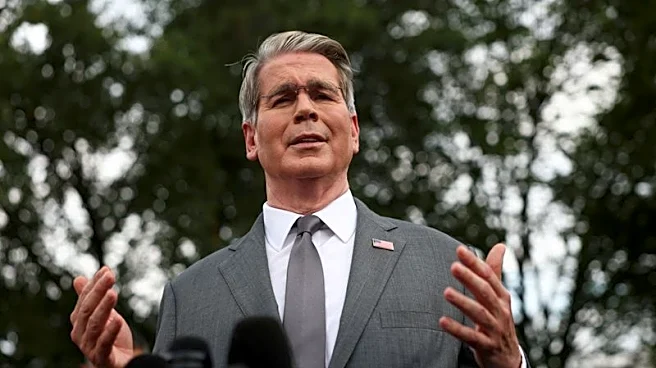
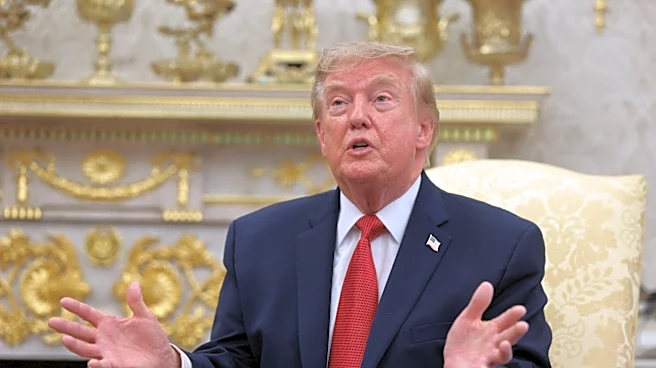
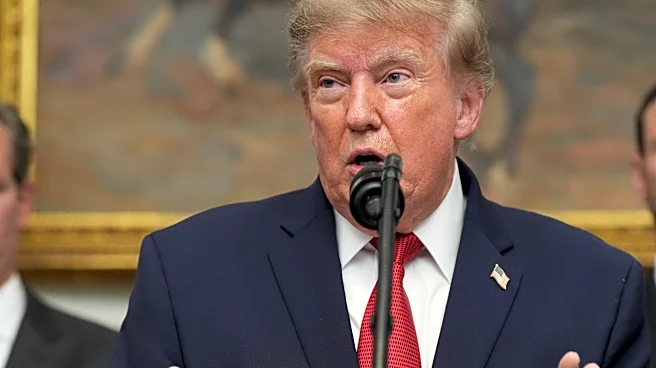
U.S. Treasury Secretary Scott Bessent, speaking from Beijing, China, on May 14th, 2026, addressed the U.S. stance on Iran. His comments follow President Trump's declaration of an "economic D-day" on Tehran, signaling an intent to impose the toughest financial
penalties in history to pressure the Iranian leadership. Bessent indicated that details regarding these measures would be provided soon. This move comes as the U.S. aims to compel Iran to agree to an end to a conflict that has significantly impacted global oil markets. Iran, in response, has vowed a "devastating" reaction to any new U.S. threats, with Maj. Gen. Ali Abdollahi of Iran’s Armed Forces stating that the Islamic Republic's response would be broad and decisive across various domains. Iranian Parliament Speaker Mohammad Bagher Ghalibaf accused the U.S. and Israel of resorting to economic and "cognitive" warfare, emphasizing the need to plan for dealing with unjust sanctions. The U.S. has already reimposed a naval blockade on Iran, which began reducing oil flows, and is now threatening further economic pressure.
Why It's Important?
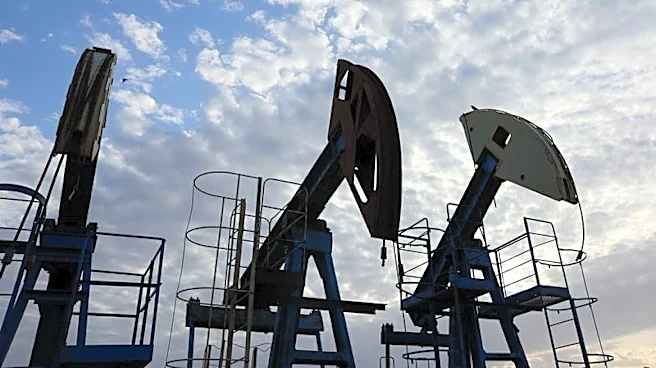
The U.S. threat of unprecedented economic sanctions against Iran carries significant implications for global energy markets and international relations. The previous U.S. naval blockade on Iran, reimposed on July 13, has already led to a decline in Iranian crude offers to Chinese buyers and a jump in oil prices. Further sanctions could exacerbate this volatility, potentially driving up fuel prices globally, which could impact U.S. consumers and the domestic economy. President Trump is reportedly under pressure at home due to high fuel prices affecting his approval ratings and potentially threatening his party's control of Congress in upcoming midterm elections. The situation also creates a dilemma for countries like China, which purchases over 80% of Iran’s shipped oil. While Bessent suggested that conversations about targeting China for doing business with Iran are best held privately, engaging in economic warfare with Beijing, a major U.S. exporter of vital rare-earth minerals, risks retaliation against Washington. China's embassy in Washington has called for political and diplomatic solutions, emphasizing that sanctions and pressure do not resolve problems.
What's Next?
The U.S. Treasury Secretary Scott Bessent is expected to provide further details on the new financial penalties against Iran. The effectiveness and scope of these sanctions will likely determine Iran's subsequent actions and the broader geopolitical response. Iran has already indicated its readiness for a "devastating" response, suggesting potential escalation in the region. The international community, particularly major oil importers like China, will be closely watching how these sanctions are implemented and whether they will face secondary sanctions for continuing trade with Iran. The U.S. administration will need to navigate the delicate balance of imposing pressure on Iran while minimizing adverse effects on global oil prices and avoiding economic retaliation from key trading partners. The ongoing conflict and the U.S. economic measures are likely to continue influencing oil market stability and international diplomatic efforts to de-escalate tensions in the Middle East.
Beyond the Headlines
The escalating economic pressure on Iran, coupled with its defiant stance, highlights a deeper struggle over regional influence and energy security. The U.S. strategy of an "economic D-day" aims to achieve regime change or significant policy shifts in Tehran, a long-standing objective that has historically proven challenging. The reliance on economic sanctions as a primary tool of foreign policy raises questions about their long-term efficacy and potential humanitarian consequences, especially given Iran's history of weathering continuous sanctions for nearly 50 years. Furthermore, the potential for the U.S. to target countries like China for their continued trade with Iran could trigger a broader economic confrontation, impacting global supply chains and trade relations beyond the immediate conflict. This situation underscores the complex interplay between economic leverage, geopolitical interests, and the pursuit of national security objectives, with potential for unintended consequences on a global scale.