





What's Happening?
Rep. John James, a Republican from Michigan, has come under scrutiny for his significant campaign donations from the oil and gas industry. Since his election to the U.S. House of Representatives in 2022, James has received $692,343 from the industry,
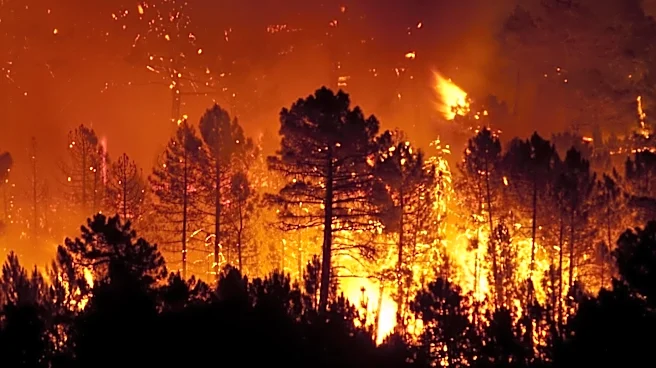
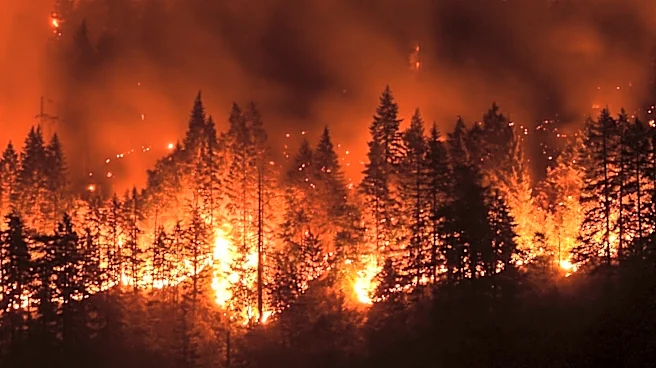
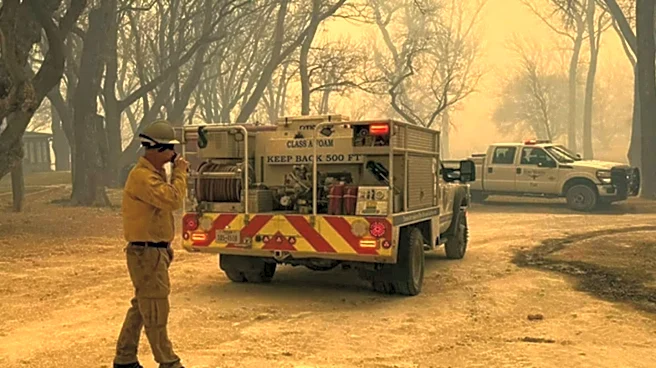
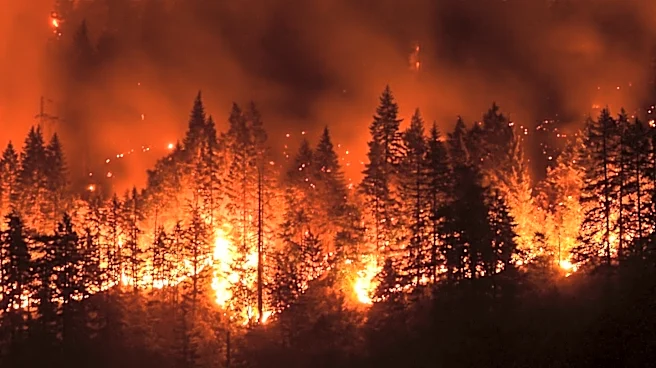
placing him among the top recipients in the 2024 election cycle. Recently, James led a group of Michigan Republicans in sending a letter to Canadian Prime Minister Mark Carney, blaming Canada for poor forest management that they claim exacerbates wildfires affecting the U.S. This stance has been criticized for ignoring the role of climate change, which is widely acknowledged by scientists as a factor intensifying wildfires, particularly in Canadian boreal forests.
Why It's Important?
The issue highlights the influence of fossil fuel money in American politics, which can shape public discourse and policy decisions. By focusing on Canadian forest management rather than climate change, James and other Republicans avoid addressing the fossil fuel industry's role in climate issues. This approach reflects a broader political strategy to sidestep climate change discussions, which could implicate the industry. The situation underscores the challenge of addressing climate change when political figures are financially tied to industries contributing to the problem.
What's Next?
As the 2024 election cycle progresses, scrutiny of campaign donations and their influence on policy positions is likely to intensify. Environmental groups and political opponents may continue to pressure lawmakers like James to address climate change more directly. The ongoing debate over the role of fossil fuels in climate change and its impact on policy will remain a contentious issue in U.S. politics.
Beyond the Headlines
The broader implications of this issue include the ethical considerations of political funding and the transparency of campaign donations. The influence of money in politics raises questions about the ability of elected officials to act in the public's best interest, particularly on critical issues like climate change. This situation also reflects a cultural divide in the U.S. regarding the acceptance of climate science and the political will to address environmental challenges.