







What's Happening?
Oregon is at a pivotal moment in its energy policy, with a clear roadmap outlined in the state's first-ever Oregon Energy Strategy. This strategy emphasizes scaling up affordable and reliable clean energy to meet growing demand, protect residents from
rising oil and gas prices, and create family-wage jobs. The strategy, commissioned by the Oregon Legislature, identifies clean energy as the most cost-effective way to power the state across various sectors. It highlights the potential for significant job creation, particularly in the construction trades, as the state aims to meet its 100% clean electricity by 2040 law.
Why It's Important?
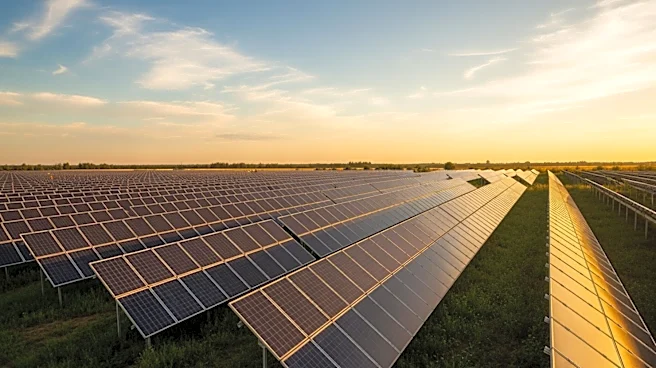
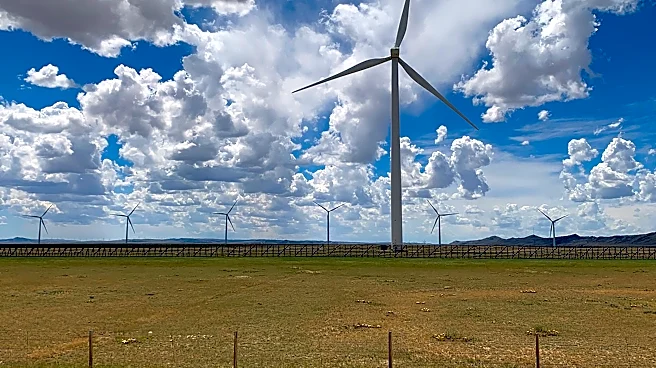
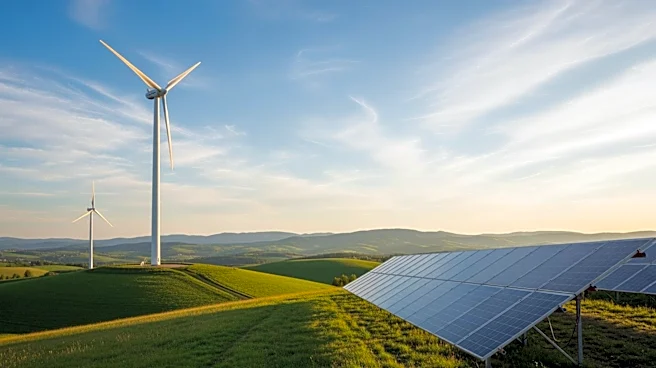
The transition to clean energy is critical for addressing climate change and ensuring economic stability in Oregon. By investing in renewable energy sources like solar and wind, the state can reduce its carbon footprint and mitigate the impacts of extreme weather events. The strategy also presents an opportunity to create thousands of jobs, particularly in rural and underserved communities, thereby boosting local economies. Embracing this transition is essential for maintaining energy reliability and affordability, as well as for meeting the state's long-term environmental goals.
What's Next?
Oregon's leaders are urged to implement the Energy Strategy's recommendations swiftly, including expediting clean energy project permitting and enhancing grid infrastructure. Governor Tina Kotek's executive order supports these efforts, emphasizing the need for strategic electrification of buildings and vehicles. The state must also focus on expanding workforce development programs to ensure a skilled labor force capable of supporting the clean energy transition. Delays in these initiatives could lead to higher costs and reliability risks, underscoring the importance of timely action.